

GAC-FCA used to produce and market Fiat and Jeep vehicles in China.
China is the single largest automotive market in the world and also the most competitive one where new tech becomes old overnight and prices must be slashed often to remain appealing. One of the many victims on the list are one of Stellantis’ joint ventures – GAC-FCA. This entity has been on the decline for many years but what exactly happened here and why is it making waves this month? Well, here’s a rough summary of what happened in the timeline.
Without going too far back into ancient history, let’s start at the formation of the company. In the late 2000s, European carmakers were enjoying massive success in China and Fiat wanted a slice of the action. 2010 marked the formation of a 50:50 joint venture between Guangzhou Automotive Group (GAC) and the Italian carmaker. This entity was initially known as GAC Fiat. The initial investment was 17 billion yuan, roughly 2.5 billion USD in 2010 terms.
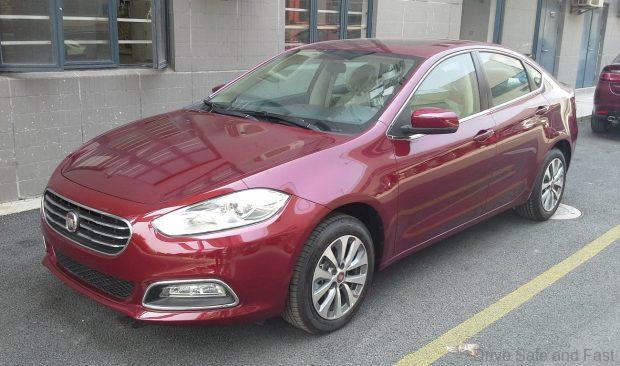
Two years later in 2012, the Changsha plant was completed and production of the Fiat Viaggio began. This was a China-exclusive model based on the bones of the Dodge Dart of that era. In its first year, just under 10,000 units were sold and Fiat added the Freemont and Bravo to their list of Chinese-made and marketed vehicles. The Freemont was a 7-seater SUV and the Bravo was a compact hatchback.
Fast forward a few years and things were starting to pick up for the joint venture. It was renamed ‘GAC Fiat Chrysler Automobiles’ or (GAC-FCA) to accommodate more brands from the range. By the end of 2015, a Chinese-produced Jeep was sold in the country. In 2016, GAC-FCA sold 146,400 which was amassive 270% increase over their 2015 numbers. 2017 was another year of success for the brand with 205,200 units sold – another 57% year-on-year increase. This made GAC-FCA the fastest growing JV automaker that year.
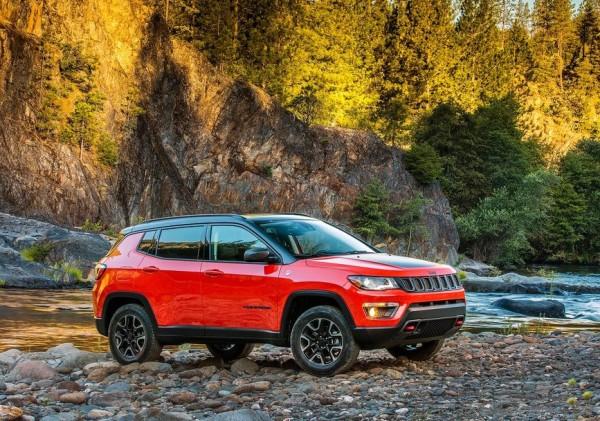
While it’s not clear why exactly the decline started, few can deny that Trump-era trade barriers and increasing competition certain played a part. In 2018, the good times were over for GAC-FCA. Sales dropped by 39%, to 125,100 units and they never found a way to turn the tide. From 2019 to 2021, things just got worse, from under 74,000 units sold in 2020 to just 20,100 units sold in 2021. It was around this time that Stellantis was formed – with FCA combining with PSA. Together, Stellantis and GAC injected an additional 4 billion yuan into the company. But it was too little too late.
In early 2022, Stellantis attempted to increase its take in the joint venture to 75% but this did not go through. Halfway through the year, both Stellantis and JAC decided that this whole operation was not working out as planned and decided to terminate the joint venture. By the October 2022, Stellantis confirmed GAC-FCA was done.
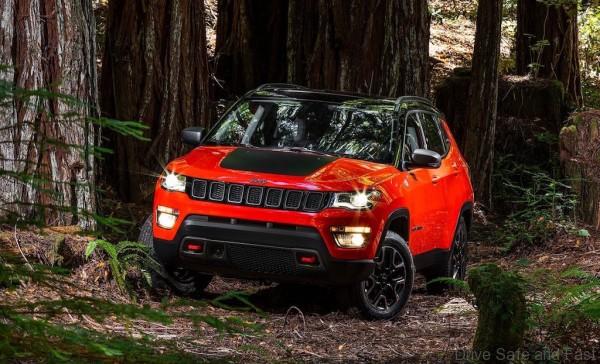
Finally in July 2025, GAC-FCA finally announced its inability to reorganise, and so its administrators filed for bankruptcy with the Changsha Intermediate People’s Court in Hunan Province. This is why GAC-FCA is back in the news today – the operation itself was over years ago but now it’s legally over. While the FCA half of Stellantis failed to make a major impact in China, the PSA half of Stellantis still has its JV going strong with Dongfeng though their sales numbers have also suffered in recent years.

