


Mitsubishi Motors went from supplying much of China’s powertrain needs to completely exiting the market.
Mitsubishi Motors has officially ended its presence in China, the world’s largest and most competitive automotive market. The Japanese brand terminated its joint venture with Shenyang Aerospace Mitsubishi, bringing an end to engine production that once powered millions of Chinese vehicles. This follows Mitsubishi’s earlier decision to halt local car manufacturing in 2023, closing a chapter that began over five decades ago.

A Legacy That Shaped China’s Automotive Industry
Mitsubishi entered China in 1973 with medium-duty truck exports and later became instrumental in developing the country’s internal combustion engine (ICE) era. Through joint ventures like Shenyang Aerospace Mitsubishi and GAC Mitsubishi, Mitsubishi supplied engines that powered up to 30% of locally produced vehicles in the early 2000s. Many early Chinese models, including familiar names like the Chery Eastar, ran on Mitsubishi engines in some markets —a testament to the brand’s influence.

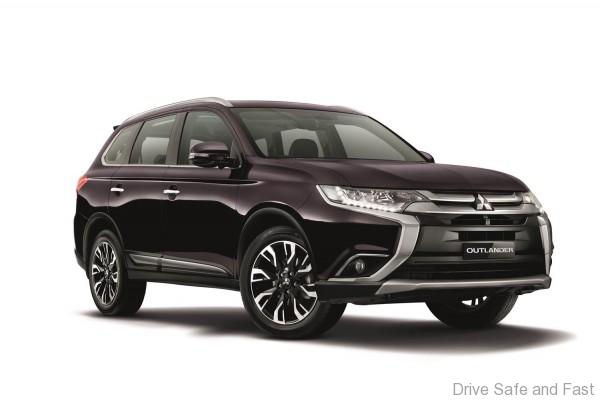
The 2012 GAC Mitsubishi venture marked another high point, peaking at 144,000 units in 2018 thanks to the Outlander SUV’s success. However, the rise of domestic EV giants like BYD and the aggressive push toward electrification eroded Mitsubishi’s position. Sales plunged to just 33,600 units by 2022, forcing a strategic retreat. GAC later took full control, repurposing Mitsubishi’s Changsha plant for Aion EV production.
Mitsubishi Motors remains quite active in South East Asia, but it currently is part of the Renault Nissan Mitsubishi Alliance which is struggling to find its footing. Nissan, who owns about 24% of Mitsubishi Motors, is on the verge of financial trouble unless its turnaround plan can be executed.

Mitsubishi’s exit from China is a symbolic moment – they went from powering so many Chinese vehicles just 2 decades ago to being unable to compete in the market as the country moved on towards EVs and other electrified powertrains.

