


The Chery Tiggo Cross presents exceptional features and build quality at under 6 figures.
Chery Malaysia has been predominantly focused on offering very competitively priced and very high-value alternatives to the Proton’s Geely-derived SUVs since their inception. Now, they’re turning their attention towards a different crowd – those upgrading from smaller Malaysian cars. Say you’re upgrading from a Perodua Ativa or Myvi or maybe a Proton Saga or Iriz, but you don’t want to get into something too large. Chances are you’ll have just one or two options below RM100,000. These options, to be honest, may not feel a huge step forward. Well, that changes with the introduction of the Chery Tiggo Cross.
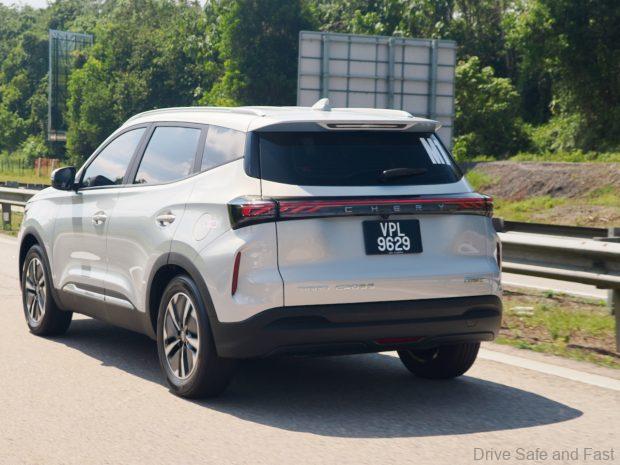
This is technically a crossover that fits between the A-segment (think Perodua Ativa and Honda WR-V) and the B-segment (think Proton X50 and Honda HR-V). In terms of powertrain options, you have a turbocharged petrol engine that’s powerful for its class and a petrol hybrid that’s extremely fuel-efficient. This gives Malaysians the option of a sub-RM100K hybrid for the first time in many years. The 2017 City and Jazz Hybrids with i-DCD powertrains were sub-RM90K, but the follow-up e:HEV models have six-figure price tags.
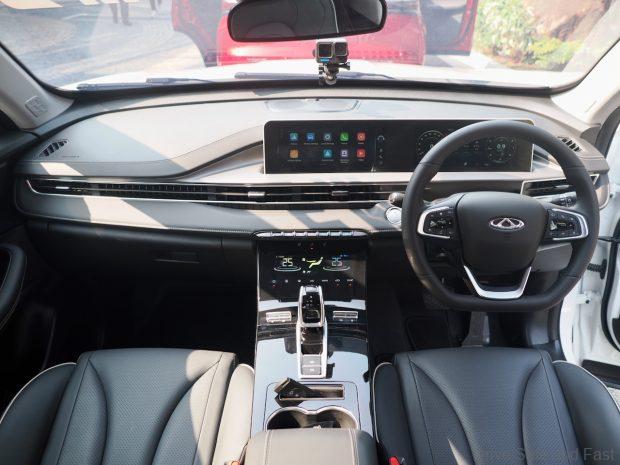
The other thing the Chery Tiggo Cross achieves that’s unrivalled in the segment is perceived quality. This is going to be what sets it apart from the pack. This segment of cars is typically ignored by the premium brands. The mainstream brands usually nail the design but cheap out on the interior with hard plastics, cheap-feeling leather, poor ergonomics, and cutting back on even the bare essentials. That’s not what we found with the Chery Tiggo Cross.
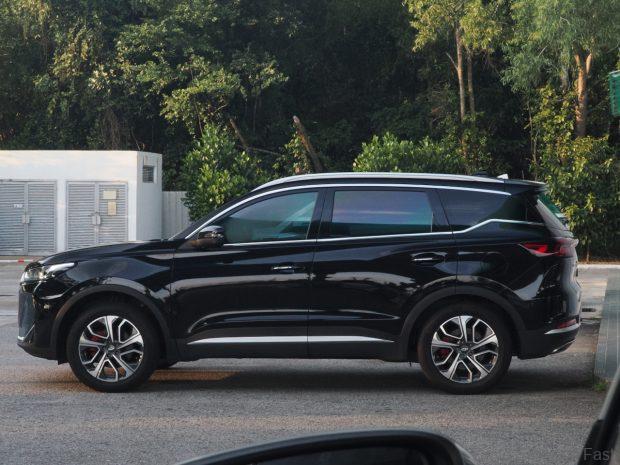
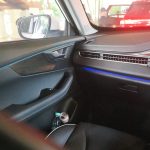
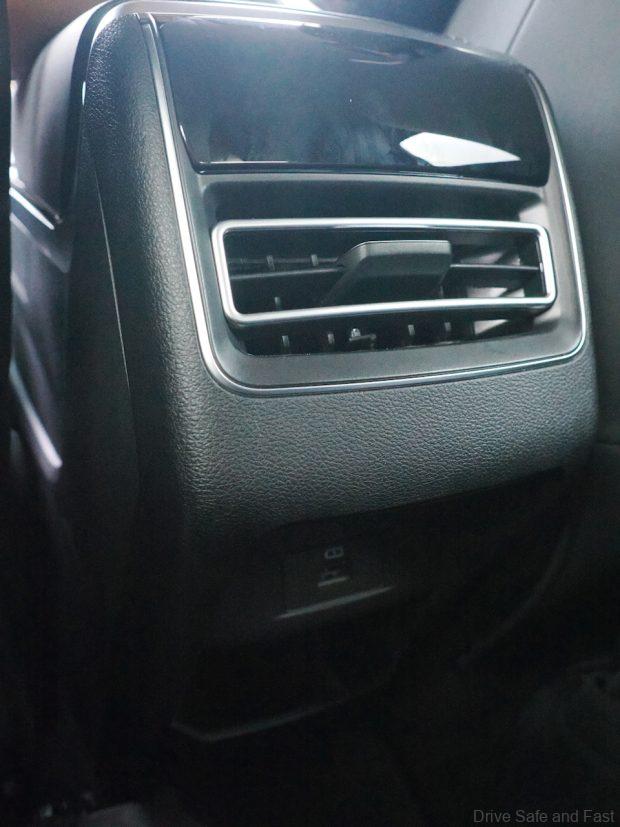
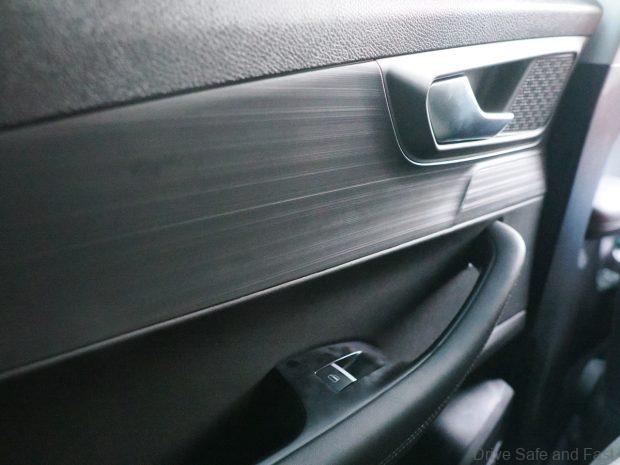
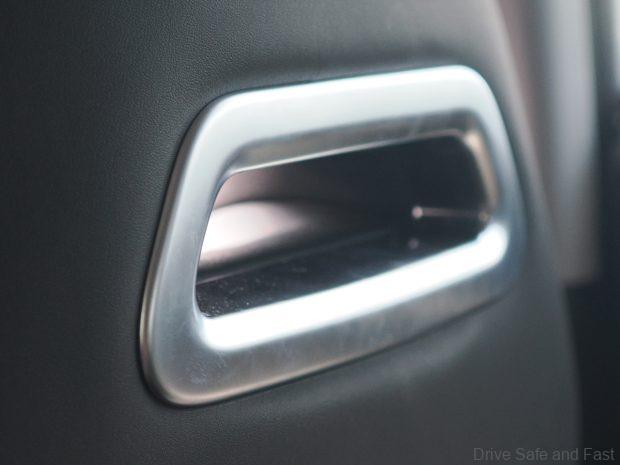
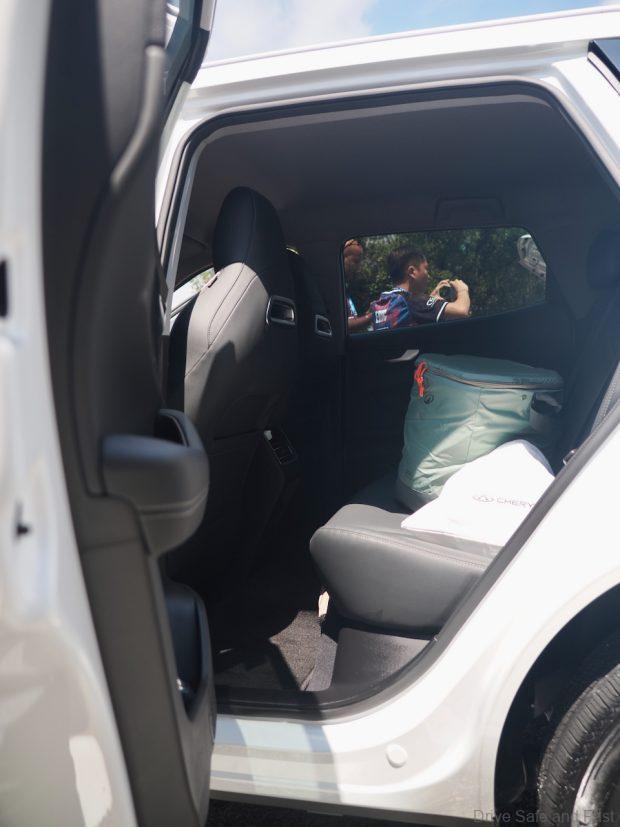
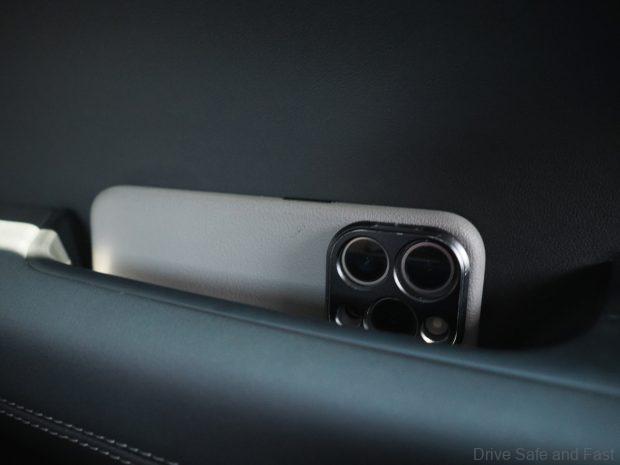
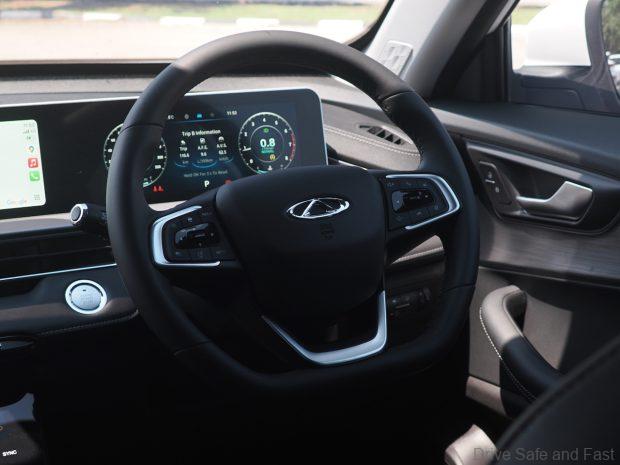
From the back seat, we were surprised to find a centre armrest, a USB port, a centre blower, and large storage bins on the door card, which was covered in leather with real stitching too. The front seat belts featured height adjustment, the front seats were powered (with lumbar support on the Hybrid model), and the steering column had tilt AND telescoping adjustment, plus all four windows were auto up and down.
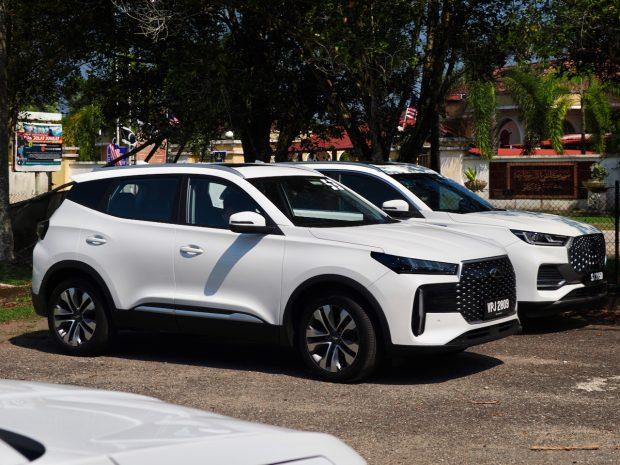
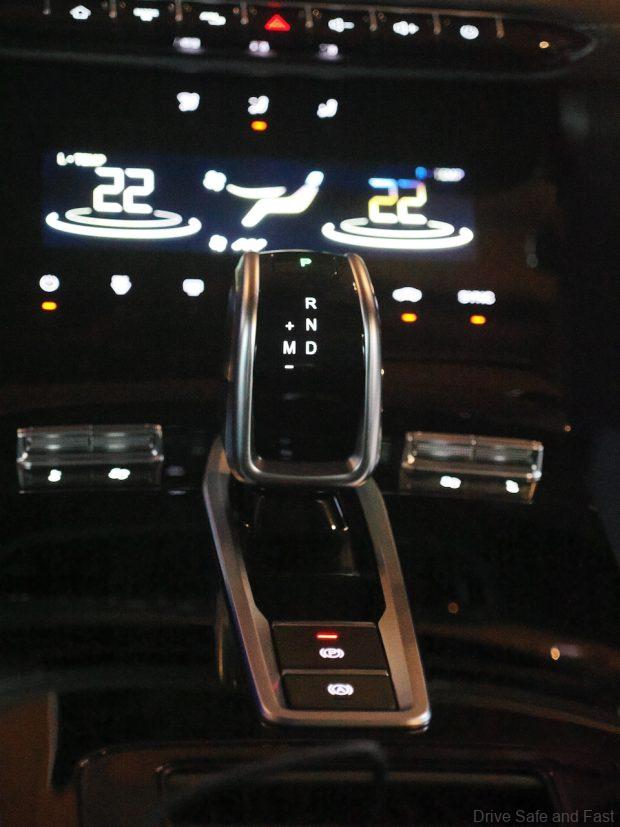
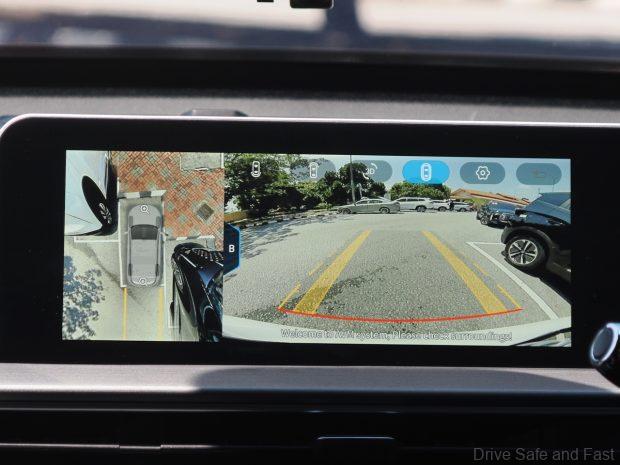
These are the bare basics that are often omitted in the A-segment, but Chery gives it to you as standard. Things we did not expect to see were a wireless charging pad, USB-A AND USB-C ports, auto dual-zone climate control (though it’s not quite as independent in operation as most dual-zone units), seatbelt height adjustment, semi-bucket front seats, flat-bottom steering wheel, Blind Spot Monitor, and Apple Carplay (wireless) + Android Auto. As if that’s not enough, Chery also gives you auto brake hold, a 540-degree parking camera. The Hybrid version even throws in Door Opening Warning for the rear passengers, which lights up a warning when the car is stopped and another vehicle is passing.
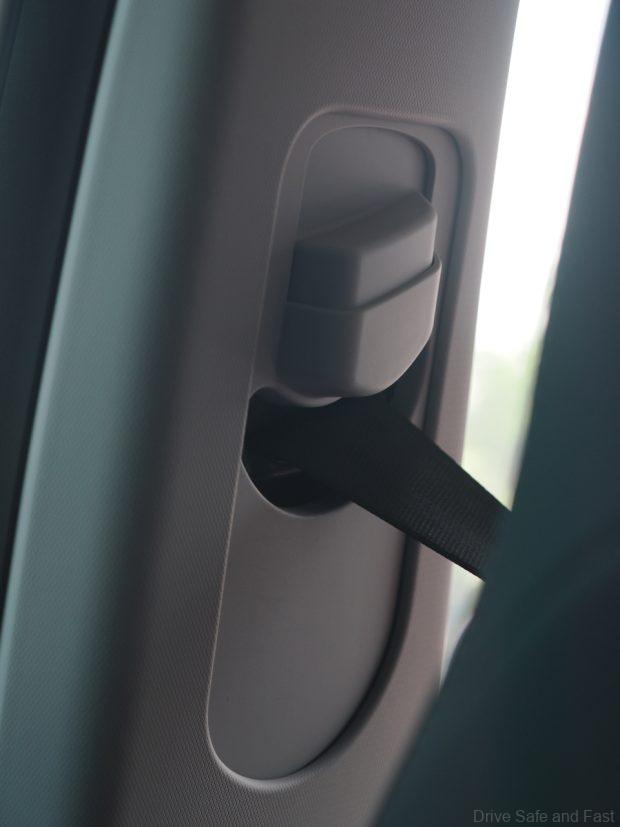
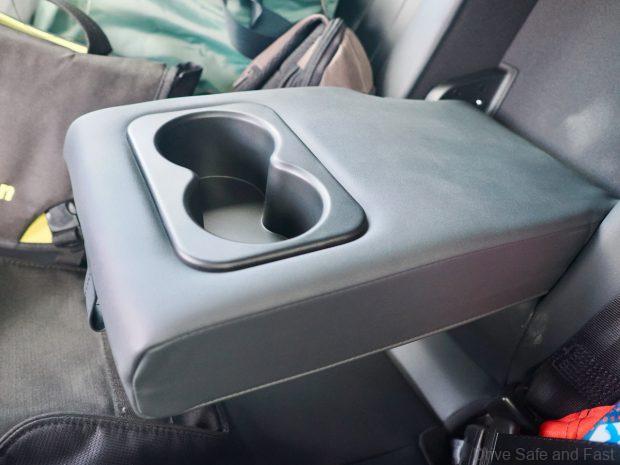
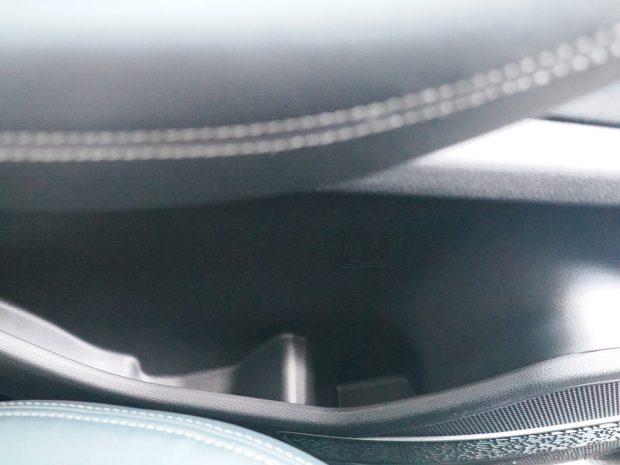
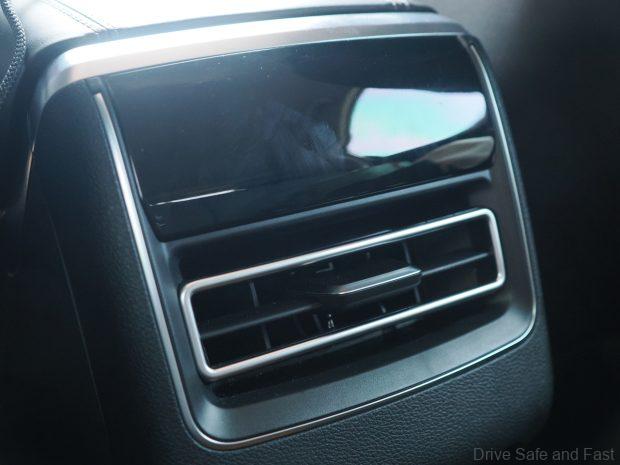
Honestly, it’s such a well-featured and high-quality small car that we’d be tempted to recommend it even before getting behind the wheel. But that would be irresponsible. So over the last two days, we got to know both variants, taking a drive to Terengganu in the turbocharged version and coming back in the hybrid version.
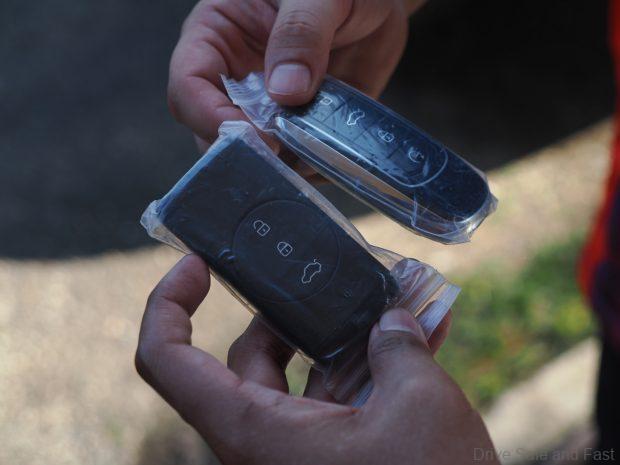
The petrol version’s strengths are that it offers good and usable power at highway speed and is pretty relentless up to extremely high speeds. It’s not as quick as some of the rival 1.5L 4-cylinder turbos, but in the A-segment crossover space, it’s so much more powerful than its peers. More importantly, it’s quieter and smoother too on the highway, in terms of engine noise and vibration. There is a bit of road noise, but this could be down to the choice of tyre.
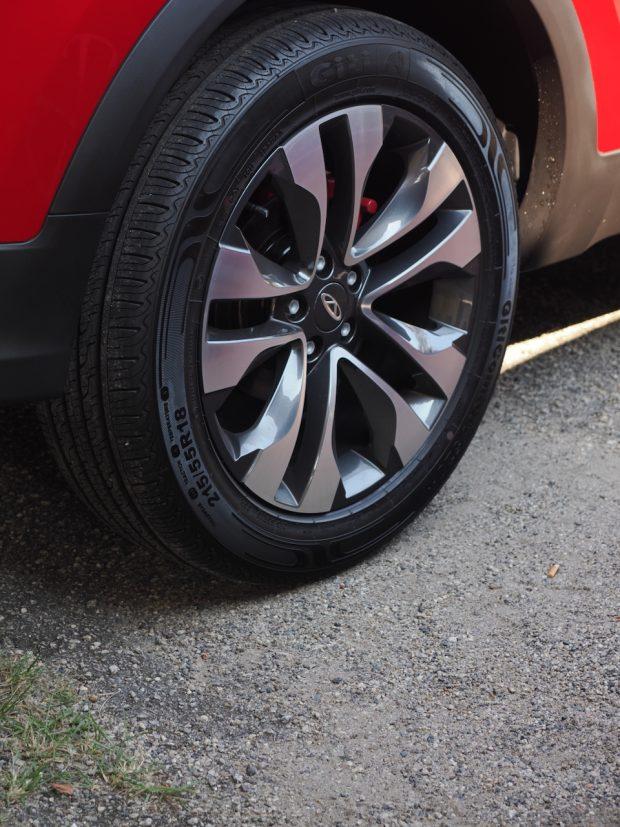
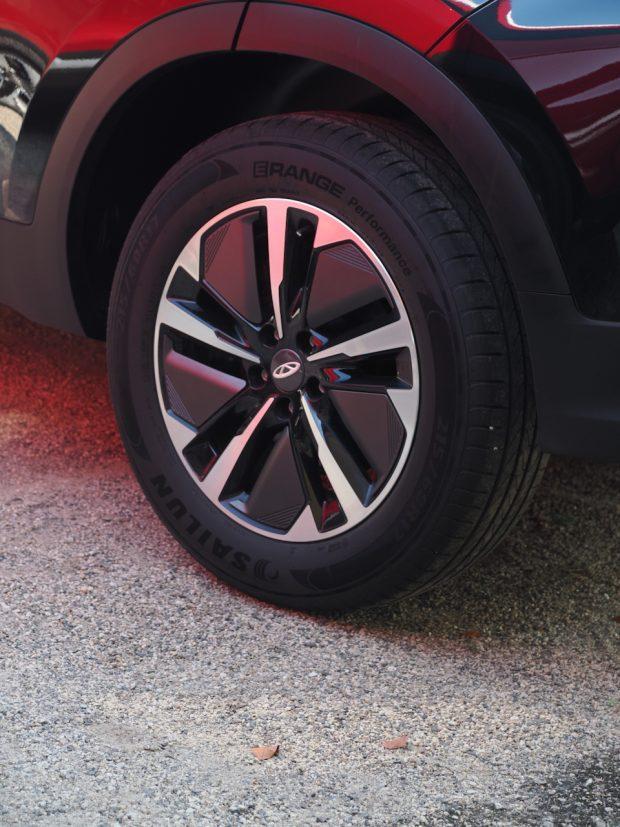
The petrol model comes with 18” alloy wheels wrapped in Giti GitiComfort F22 tyres while the hybrid gets 17” alloys with Sailun ERange Performance tyres. The only two weaknesses we could find in the turbo model were the low-speed character of the 6-speed DCT. This seems to be a theme amongst most Chinese ICE vehicles – the clutch action seems a bit hesitant, which can make merging from T-junctions a little tough to judge.
Otherwise, the powertrain is perfectly competent and downright impressive to be honest at this price point. The other complaint one might bring up is the steering feel – there’s just a complete lack of resistance or feedback. Power steering on the car feels like it’s dialled up to 11 – there are Logitech steering wheel units that offer a more ‘real’ feel. Even in sport mode or when the steering response is custom set to ‘Sport’, it feels resistance-free. This same complaint goes for the Hybrid model.
However, the Hybrid model’s main weakness is that the petrol engine’s start-up is perceivable when at a standstill. It’s almost seamless the moment you start moving, which is really impressive. It’s insane that the Japanese had such a massive headstart on hybrid technology but just could not deliver this level of refinement at this price. We did an EXTREME fuel efficiency run on the way back to KL yesterday and managed to reach Bamboo Hills from Tanjung Jara with about ¾ of the fuel tank still full. The average fuel efficiency reading for the last 50km was 3.7 L/100km and that involved climbing and descending the Karak Highway.

I don’t think most of us realise just how many Malaysians are interested in compact vehicles. If you really break down the annual sales numbers, well over half, and likely close to three-quarters of all new cars sold are A-segment and B-segment vehicles. That’s an insanely high number.
Add to that the fact that about half of all new car sales in Malaysia go to Perodua and what you have is a large population of car buyers who haven’t known transportation beyond just the bare necessities. That’s why the Chery Tiggo Cross is really interesting in this market. It presents an opportunity for many Malaysians to finally experience an A-segment vehicle with features and powertrain technology usually reserved for more expensive and larger classes of car. We’ll reserve further thoughts for when we have the cars for a longer test drive, but our first impressions are certainly very positive.
2025 Chery Tiggo Cross Turbo Specifications
Engine: Inline-4, 16-Valve, DOHC, Turbocharged Petrol
Capacity: 1498cc
Gearbox: 6-speed Dual Clutch Automatic
Max power: 145hp
Max torque: 210Nm
Price: RM88,800
2025 Chery Tiggo Cross Hybrid Specifications
Engine: Inline-4, 16-Valve, DOHC, Petrol
Capacity: 1498cc
Gearbox: eCVT Automatic
Max power: 94hp (204PS e motor)
Max torque: 120Nm (310Nm e motor)
Price: RM99,800

