


Toyota GR86 Sales Performance Analysis: 2021–2025
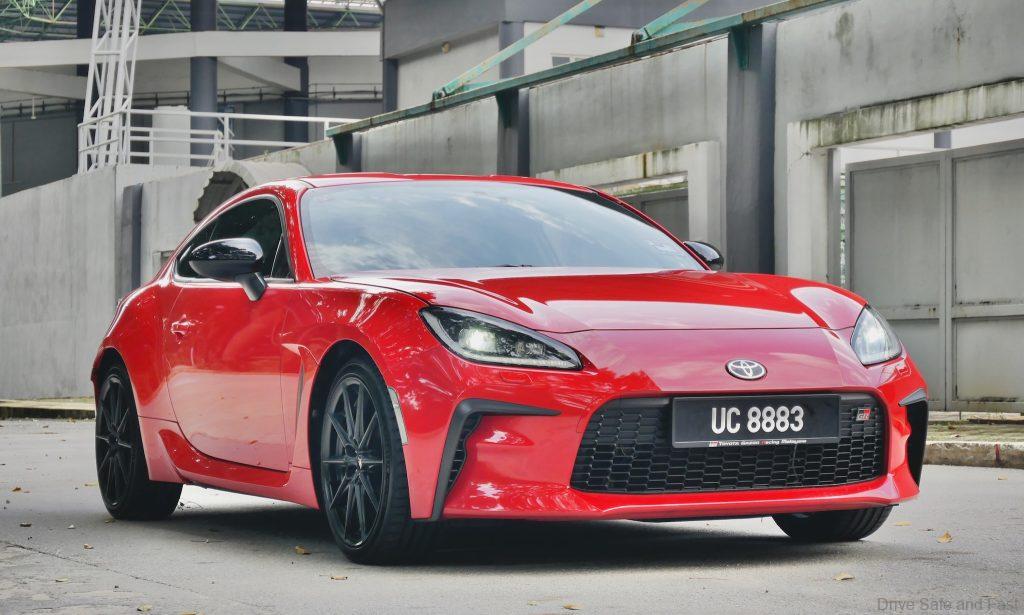
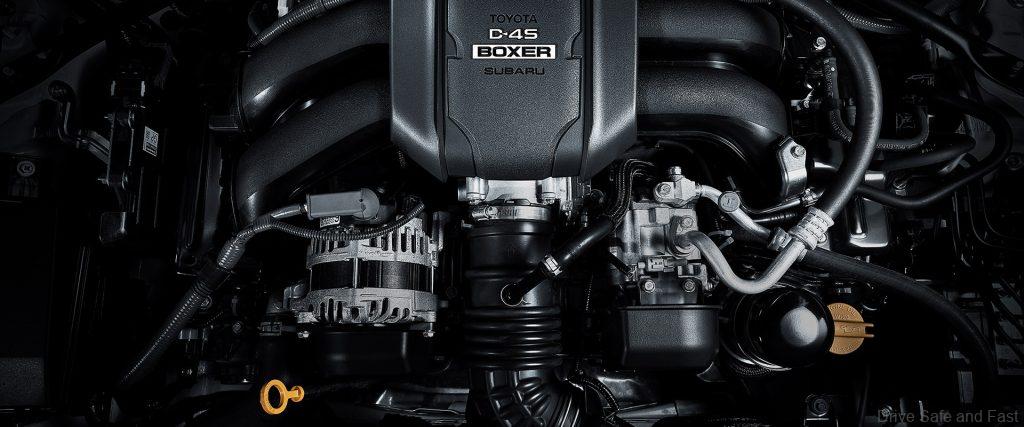
The Toyota GR86, launched in its second-generation form in 2021, is a compact, rear-wheel-drive sports coupe co-developed with Subaru, whose twin model is the Subaru BRZ. Both share a 2.4-litre naturally aspirated flat-four engine and a lightweight chassis focused on driving purity. This new engine was designed to solve the torque dip criticism present in the 1st generation model’s 2.0L boxer. In Malaysia, the GR86 is officially offered in limited numbers via UMW Toyota, appealing to enthusiasts who value analogue driving thrills in a market dominated by SUVs and crossovers. Let’s check out how this 2nd generation has performed so far based on facts and figures we’ve compiled from the internet.

According to Carindustryanalysis (Instagram), the GR86 was sold in 25,700 units globally in 2024 — a 6% drop from 2023. Its top five markets were the USA (11,426 units), Japan (8,801), Russia (1,387), Canada (791), and Australia (614). The US market grew by 3% year-on-year, while Japan saw a 10% decline.
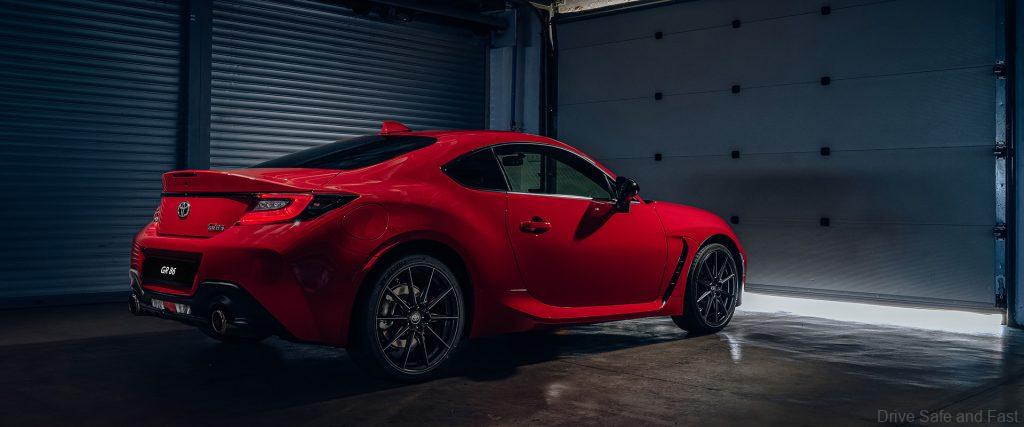
US sales figures from carfigures.com show steady demand. Toyota sold 11,426 GR86 units in 2024, up from 11,078 in 2023, and but down from 12,000 in 2022. As of January–July 2025, US deliveries reached 4,618 units, with 851 units sold in May 2025 alone. Cumulatively, from 2021 to 2024, Toyota has sold 34,613 GR86s in the US, with 2021’s figure low due to a late launch.
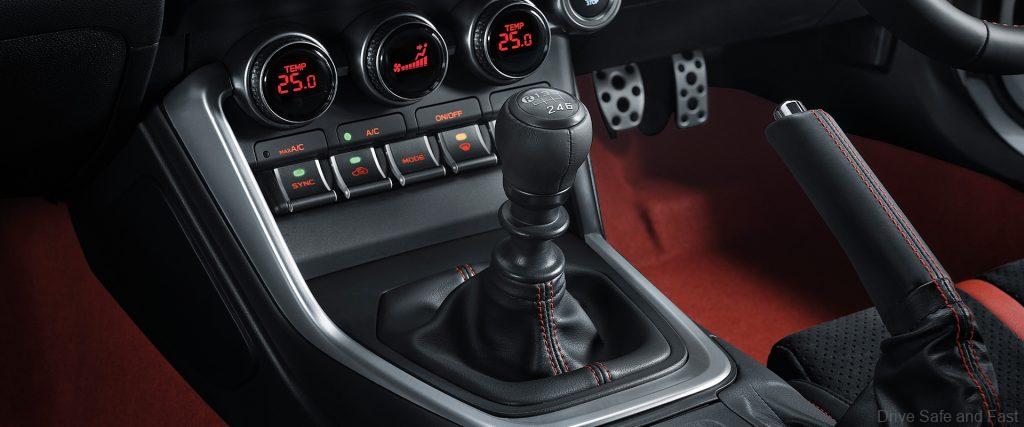
Transmission preferences are a key point of difference between the GR86 and BRZ. Motor1 reports that in 2024, 53% of GR86 buyers in the US opted for manual transmissions (6,056 units), while 47% chose automatics (5,370 units). By comparison, the BRZ saw a much higher manual take rate at 77.8%. Combined, both models sold 8,659 manuals versus 6,112 automatics, highlighting the enduring appeal of manual sports cars among enthusiasts.
Despite small year-on-year fluctuations, the GR86 remains a steady seller in its niche, especially in North America. The model’s ability to retain strong manual transmission demand underscores its role as one of the last affordable, driver-focused coupes in the market.
While global sports car sales are under pressure from shifting consumer preferences towards crossovers and EVs, Toyota’s persistence with the GR86 reflects its commitment to driving engagement and brand heritage. For a company of Toyota’s size, maintaining a model like the GR86 not only strengthens its enthusiast credentials but also draws attention to its broader lineup. In a market where pure driver’s cars are becoming rare, the GR86 serves as both a passion project and a brand image booster, however there are some valid criticisms to take note of.
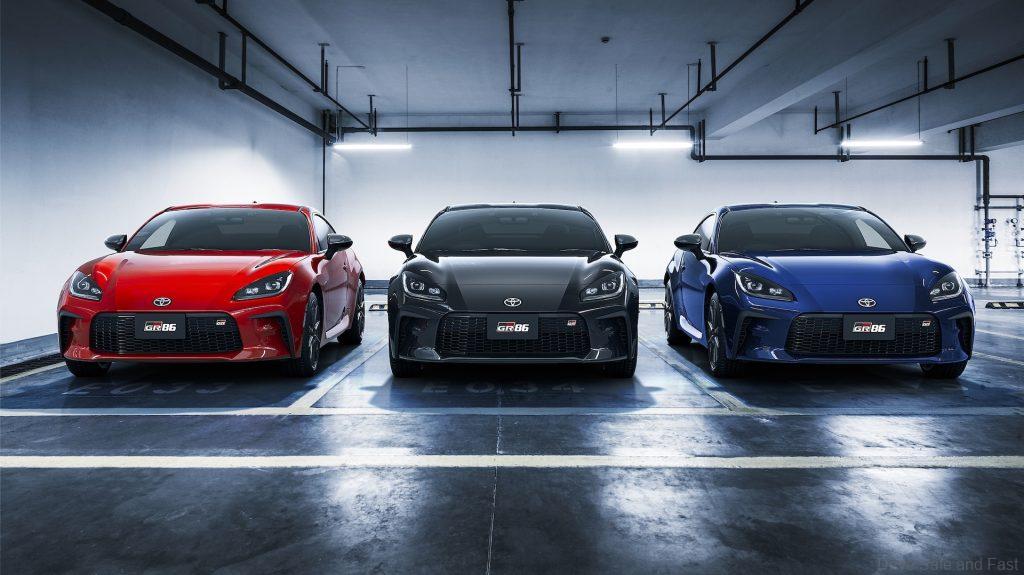
In the past, sports cars were seen as a way for a car company to show its engineering prowess and find a way to extract some consumer value out of their investment in motorsport. Toyota has extensive motorsport experience and has (and continues to build) sports cars on its own. However, the GR86 and the Supra both co-developed with other car companies at their facilities, making Toyota’s involvement seem distant at the very least. Given how important these nameplates are to the Toyota brand, it seems odd to some enthusiasts that they’ve outsourced some of the key engineering on these models. Sure, the GR Yaris and GR Corolla are fully in-house Toyotas, but these are new nameplates that don’t have the burden of legacy on them.

