


Chery Auto group launched its iCAR V27 flagship SUV on 1 August in Dubai, rebranding the model as ‘iCAUR’ to avoid trademark conflicts with Apple’s existing ‘iCar’ rights outside China.
The software-forward five-metre SUV features a range-extended electric powertrain combining a 1.5-litre turbocharged engine with electric motors, offering rear-wheel and all-wheel drive configurations with the latter producing 335 kW and a possible 200 kilometres of electric-only driving range.
Design: The vehicle features a rugged, off-road design, including a boxy silhouette, prominent wheel arches, and a high ground clearance. It has a side-hinged tailgate with an externally mounted storage box, reminiscent of traditional off-roaders.
Dimensions: At nearly 5 metres long, the V27 is the largest vehicle in the iCar lineup. Its size is comparable to the Mercedes-Benz G-Class or Land Rover Defender 110.
Technology: In collaboration with Xiaomi, iCar has equipped the V27 with advanced technology, including a LiDAR system from Hesai for intelligent off-road features and advanced driver-assistance systems.


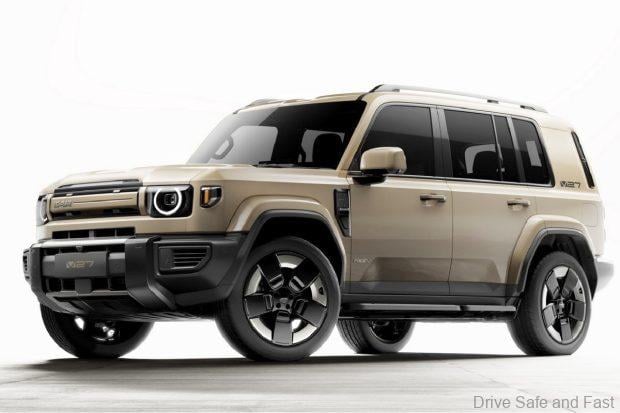

The naming choice for Chery’s new sub-brand, iCar in China and iCAUR for export, reveals an interesting aspect of intellectual property on the global automotive stage. Chery initially launched its iCar brand in China to offer electric and hybrid crossovers, including the iCar 03 and iCar V23.
However, the company faced legal challenges when attempting to use the name “iCar” internationally, as Apple had previously registered trademarks for the term, anticipating its entry into the automotive industry.
To circumvent these legal complexities and ensure a smooth global launch, Chery strategically opted for the name “iCAUR” for its export models.
This subtle alteration allows the company to maintain brand consistency within its Chinese operations while legally distinguishing its international products.
Such a move is crucial for global market acceptance and prevents potential lawsuits that could hinder brand expansion. This highlights the competitive nature of brand naming, especially in high-tech industries, where a simple letter change can make a significant difference.

