


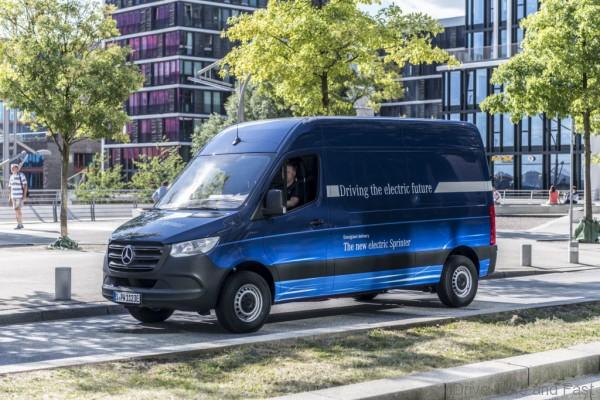
The Mercedes-Benz e-Sprinter will be made in Poland and no longer in Germany soon.
Mercedes-Benz has announced plans to relocate production of its specialized vans and electric vehicles from Germany to Poland, a move that underscores the rising pressure of high labor costs in Europe’s largest economy.
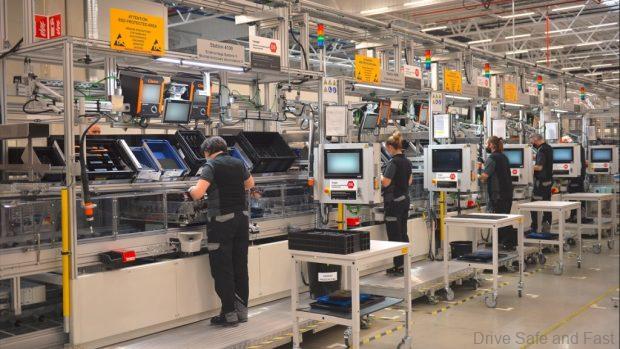
According to a Polish broadcaster, the German luxury automaker will close its Ludwigsfelde plant near Berlin by the end of 2029. The factory currently employs more than 2,200 workers and produces around 60,000 vehicles annually, including the e-Sprinter, the electric version of its highly popular delivery van.
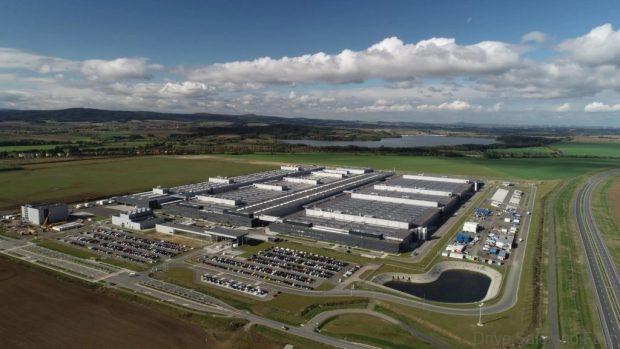
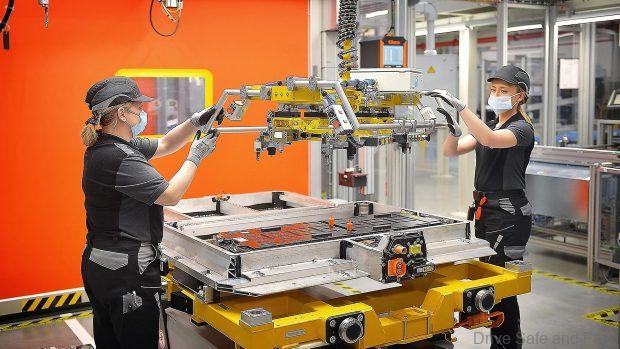
The production shift will see operations move to Jawor, southwestern Poland, where Mercedes-Benz already operates a facility that has manufactured engines and hybrid car batteries since 2019. A new plant will be constructed at the site to handle the increased demand for electric vans. Reports indicate that labor costs in Poland are roughly one-fifth of those in Germany, providing the company with significant cost savings as it transitions more aggressively into electric mobility.
The decision has sparked fierce criticism from German trade unions and local officials, who warn of the economic fallout for the Ludwigsfelde region. Protests are expected as workers face uncertainty about their future. For Mercedes-Benz, however, the move reflects broader trends in the global automotive industry, where manufacturers are seeking lower production costs while accelerating their electric vehicle strategies.
The e-Sprinter is central to Mercedes-Benz’s commercial EV ambitions, as demand for zero-emission delivery solutions grows worldwide. By producing in Poland, the company not only reduces overheads but also strengthens its presence in Eastern Europe, which has become an increasingly attractive hub for automotive investment. Other automakers, including Volkswagen and Stellantis, have also expanded operations in Central and Eastern Europe to take advantage of lower costs and skilled labor.
While the relocation may improve Mercedes-Benz’s competitiveness in the EV market, it highlights the tensions between cost efficiency and social responsibility. German unions argue that moving production abroad undermines local workers, while business analysts note that such shifts are often necessary for automakers to remain viable in the fast-changing electric era.
As the automotive industry undergoes a historic transition toward electrification, the fate of Ludwigsfelde’s 2,200 workers will remain a flashpoint in Germany’s ongoing debate about the balance between industrial competitiveness and job security.

