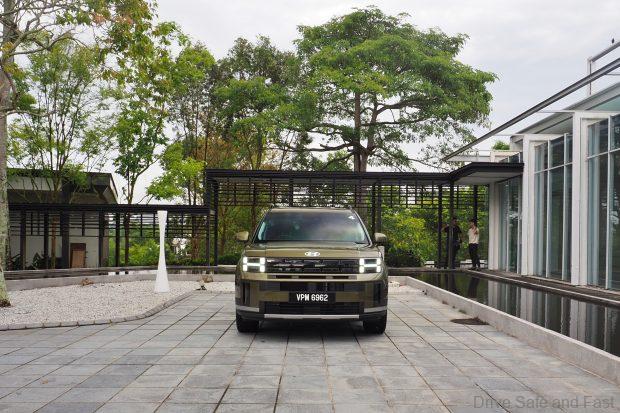


We drove the new Hyundai Santa Fe and Tucson with Hyundai Motor Malaysia playing host.
Over the last three days, we got a chance to experience Hyundai Motor Malaysia’s renewed SUV range. For those who aren’t aware, the South Korean giant officially introduced itself to our market, promising an extensive local assembly programme and a customer-centric brand experience. While the brand’s reintroduction to the market incudes a minor update to the Staria MPV, our first media experience with Hyundai did not include this vehicle. Instead our focus was on the new Tucson and the new Santa Fe.
Why Malaysia, why now?
Before we explore those two SUVs, it’s worth asking “why now?”. Malaysians are no strangers to the Hyundai brand, but what was it that prompted this shift from a distributorship model via Sime Motors to a more direct approach? Well, from what we can gather, Hyundai Motor has been progressively stepping into South East Asian markets over the last decade or so.
It’s worth remembering that Hyundai Motor is quite a young company as far as car brands go, and that South East Asia, even with its combined industry volume, makes up a rather small fraction of global sales and it’s mostly low-margin products that sell here. For a fledgling company in the 1980s to 2000s, Hyundai Motor had to pick its battles on the global stage. It’s a strategy that paid off. Today, it’s part of the third largest automotive conglomerate by volume and 2nd in terms of operating profit. It’s also frequently ranked amongst the most innovative car companies. We’re also on the verge of a once-in-a-generation shift from internal combustion engine (ICE) powered vehicles to New Energy Vehicles (NEVs)
So why Malaysia, and why now? Well, because they’ve expanded as much as they can in other larger markets, and now it’s time to grow as much as possible in ours.
The New Lineup
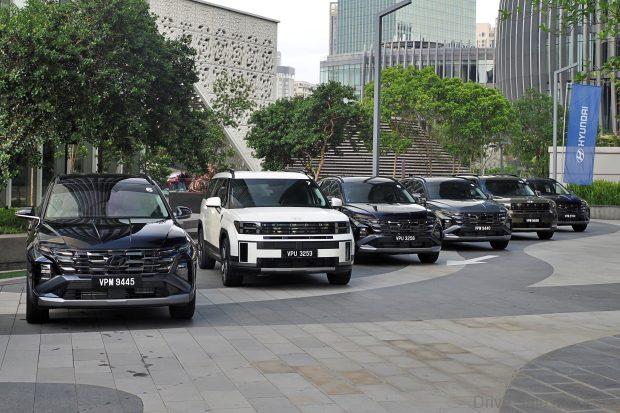
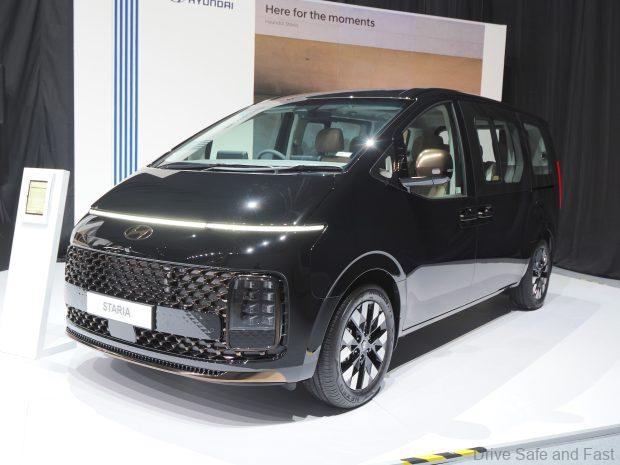
Hyundai Motor Malaysia debuted with 3 models, each with a number of variants to choose from. The Staria diesel MPV returns as the bread and butter product of Hyundai in the country. The changes are minor and its niche in the country is cemented, with the biggest headline ‘feature’ for this product being a significant price cut for the 7-seater variant, which will be locally-assembled shortly. As mentioned earlier, this model was not part of the test drive.
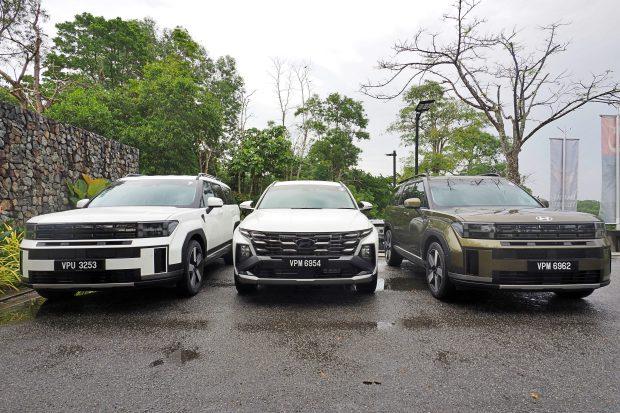
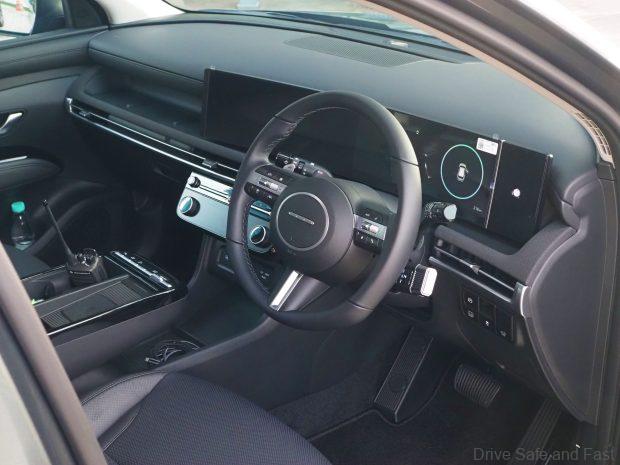
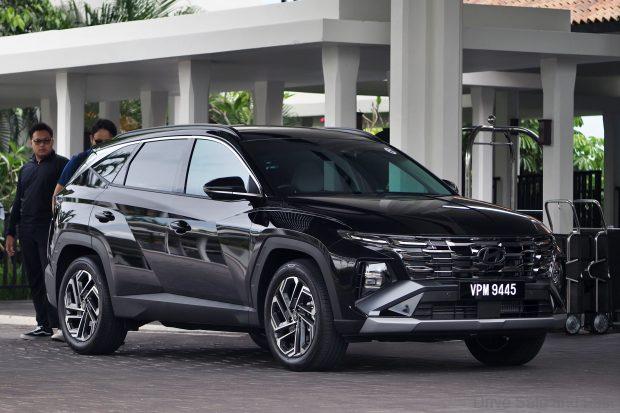
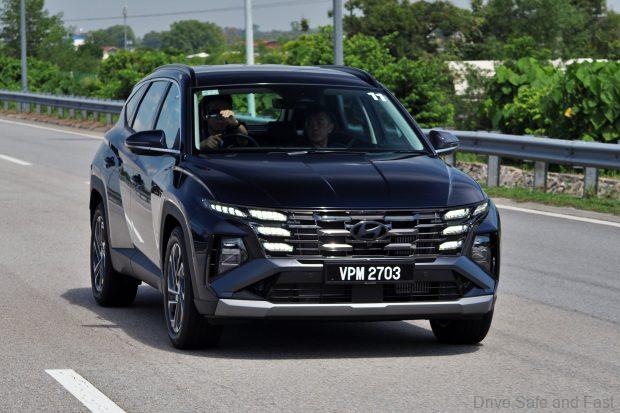
The facelifted Tucson is the one most Malaysians should have an eye on as it finally provides a viable ‘mainstream’ alternative to established Japanese SUVs such as the Mazda CX-5 and Honda CR-V. In fact, the Tucson’s update brings it closer than ever to the reigning non-national option while offering a significantly longer manufacturer warranty and a more complete equipment list on the all-wheel drive turbo model.
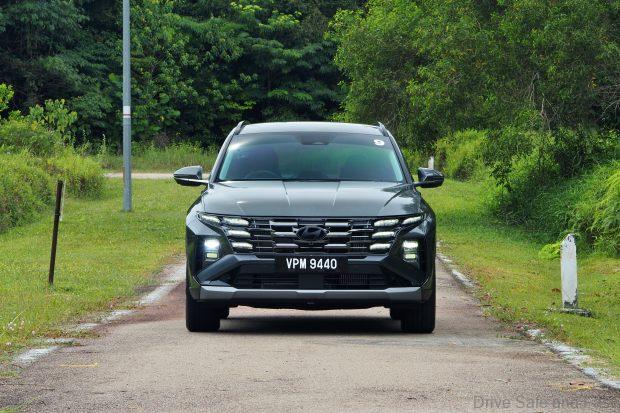
This allows Hyundai to position its flagship hybrid model as an option rather than the only way to access the best the brand has to offer. Contrast this against Honda Malaysia’s approach, where the top-spec turbo model feels like a significant downgrade over the pricey full-spec hybrid RS variant.
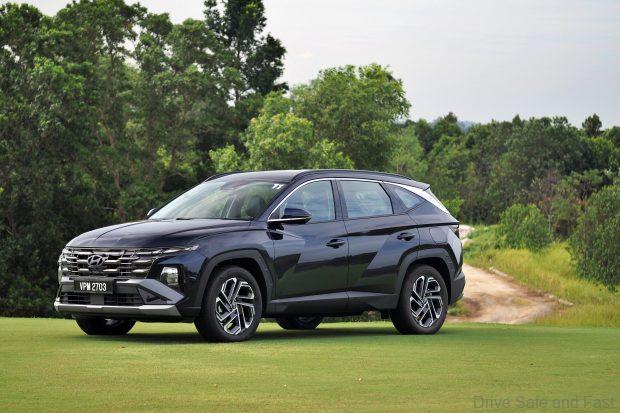
The Hyundai Tucson poses a threat to the mainstream Japanese offerings for sure, but the South Korean company has an uphill battle ahead of it if it really aims to make a dent in Honda’s sales.
This is partially because Hyundai’s brand value is no where near as high as Honda’s in Malaysia, but also because it has no significant pricing advantage unlike some of the new Chinese players.
So the average conservative SUV buyer may not even think of Hyundai when shopping for their next vehicle. Even those considering a Tucson will have to reconsider when Honda’s seasonal promos kick in and any value advantage on Hyundai’s side disappears.
On the positive side, the Hyundai Tucson facelift now brings the product up to an aggressive and viable position to compete directly.
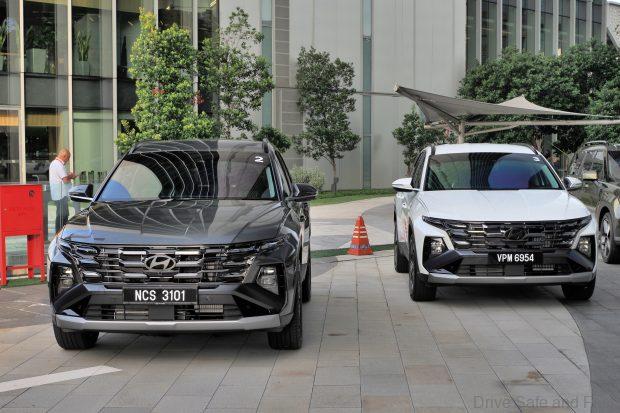
It also helps that the Tucson is genuinely more modern and interesting to look at than its Japanese peers. Plus it has an mature Euro-flavoured identity of its own – something that Hyundai has cultivated over generations and that its closest Chinese rivals haven’t had the time to pin down yet. This advantage translates beyond the way the Tucson looks.
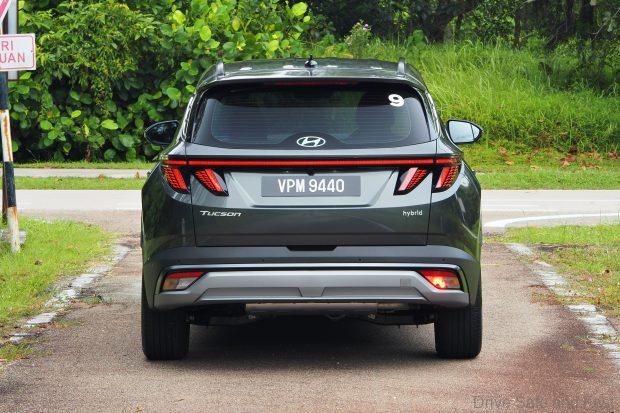
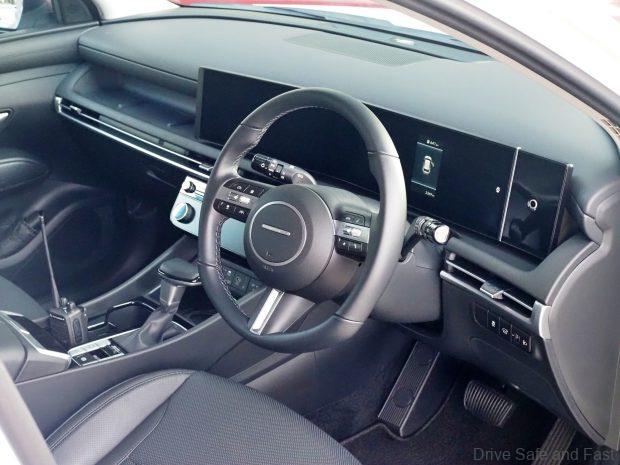
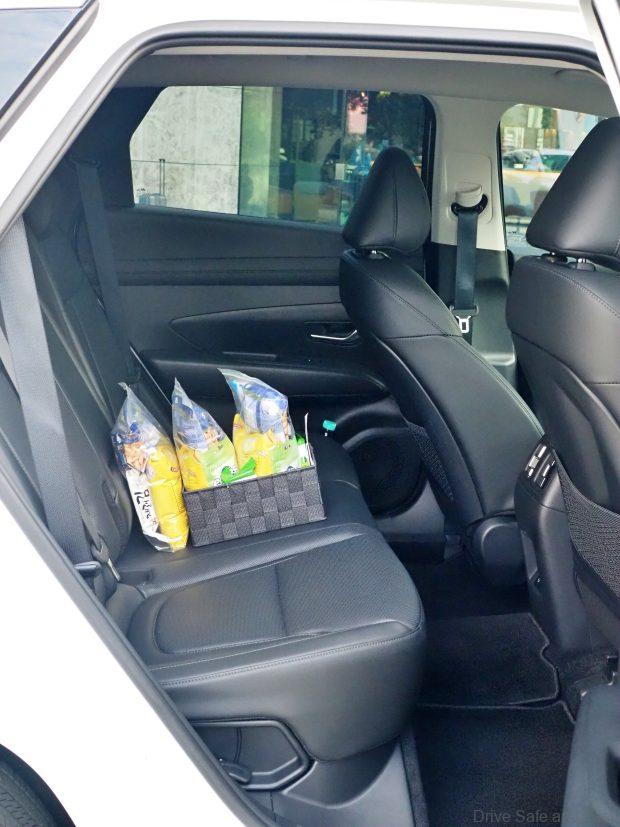
It’s also extremely well sorted in terms of ride and handling, and refinement is nothing to scoff at either. The Tucson comes across as extremely competent and is both more comfortable, quiet and high-tech than its direct Japanese rivals. The CR-V is larger, especially for those occupying the rear seats and the CX-5 is more engaging to drive. The Tucson’s character is more stoic than either.
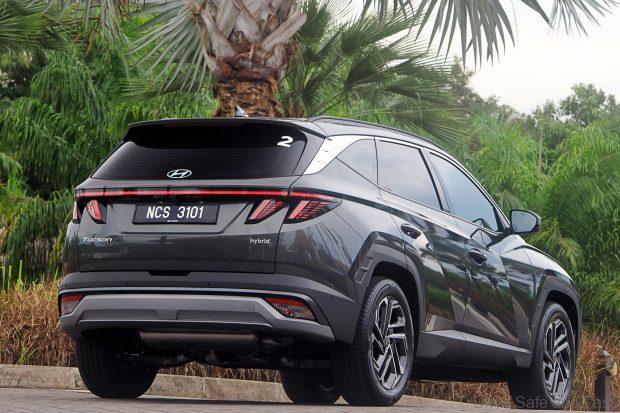
The Turbo AWD model is pretty competitive but it’s the hybrid that stands out here. Unlike the CR-V, here the hybrid is paired to a turbocharged engine that contributes immensely to the natural torque advantage of the electrified powertrain. It’s a car that feels like it has an endless reserve of power to draw from. It doesn’t sound as good as the CR-V RS, but it doesn’t fake its engine sound quite as much as Honda does. I’d say it’s providing a pretty interesting alternative at the top end for around the same price.
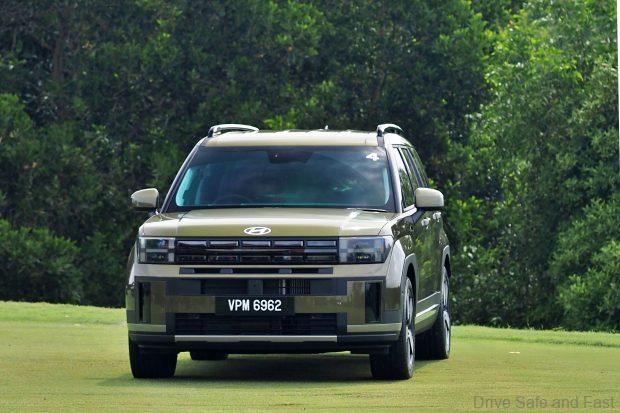
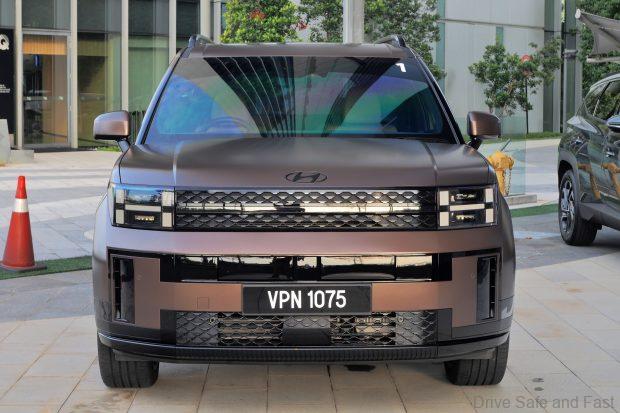
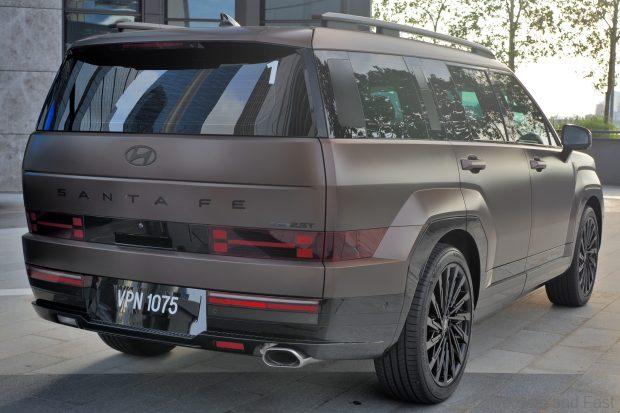
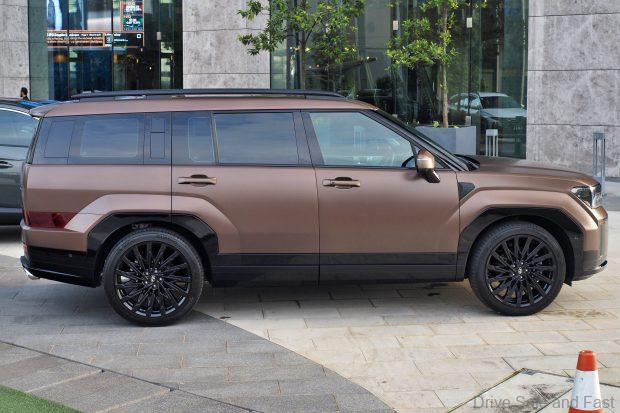
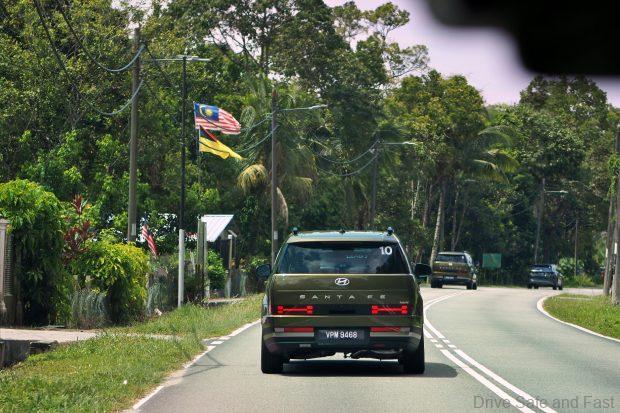
The Santa Fe is the real star here, though it’s filling a very specific niche with a rather high price tag and unconventional looks. Despite having such an unique design, this isn’t actually an all-new Santa Fe, but an extensive redesign of the previous model. What happened to the Santa Fe in the last generation was a little strange – the brand moved the model to a new, more modern chassis while retaining the design language for that generation. So, the outgoing car that looked almost like the vehicle that was sold here years ago was nearly all new under its skin. To be honest, it doesn’t really matter much whether this Santa Fe is new or all-new, because most Malaysians wouldn’t have paid too much attention to the short lived 2024 model even though it was impressive enough to win a VOTY.
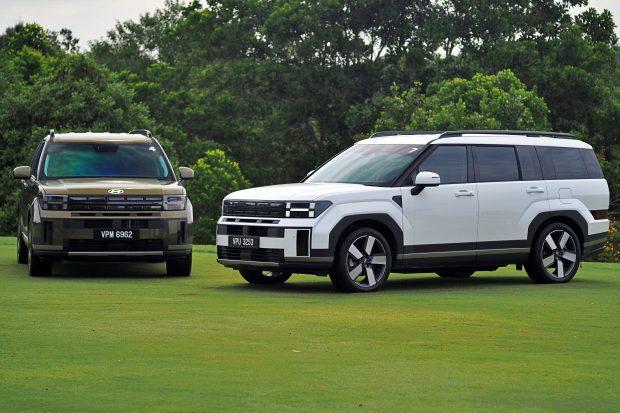
This latest Santa Fe comes with the choice of a 1.6L Turbo Hybrid 2WD or a 2.5L Turbo AWD. Unlike on the Tucson, the hybrid powers the base and mid-spec car while the turbocharged petrol engine powers the flagship variant. We spent most of our time in the base and mid-spec hybrid Santa Fe SUVs.
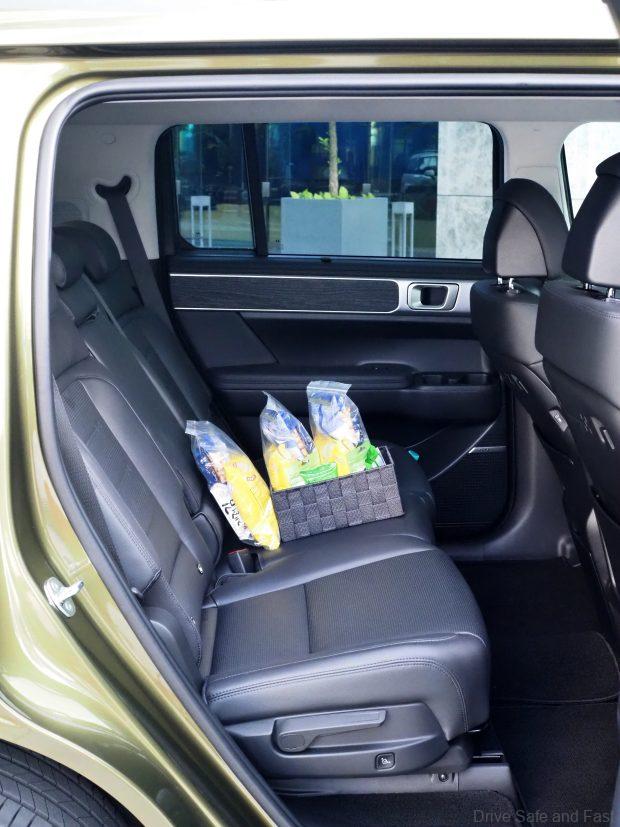
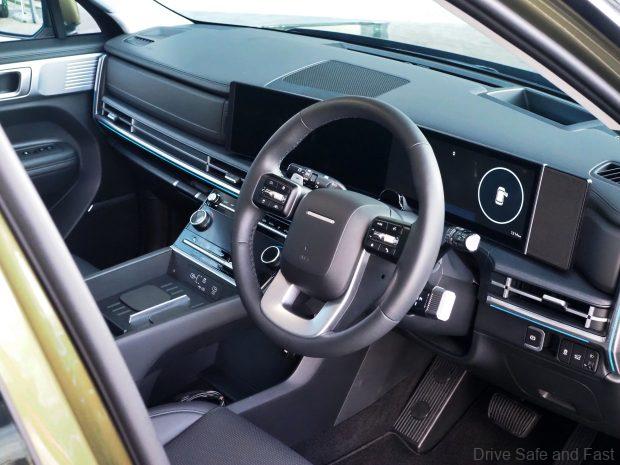
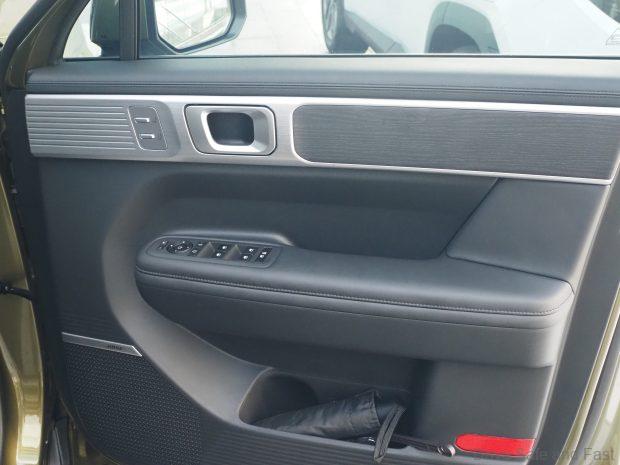
Once again, the hybrid powertrain is extremely impressive with loads of high-speed power from the turbo petrol engine and low-end torque from the electric motor. The hybrid is also excellent in heavy traffic, disappearing entirely and sipping fuel like a compact hatch.
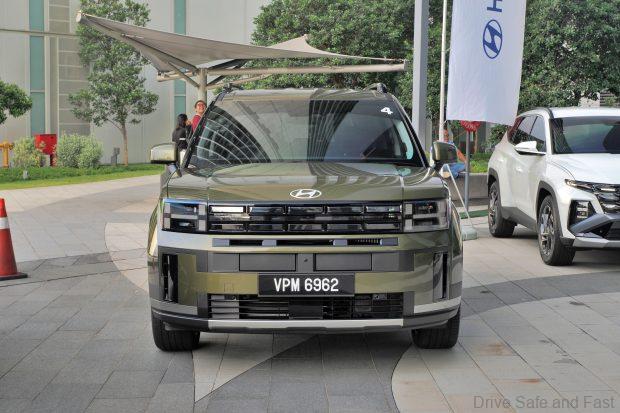
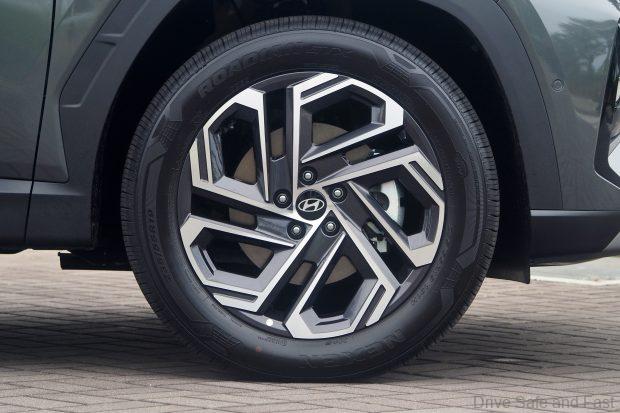
The base model Santa Fe was particularly impressive as it didn’t feel like it was missing any equipment that one could do without. You have to deal with smaller 18″ wheels, the lack of seat ventilation and Blind Spot View System, with fewer and less advanced ADAS features, and a semi-digital instrument cluster. There are other downgraded equipment features, but the base model still retains the fundamentals that make the SUV really good at what it does. If you need a large 7-seater that’s comfortable, fast, drives well, from a brand you recognise, it ticks the boxes.
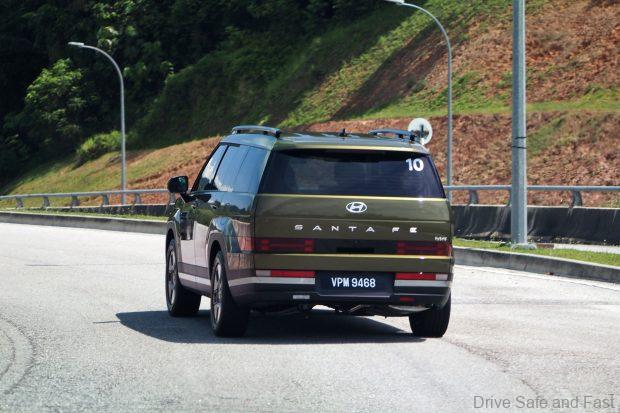
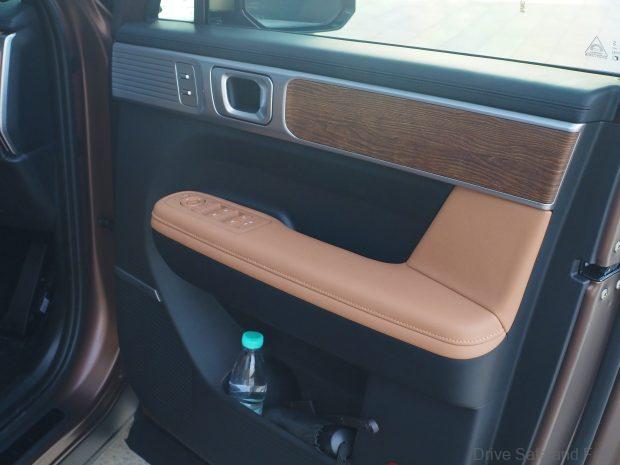
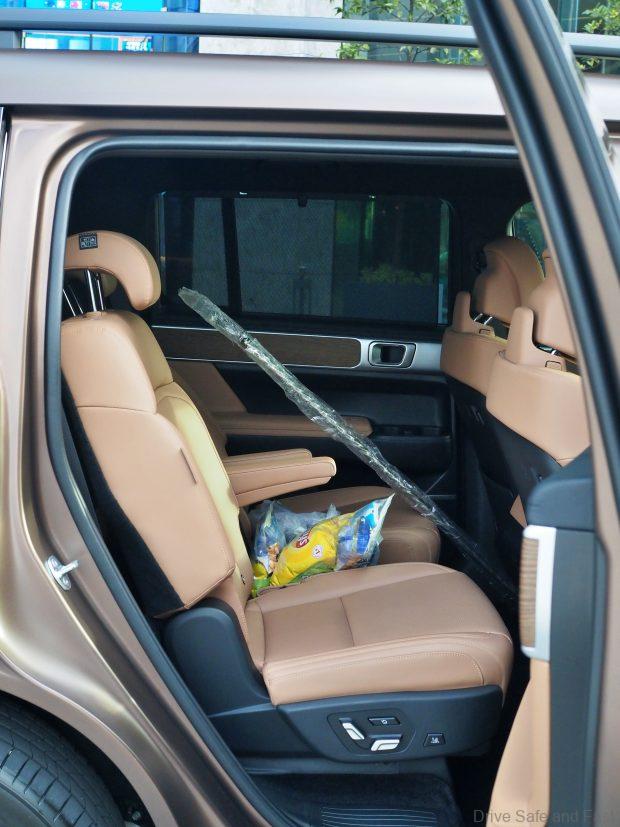
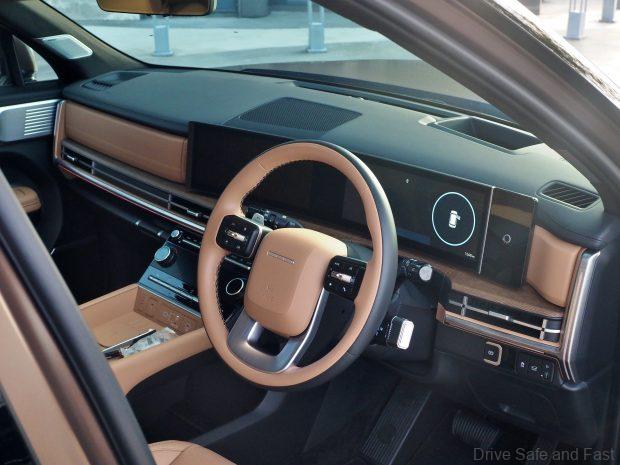
The mid-spec model isn’t missing anything you’d notice, in fact you have a tonne of nice-to-haves including memory seats, a 12-speaker BOSE system, and dual Qi chargers. It’s the 2.5T Caligraphy model that really sets itself apart with loads of high-end interior appointments as well as that all-wheel drive driveline with terrain modes to go along with it. It’s probably the one to buy, we didn’t spend time behind the wheel of this one, but did sit in it and it did indeed feel elevated in terms of perceived quality, particularly with its Pecan Brown leather and Natural Serenity Oak garnish.
Overall, the impression we got from the renewed Hyundai SUV range gives us the sense that they’re going after the mass market Japanese brands. On the one hand, this is probably the right approach, as the only way is up for Hyundai in Malaysia. Any percentage point of market share clawed translates to a win. Plus, it’s about time Malaysians got an alternative to Toyota and Volkswagen.
In markets like the US and Europe, Hyundai is indeed positioned as that high-value conservative alternative. In Malaysia, Toyota has long decided not to bother with low-margin products. This is why the RAV4 is absent from local showrooms despite outselling the CR-V globally. If Hyundai are willing to fill all the gaps left behind by Toyota, we may see a new power rise.
On the other hand, this is really a long term plan that will require strong leadership, aggressive pricing, and continuing investments. Hyundai Motor Malaysia has to ask itself what it ultimately wants before going down this path because there are PLENTY of new players in the market that have that hunger in them. If you’re just a potential customer, you don’t need to think about their strategy too much. What’s important is that they’re here for the long term and if the cars appeal to you, there’s nothing in our eyes that look like red flags and in fact many reasons to give Hyundai the shot they deserve.