


Volvo Cars posted stronger-than-expected third-quarter profit, marking the firm’s best-ever trading day since its listing four years ago.
For the July-September period, Volvo Cars reported an operating income of 6.4 billion Swedish kronor (USD 680.4 million), significantly surpassing analysts’ expectations and rising from 5.8 billion kronor a year earlier. The company’s margin on earnings before interest and taxes (EBIT) also improved to 7.4 per cent for the third quarter, up from 6.2 per cent in the same period last year. According to CNBC, this also represents Volvo Cars’ best ever trading day since the company listed.
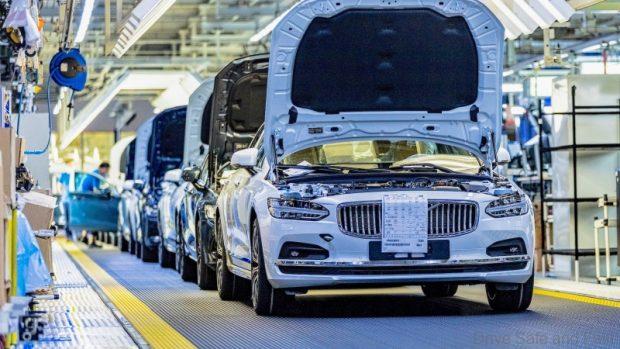
CEO Håkan Samuelsson said the strong results were mainly due to the company’s ongoing 18 billion kronor cost-saving programme and some one-off items.
Overcoming Market Headwinds
The impressive financial rebound comes despite ongoing turbulence in the global market, which has seen fierce price competition and persistent macroeconomic challenges. Earlier in the year, Volvo Cars had implemented 3,000 job cuts and withdrew its financial guidance, citing robust competition and tariff pressure.

Despite these headwinds, Samuelsson noted positive sales trends, stating, “We returned to a slight sales growth in September and we are now ramping up sales of our BEV cars”. The company is “fully on track” for the “very important January launch of the EX60” in the largest electric segment.

Potential Edge in Geopolitical Turmoil
The strong quarterly performance is noteworthy given the concurrent supply chain vulnerabilities gripping the wider European automotive sector, such as the major disruption caused by the China-Netherlands dispute over chipmaker Nexperia.

While rival manufacturers like Volkswagen have warned of potential temporary production outages due to the Nexperia chip export restrictions, Volvo Cars’ ability to post an EBIT margin increase suggests a stronger operational resilience. As part of the Geely group, Volvo Cars may have been better shielded from the crisis due to established supply chain synergies and a strategic positioning that allows it to better navigate geopolitical complexities compared to competitors who may be more heavily reliant on the disrupted Nexperia supply.

Looking ahead, Volvo Cars expects to see more positive results from its cost-cutting efforts in the last three months of the year. The company remains highly aware of its industry’s exposure to tariffs, even after the July trade deal between the U.S. and E.U., which lowered the tariff threat from 30 per cent to 15 per cent.

