


GAC has entered Indonesia with local assembly operations for their EVs.
The landscape of electric vehicle (EV) manufacturing in Southeast Asia is undergoing a rapid and decisive transformation, and Chinese automotive giant GAC is positioning itself as a major player. In a significant strategic move, GAC Indonesia has officially cemented its commitment to local EV production, transitioning all marketed models to a Completely Knocked Down (CKD) assembly scheme through its crucial partnership with the Indomobil Group.
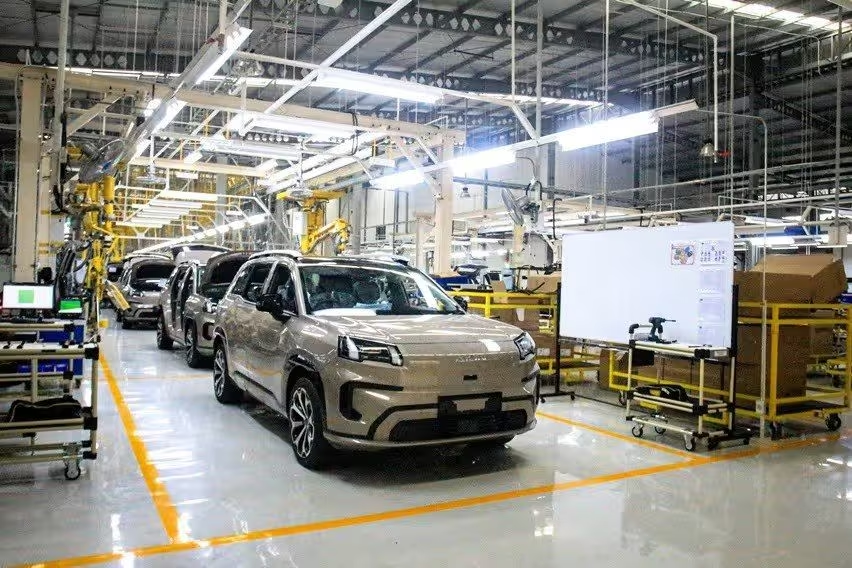
This full-scale shift from imported Completely Built-Up (CBU) units to local assembly is a direct response to Indonesia’s burgeoning EV market and a clear indicator of GAC’s ambitious “Thailand + Indonesia” strategy aimed at dominating the ASEAN region. GAC also has CKD operations in Malaysia, but their volume here is probably a lot lower in comparison.
The Full CKD Commitment: From CBU to Local Powerhouse
According to GAC Indonesia Chief Executive Officer, Andry Ciu, the transition is now fully underway, encompassing a growing portfolio of vehicles. Models like the Aion Y Plus, Hyper HT, Aion V, and others under the Aion brand are no longer being imported as finished products. This localization strategy, facilitated by the manufacturing prowess of the Indomobil Group as a National Assembler, not only streamlines the supply chain but also aligns with government incentives that favor high local content (TKDN).
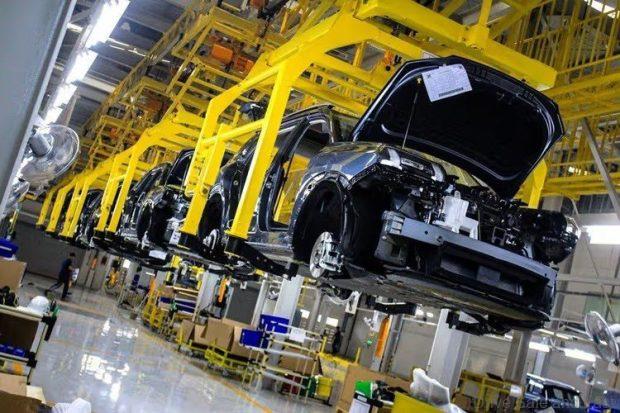
The partnership with Indomobil is pivotal, providing GAC with immediate access to established manufacturing infrastructure. Ciu highlighted the flexibility this collaboration offers, stating that Indomobil’s multiple factory areas negate any immediate constraints on production capacity. This robust manufacturing backbone ensures that GAC can scale quickly to meet both domestic and international demand.
A ‘Lighthouse Factory’ in the Heart of West Java
Central to GAC’s manufacturing strategy in Indonesia is the new facility located in Purwakarta, West Java. This plant is being developed under the coveted “Lighthouse Factory” concept. This designation, awarded by the World Economic Forum to a select few manufacturers globally, signifies the adoption of cutting-edge Fourth Industrial Revolution (4IR) technologies.
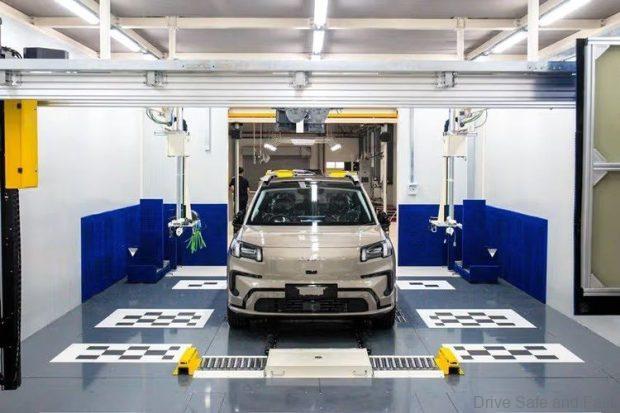
The Purwakarta facility is engineered for extreme automation and intelligent production systems. This level of smart manufacturing allows for rapid changes to vehicle production lines—reportedly in as little as 30 minutes—and supports a mixed production mode. Crucially, the plant is also designed with a strong focus on reducing environmental impact, showcasing GAC’s commitment to sustainable manufacturing practices in the region.
Scaling Up for Regional Ambition
The initial capacity of the Purwakarta plant is set at 20,000 units per year, a figure GAC has already laid out aggressive plans to more than double, with a target expansion to 50,000 units per year. Furthermore, the Indomobil partnership may allow GAC to access even larger assembly spaces, with Ciu indicating a potential transfer of production to a third factory area with a capacity exceeding 150,000 units per year if the initial facility maxes out.
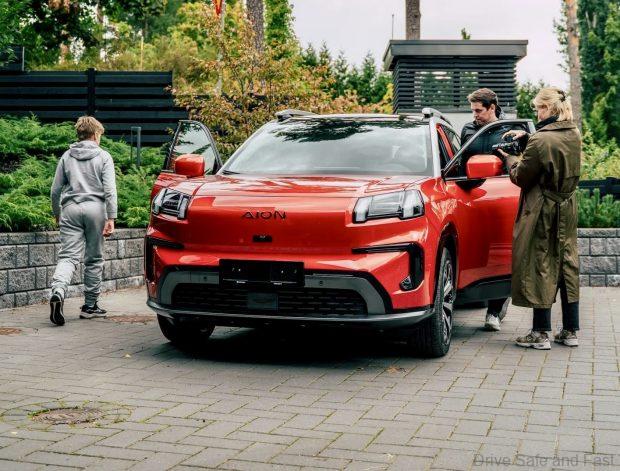
The first model slated to roll off the local assembly line is the Aion V midsize crossover, a strategic choice to anchor GAC’s presence in the competitive Indonesian EV SUV segment. The facility is not limited to just one body type; its flexible manufacturing lines will be used to produce a comprehensive range of vehicles, including sedans, SUVs, MPVs, and 7-seater models.
This high-volume, multi-platform capability clearly signals GAC’s intent to use Indonesia not just as a consumer market, but as a key regional production and export hub. By establishing such a modern, highly efficient manufacturing base, GAC is making a profound, long-term statement: its goal is to seamlessly integrate into Indonesia’s automotive ecosystem, driving the local shift towards electric mobility while leveraging the country’s strategic position to radiate its influence across the entire Southeast Asian market and beyond.

