

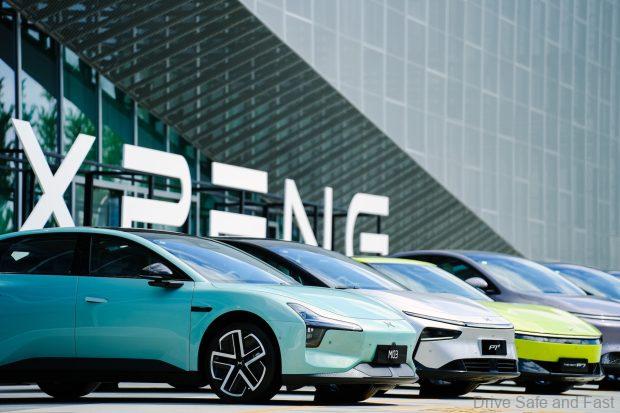
XPENG is following in Tesla’s footsteps once again to be more AI-centric and less like a car company.
XPENG has officially upgraded its positioning to a “global embodied intelligence company,” following its monumental 2025 AI Day, themed “Emergence.” The event, held on November 5, 2025, showcased four key applications set to redefine personal and commercial mobility, a development that is especially significant for the rapidly evolving automotive landscape.
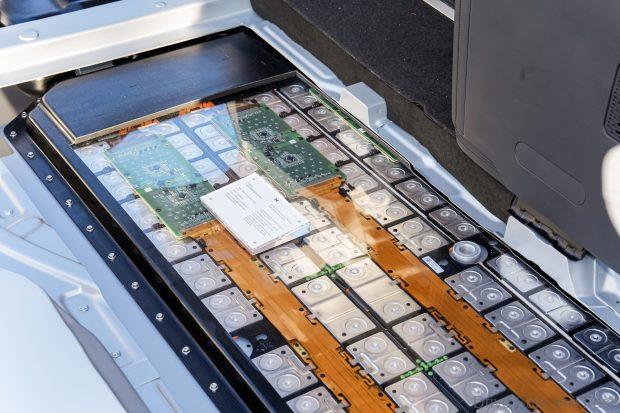
XPENG is the only company in China to achieve a full-stack self-developed Physical AI system. At the core of its innovations is the newly launched XPENG VLA 2.0 large model. Described as the “operating system of the physical AI world,” this model subverts the traditional architecture by achieving end-to-end direct generation from visual signals to action commands. Critically, this mass-produced VLA 2.0 is cross-domain driven, applicable simultaneously to AI cars, humanoid robots, and flying cars. This unified approach promises faster, more coherent technological advancements that could swiftly find their way to regional markets like Malaysia. Three embodied intelligent products were launched, painting a clear picture of future transport:
Robotaxi and the “Robo” Trim
XPENG unveiled its first full-stack self-developed and mass-produced Robotaxi, set for mass production and pilot operation in 2026. This vehicle boasts the highest global standard for on-board computing power (3000 TOPS) and operates purely on a vision solution, eliminating the need for lidar and high-precision maps, making it highly versatile for diverse Malaysian road conditions. Furthermore, XPENG will launch a new intelligent driving trim called “Robo” in 2026 for private car owners, sharing the Robotaxi’s advanced hardware and intelligent driving capabilities. The partnership with Amap, its first global ecosystem partner for Robotaxi, signals its global intent.
Next-Gen IRON Humanoid Robot
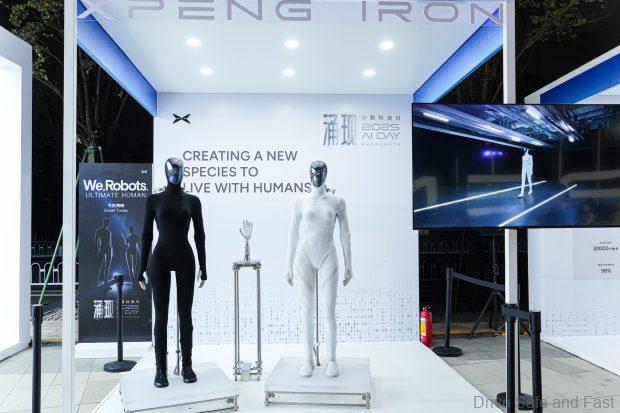
XPENG’s dedication to “extreme anthropomorphism” resulted in the stunning Next-Gen IRON humanoid robot. With 82 degrees of freedom, human-like bionic muscles, and fully covered flexible skin, it is equipped with three Turing AI chips and the VLT + VLA + VLM combination for advanced intelligence. With an aim for large-scale mass production by the end of 2026, the IRON robot, which will prioritize commercial scenarios, is a glimpse into a future workforce.
Flying Cars
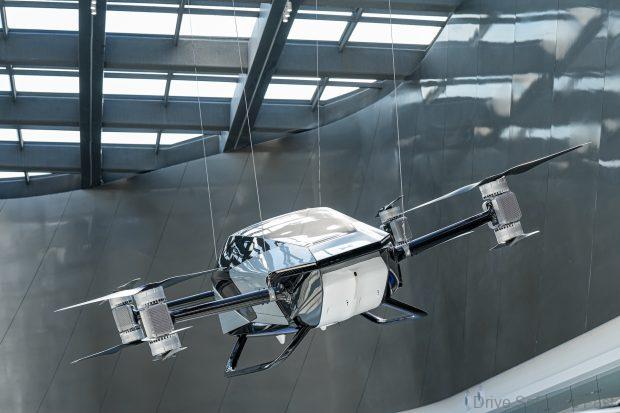
XPENG ARIDGE is accelerating the layout of low-altitude mobility with two systems: the “Land Aircraft Carrier” and the full tiltrotor hybrid flying car “A868.” The 6-seater A868 is expected to achieve a long range of 500 km and a maximum cruising speed of 360 km/h, targeting long-haul business travel. Meanwhile, the Land Aircraft Carrier is on the eve of mass production, with global orders already exceeding 7,000 units. The operation of the world’s first flying car assembly line further underscores XPENG’s commitment to delivering these futuristic vehicles, bringing the promise of three-dimensional travel closer to reality for Southeast Asian consumers.