


EV Charging infrastructure in Malaysia especially East Coast of Peninsula Malaysia still lacking and its already December 2025
In the final few weeks of December 2025 there has been a flurry of activity at almost all electric vehicle showrooms in Malaysia as Malaysian car buyers rush to get a tax free fully imported shiny new electric vehicle. Why? Well, starting January 1st 2026, all imported electric vehicles will be imposed import duties and even local assembled electric vehicles will have duty on them (slightly less).
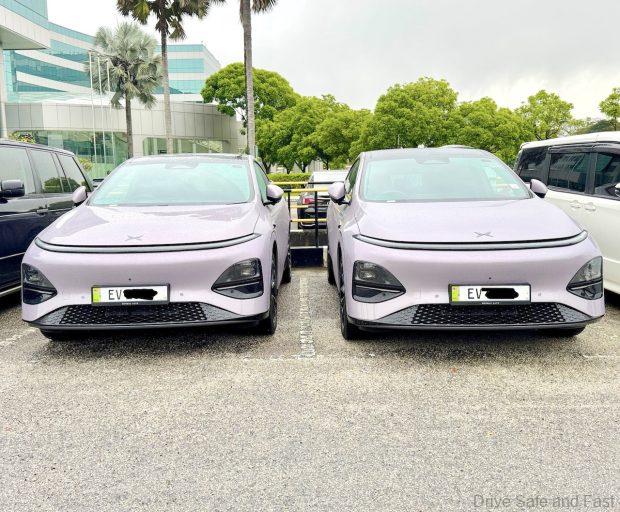
Meanwhile, we wonder is there are enough battery charging stations around the country to cope with 2026 and beyond?
To reduce and even better remove completely electric vehicle driving range anxieties, Malaysia has targeted to have 10,000 EV charging stations by 2025 under the Low Carbon Mobility Blueprint (LCMB): 2021-2030 (Ministry of Environment and Water (KASA), 2021). This initiative is left to the private sector as it is supposed to be industry-driven.
Right now, if our research is correct, as of September 2025, there were only 5149 charging points which are distributed across 1,000 plus locations across the country. (1709 DC chargers and 3440 AC chargers)
The slower than expected roll-out of charging stations is attributed in part to the lengthy
approval process, bureaucratic delays, and red tape as it reportedly takes approximately eight to nine months to construct charging points (Lim 2023a).
Private investors are also slow to invest as capital costs are high, estimated at RM1.5-RM2
million for installing 10 rapid charging stations while demand is held back by the lack
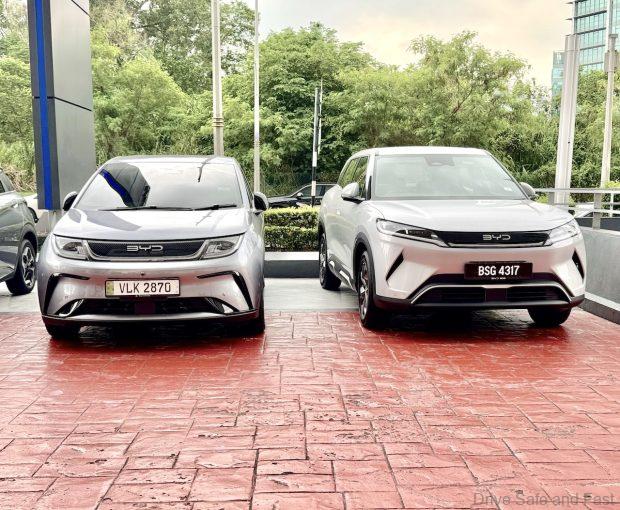
of affordable EVs which is about to change as Proton launched the eMAS 5 at below RM60k and there was the Perodua EV at RM80k. To add to the excitement, the TQ Wuling Bingo was launched from RM62k to RM67k only (pictured below).
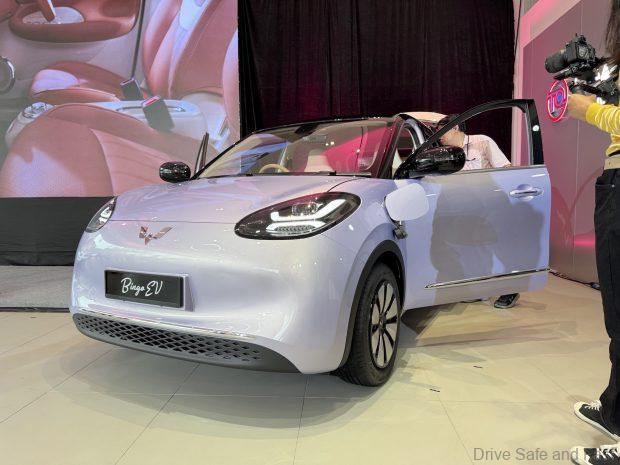
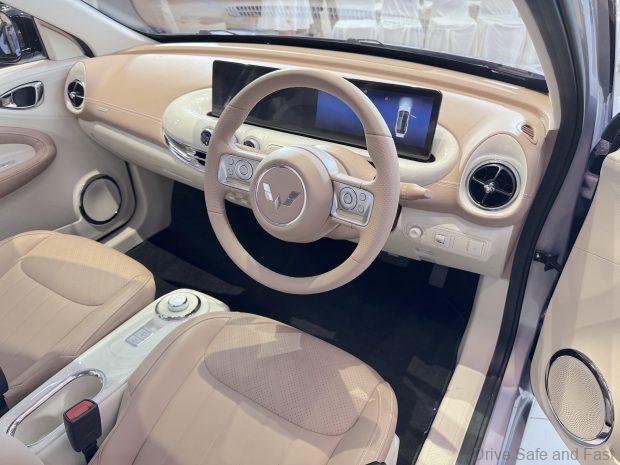
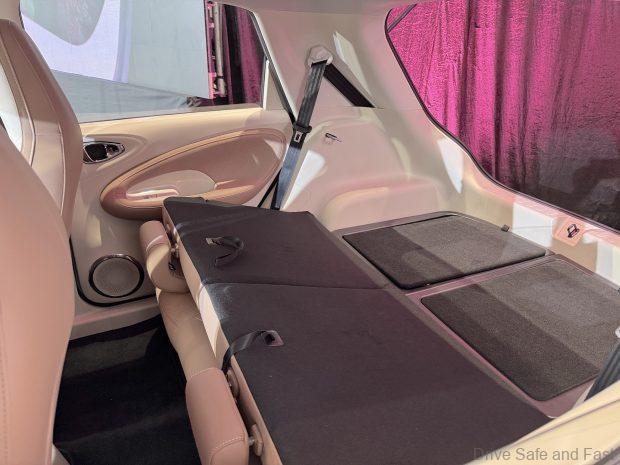
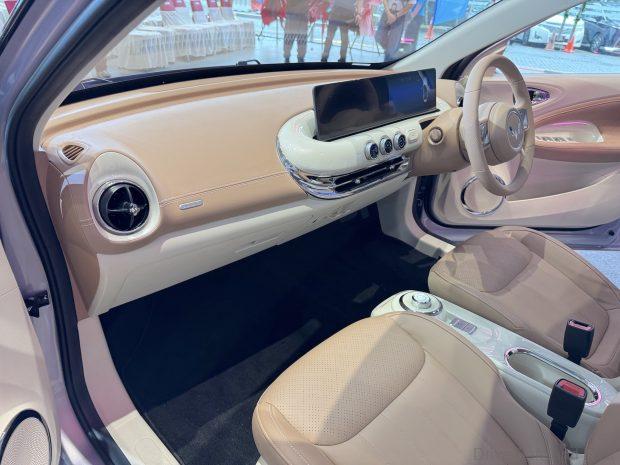
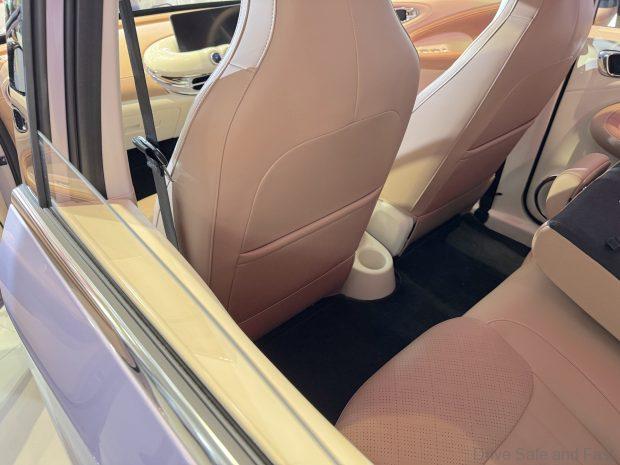
The high initial costs and slow EV adoption rate implies an extended cost recovery period, thereby reducing private investment interest (TnGlobal 2023).
Our Grid In Malaysia
While EVs will reduce tail pipe emissions, it is the energy mix in the electricity generation of a country that will determine the emission expanded by EVs. Malaysia’s electricity generation in 2020 was contributed primarily from coal (50.9 percent) and gas (30.8 percent), while hydropower and other renewable energy (RE) only contributed 17.8 percent (MIDA 2023a).
The installed capacity of energy sources in 2020 had a higher share of RE (including hydropower) at 23% (8,450MW), according to the Malaysia Renewable Energy Roadmap (MyRER). Most of it comes from large hydro while the share of solar, biogas and biomass installed capacity was 2,251MW.1
Malaysia targets to have a share of renewables of 21 percent by 2025, 40 percent by 2035 and 70 percent by 2050. It is therefore still a long way to go for EVs to be truly a vehicle for green transition.

