


It’s not just Vietnam and Malaysia, Indonesia too want a homegrown Electric Vehicle.
Indonesia is set to develop its long-sought national car within the next three years, an initiative strongly backed by President Prabowo Subianto. This aggressive timeline is being accelerated as the national car project is poised to be designated a National Strategic Project (PSN). So it won’t just be the Perodua QV-E to represent homegrown EVs in this part of the world.
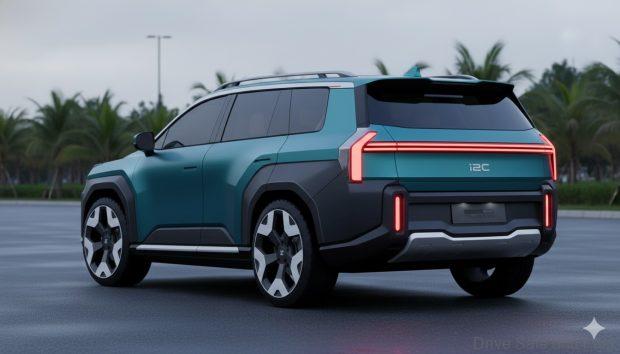
Industry Minister Agus Gumiwang Kartasasmita confirmed the proposal has been signed and submitted, stating that PSN status will significantly fast-track all necessary preparations, including factory readiness and funding allocation. President Prabowo has confirmed that both the necessary budget and land for manufacturing facilities have already been allocated, with a dedicated team currently at work. The push for domestic manufacturing centers around the all-electric i2C SUV, a 3-row concept EV show earlier this year.
The Indigenous Electric Future: i2C SUV
The Indonesian Indigenous Car (i2C) is poised to spearhead the nation’s electric vehicle ambition. Unveiled as a three-row, six-seater EV SUV at the GAIKINDO International Auto Show earlier in July, the i2C is developed by PT Teknologi Militer Indonesia (TMI), a company traditionally focused on defense technology, in collaboration with the design house Italdesign. The i2C is a large EV SUV that takes some inspiration from the Kia EV9, but with a strong focus on national identity. The design integrates local cultural elements like the Garuda emblem and batik patterns in the interior.
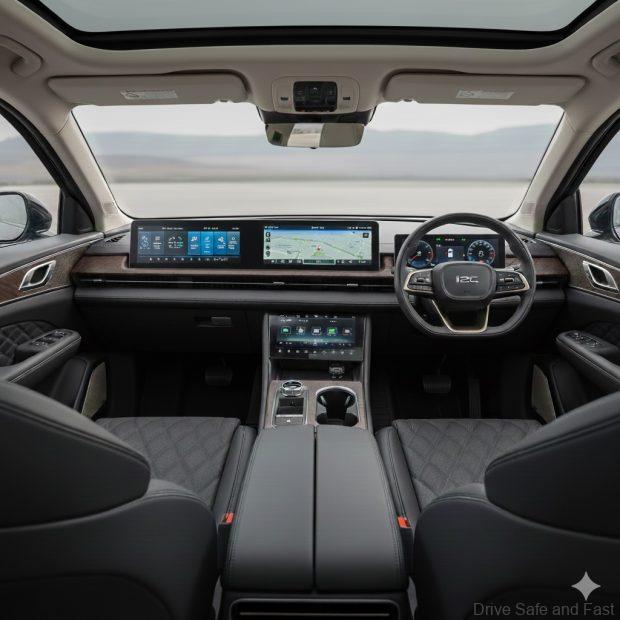
Targeting a price under 500 million IDR (approximately RM123K), the i2C aims for affordability for a broad consumer base. Preliminary specifications quote a sizable 83.4 kWh battery pack delivering a range of up to 617 km (CLTC), powered by a single rear-mounted motor generating 204 PS. Mass production is slated to begin around late 2027 or the first half of 2028, aligning with the President’s three-year target.
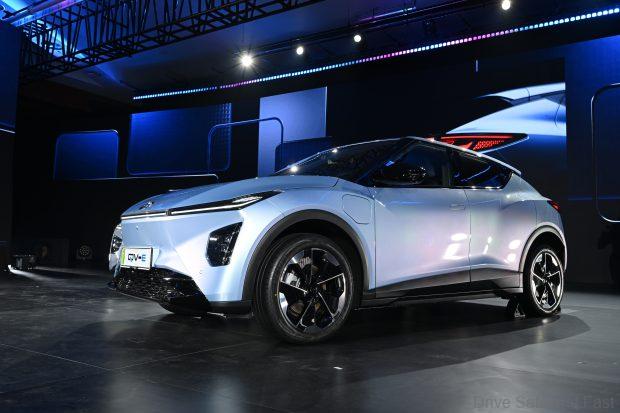
It’s unclear which technology partners TMI will lean on to develop this first EV of theirs. Right now both Chinese and South Korean car makers have invested heavily in Indonesia, so there may even be a chance that many components can be sources locally from factories making products for other brands. 2028 is also a lifetime in the world of EVs. The company may be developing the vehicle with LFP or NMC battery technology today only for solid state battery tech to be the norm by then. It’s also unclear if the i2C will adopt the same Battery-as-a-Service model as the Perodua QV-E when it launches.

