


Perodua clears the air around ‘Shariah-Compliance’ financial arrangements for the QV-E and the battery leasing scheme.
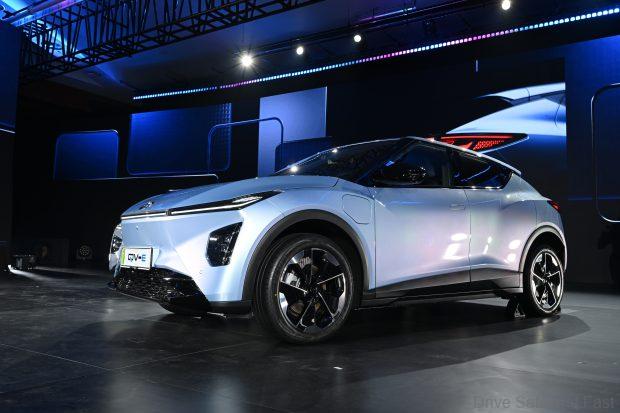
The introduction of the Perodua QV-E, Malaysia’s first homegrown Battery Electric Vehicle (BEV), has generated significant discussion, particularly surrounding its associated Shariah-compliant financing structure. To clarify public concerns, Perodua has moved to explain that the term “Shariah compliant” applies solely to the financial arrangements for the car and its battery, and does not restrict the vehicle’s general use to purely religious activities.
“Shariah compliant” means that the financial framework adheres to Islamic law principles, primarily by avoiding interest (riba) and transactions involving prohibited industries, such as alcohol or gambling. This compliance is highly relevant for two separate financial options: the main Battery-as-a-Service (BaaS) lease plan for the QV-E and the general agility financing option offered on other Perodua models.
The QV-E BaaS Plan: Shariah-Compliant Lease
The BaaS plan for the QV-E battery is structured as a Shariah-compliant lease, addressing the high upfront cost of EV ownership. Instead of a conventional loan with interest, the customer pays an agreed-upon monthly rental fee for the use of the battery over a nine-year period (RM275/month, or RM297 with SST).
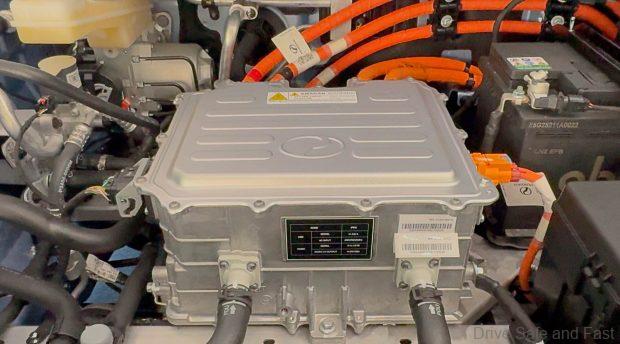
Crucially, the customer does not own the battery during the lease; ownership remains with Perodua. The lease agreement explicitly states that the customer will not own the battery even after the nine-year term, distinguishing it from other Islamic financing methods like Al-Ijarah Thumma Al-Bai’ (lease followed by sale).
For customer reassurance, Perodua handles all battery maintenance and guarantees replacement for free if the State of Health (SoH) drops below 70%, offering peace of mind without conventional warranty mileage caps. Structurally, late fees (1% per year) are also applied in a Shariah-compliant manner, with strict rules governing missed payments that could lead to potential termination and battery recovery.

Usage Restrictions and General Financing
It is important to note that the BaaS lease contract does prohibit the use of the vehicle for non-Shariah compliant commercial activities, such as e-hailing or delivery services. This is a functional restriction tied to the financing contract, not a general restriction on private use.
Separately, Perodua and Maybank Islamic also offer a general Shariah-compliant financing option called the “Flexiplan” for non-EV models like the Myvi, Ativa, Aruz, and Axia (excluding Axia E). This uses a different contract, Murabahah Financing (cost-plus-profit sale), where the bank buys the car and sells it to the customer at a disclosed cost plus an agreed-upon profit margin. A key feature is Perodua’s guaranteed buy-back at a pre-agreed residual value after five years, allowing customers flexibility to easily trade in for a new model or continue financing.
By structuring the financial products around these Islamic principles, Perodua aims to make the QV-E and other models accessible to a broader base of Malaysian customers while adhering to their preferred ethical financing methods.

