


Between January and December 2025, the EU saw 10,822,831 new cars registered across its 27 member states, according to the latest data from ACEA.
According to research Autovista24, of the EU’s major new-car markets, Spain consistently shone as a beacon of prosperity in 2025. Buoyed by healthy electric vehicle (EV) sales, supported by effective incentives, the country powered to double-digit growth of 12.9%.
Germany, the EU’s largest new-car market, also recorded a volume increase. In total, 2,857,591 new cars left the nation’s showrooms in 2025, providing a positive return of 1.4%. Like Spain, electrified powertrains, including battery-electric vehicles (BEVs), plug-in hybrids (PHEVs), and hybrids, made up of full and mild-hybrids, led the way.
With 1,632,152 sales, France ended the year in a distinct malaise. The EU’s second largest player by unit volume staggered to a 5% drop across the year. This included declines in all but two of the powertrain groupings defined by ACEA.
The EU’s third largest market by volume, Italy endured a stagnant year in 2025. This was reflected in ACEA’s data, as the country limped to a 2.1% decline, with 1,524,843 new cars registered. The country’s year-on-year slip came despite some promising results spurred by short but sweet, late-year EV incentives.
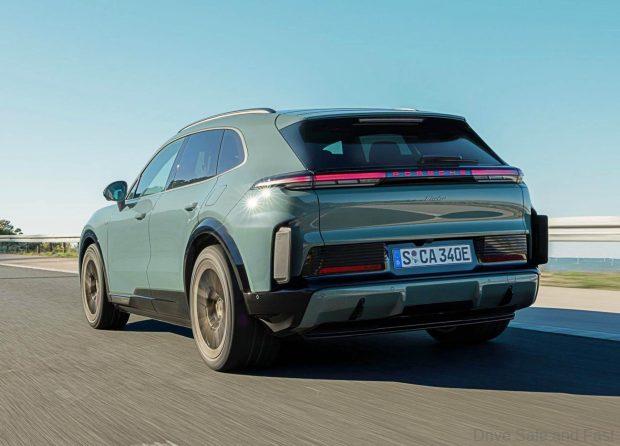
Notable new-car market fortunes in 2025
Of the larger EU markets, Belgium endured a disappointing year. It saw a 7.5% dive year-on-year as 414,770 new-cars were sold. This was despite a strong December, which saw a 23% improvement compared with 12 months prior, helped by double-digit BEV and PHEV sales.
Poland ended the year in a strong position, with an 8.3% uptick in new-car volumes. This was boosted by consistent triple-digit monthly BEV and PHEV unit improvements. In December alone these gains amounted to 341.6% and 260.7% respectively.
This healthy EV uptake has been supported by Poland’s NaszEauto incentives programme. It offers benefits, such as tax relief and scrappage rewards for older internal-combustion engine (ICE) cars.
Similarly, and with healthy EV sales, Portugal saw a 7.3% year-on-year volume increase, and Czechia reported a 7.4% improvement.
More generally, the largest year-on-year percentage increase came in Lithuania at 39.3%, equating to 41.974 new-cars registered. The biggest year-on-year fall was experienced in the fellow Baltic State of Estonia, which endured a 48.6% drop
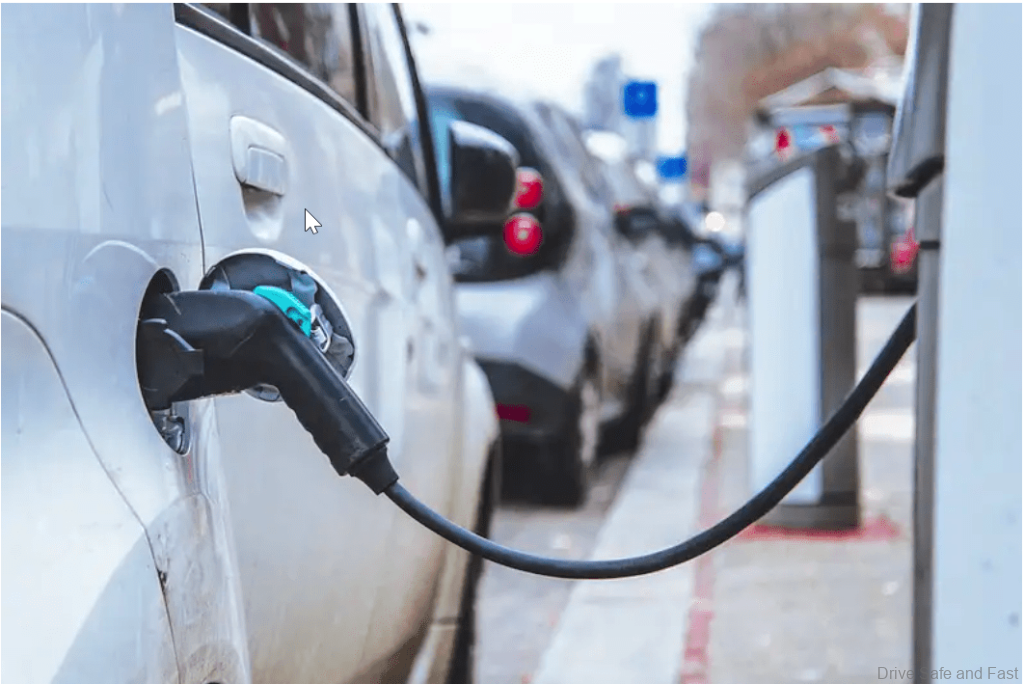
Are positive EV adoption trends the reality?
In December, 320,812 new EVs, made up of BEVs and PHEVs, were registered in the EU. This was an increase of 46.1% compared to the same month in 2024 and gave the technology a 33.3% market share. This itself was an increase of 9.2 percentage points (pp).

