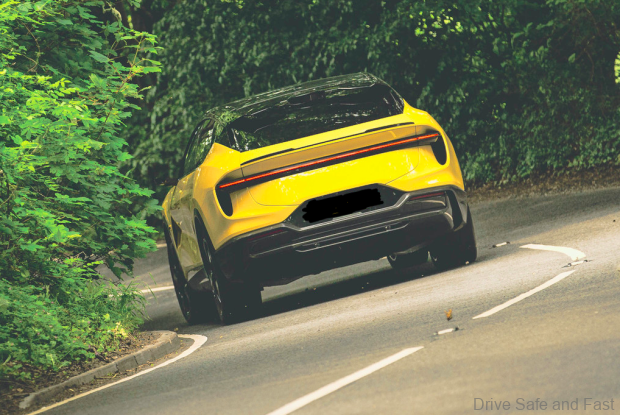



In many nations the sales growth in battery-powered vehicles has reached a plateau. However, when you look at the figures for some nations, it seems very promising.
Meanwhile, sports car manufacturer, Lotus Cars has been as agile with its EV strategy as its cars have been on track. In November 2024, the former British owned automaker announced a change in plans to be all EV by 2028 under its new Chinese owner. It had previously said that the Emira sports car would be the last ICE car.
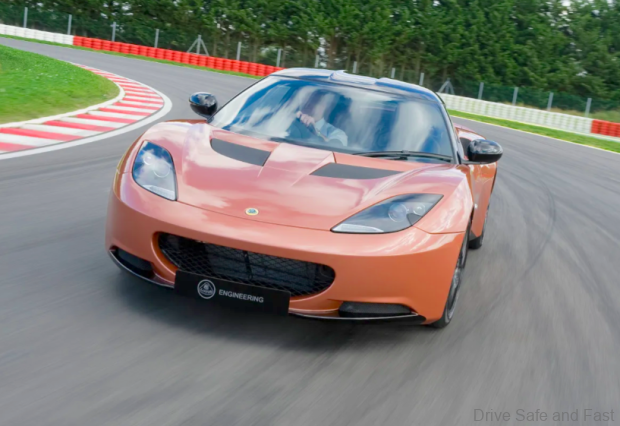
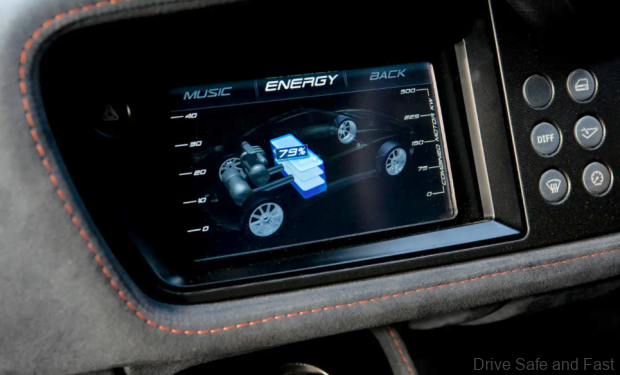
Now comes news that there is a new plan is to go hybrid (codenamed ‘For Me‘), something in line with the Lotus Evora 414E which was back in 2010. In case you did not know this, the Lotus Evora 414E was a 2010 high-performance plug-in hybrid concept car. It featured two rear electric motors producing a combined 408hp (414PS) and a 3-cylinder range-extender engine. Key features included a 35+ mile electric range and a 0-100 km/h acceleration time in 4 seconds.
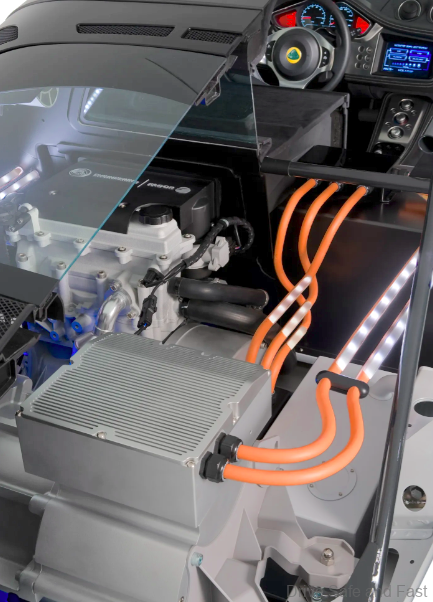
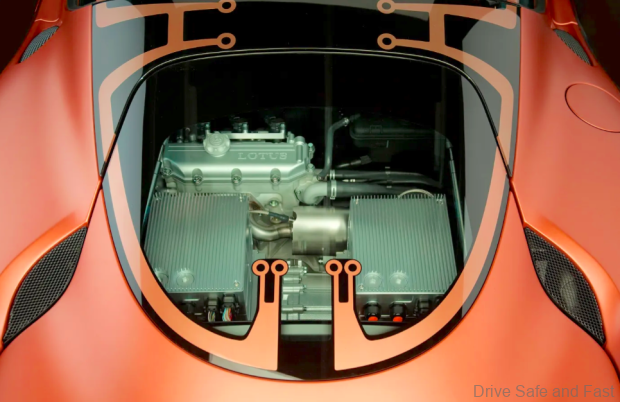
Incidentally, right now, the Emira uses the four-cylinder Mercedes M139 engine, which is also used in in the current Mercedes C63 AMG hybrid to produce a hybrid total of 680hp and 752lb-ft.
For Lotus Cars this is their breakthrough electric-first hybrid system.
They are calling it ‘Lotus’s first and only hybrid system’ delivering 952PS, 935Nm of torque, 350km* (218 miles) of pure electric range, and over 1,200 km* (745 miles) combined.
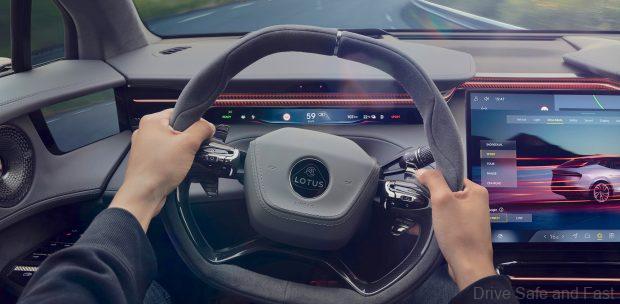
Next Technology
A system that intelligently shifts between pure EV, series hybrid and parallel hybrid modes for optimal efficiency in every scenario. 900V architecture. 150 kW onboard generator which happens to be the most powerful in its class.
With 952PS. 935Nm. 0–100 km/h in 3.3 seconds. Even at 20% battery, X Hybrid technology delivers most of its power. With 900V architecture it enables 20–80% battery charging in just 9 minutes. There is a possible 350 km* (218 miles) pure electric. 1,200+ km* (745+ miles) combined.
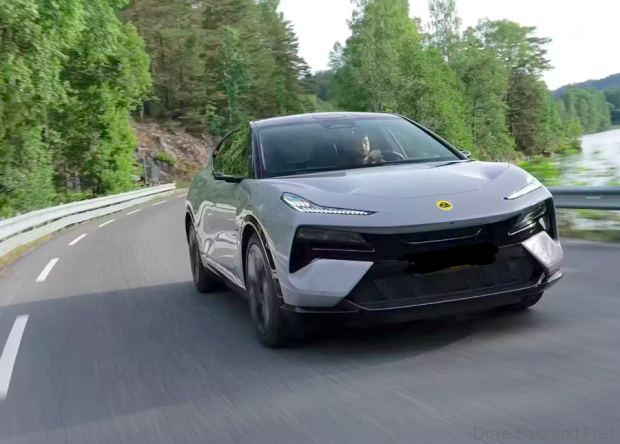
Lotus’ Geely sibling Volvo Cars has made a similar strategy pivot. From an initial target to be all-electric by 2030, it is now looking at 90 to 100% of cars to be “electrified” by 2030.
It is worth noting that the Volvo EX90 BEV is made in Ridgeville, Berkeley County, South Carolina, so may prove to be a bright light in electric cars from Chinese-owned manufacturers.