


EV sales may not see the same kind of explosive growth in 2026 even with rising fuel prices and shrinking subsidies.
Following a massive surge in 2025, where electric vehicle (EV) registrations in Malaysia soared past 44,813 units—representing over 100% growth—the market is poised for a significant shift in 2026. However it’s possible Malaysia’s adoption of EVs will see some stragnation and not the unchecked rise seen in markets like Australia. The Total Industry Volume (TIV) for all vehicles is expected to ease by approximately 5%, signaling a period of moderating growth for Malaysia.
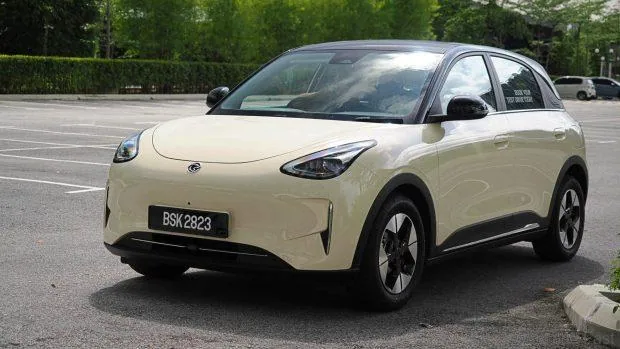
Malaysia EV Sales 2026: The “Reality Check” After the Boom
The primary catalyst for the predicted slowdown is the expiry of the 100% duty exemption for fully imported (CBU) EVs. This incentive, a major driver of the 2025 boom, ended on 31 December 2025. As of 1 January 2026, CBU vehicles are now subject to significant duties, including up import taxes, excise duties, and Sales and Service Tax (SST), plus artificial price floors set up to protect established players.

While this policy change was ostensibly made to necessitate a rapid transition to locally assembled (CKD) vehicles, the reality is that CKD EVs aren’t free to be priced so liberally either. Over the weekend, reports were published indicating BYD Malaysia’s local assembly plans may be stalled due to an impasse with MITI. It may indicate that only Proton, Perodua, TQ Wuling and perhaps a handful of other players will be allowed to price EVs competitively in our market in future.

Beyond the transition in tax policy, several fundamental challenges will continue to temper adoption. Unlike Australia’s broader consumer-led shift, growth in Malaysia remains largely driven by the sub-RM100,000 segment and national brands, highlighting a persistent affordability gap. With only a handful of options available, Malaysian car buyers may adopt a wait and see stance while the government decides if it wants to be serious about more EVs on the road.

Infrastructure remains an obstacle, with the target of 10,000 public chargers by the end of 2025 proving to be an “illusive goal.” Furthermore, the continuation of RON95 petrol subsidies reduces the financial incentive for many Malaysians to make the switch to electric.
ICE vehicle owners worried about rising fuel costs may also find it financially unsound to take on huge amounts of household debt in order to transition to an EV. Prospective buyers also remain cautious due to concerns over the high depreciation and resale value of older EV models compared to traditional internal combustion engine (ICE) vehicles. For now, EV ownership remains concentrated in major urban centers with better charging access.

