


The Malaysian government has announced that key fuel subsidies will remain in place but new monthly quotas and purchase limits are being introduced.
As the global energy landscape faces continued uncertainty, Prime Minister Anwar Ibrahim has unveiled a series of measures designed to ensure national resilience while protecting the majority of the population from rising costs. Central to this announcement is the confirmation that BUDI95 petrol will remain at the subsidized price of RM1.99 per liter.

New Quotas and Targeted Protection
Starting April 1, 2026, a monthly quota of 200 liters for BUDI95 will be introduced, down from 300 litres when the targeted subsidies began in September 2025. Data suggests that this measure will not affect approximately 90% of Malaysians, as the average monthly consumption currently sits around 100 liters.
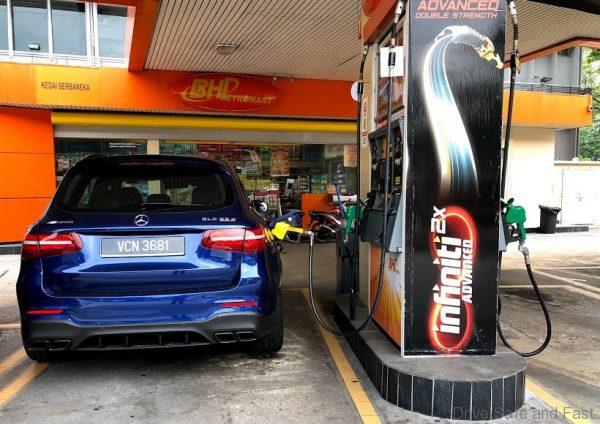
The government has also maintained strong support for the transport sector. E-hailing drivers will continue to benefit from a substantial subsidy of 800 liters per month, ensuring that public transport and delivery costs remain manageable for both service providers and consumers. These temporary measures remain subject to review based on future global economic developments.

Diesel Regulations in East Malaysia
Specific regulations have been announced for Sabah, Sarawak, and Labuan, where the subsidized diesel price is maintained at RM2.15 per liter. To manage supply more effectively, new purchase limits per transaction will be enforced from April 1, 2026:
- Light Vehicles: 50 liters per purchase (includes private, public, and goods vehicles).
- Public/Goods Transport (under 3 tons): 100 liters per purchase.
- Heavy Vehicles (over 3 tons): 150 liters per purchase.
Combating Subsidy Leakage
The Prime Minister emphasized a “zero compromise” policy regarding the misappropriation of fuel subsidies. Enforcement agencies have been directed to intensify integrated operations, particularly in border areas, to crack down on smuggling and profiteering. Citizens are encouraged to play an active role by reporting any suspicious activities at petrol stations to the authorities.

The Work From Home (BDR) Initiative
In a parallel move to reduce energy consumption and ease the financial burden on commuters, the government is reintroducing the Work From Home (BDR) initiative.
- Public Sector: Implementation will be carried out in stages for selected departments, with further details to be announced soon.
- Private Sector: Private companies are strongly urged to answer the government’s call and adopt BDR practices where possible to support national energy-saving goals.

These multi-pronged strategies—combining targeted subsidies, strict enforcement, and flexible working arrangements—reflect the “Malaysia Madani” vision of balancing economic sustainability with social welfare.

