

Yesterday, FGV Biotechnologies launched their B100 biodiesel campaign. B100 is 100% palm oil derived biodiesel. Could this be an opportunity for the Korean car brands?
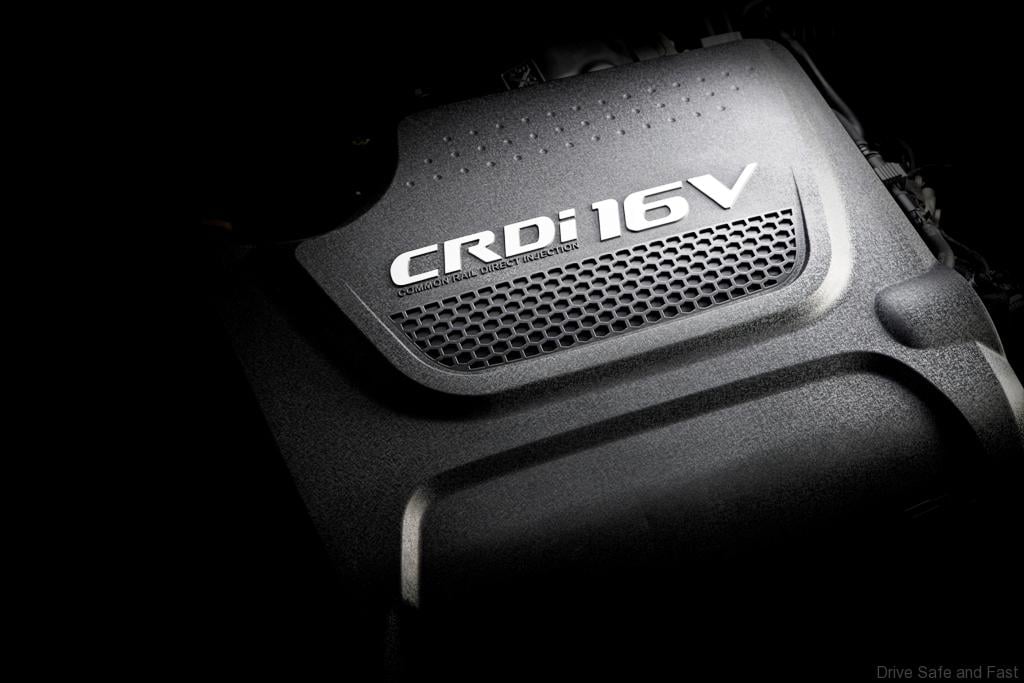
In the last few months, Korean carmakers Hyundai and Kia have independently set up national sales companies. Both have local-assembly operations running and are likely to expand these CKD operations as they see fit. There’s one major problem though – the price of diesel and their over-reliance on diesel vehicle sales. Based on 2025 sales data, 65-85% of Hyundai and Kia vehicles sold in Malaysia were powered by a 2.2L turbo diesel engine. While the drivetrain itself is super efficient and could deliver competitive running costs last year, the conflict around Iran has caused the price of diesel to rise beyond RM6/L. There’s really no getting around the financial pain of an RM400 tank of fill up, even if it returns 1000km.
The solution may come from an unlikely source – FGV Biotechnologies. Yesterday, they launched their B100 pilot project. B100 is 100% palm oil derived biodiesel.
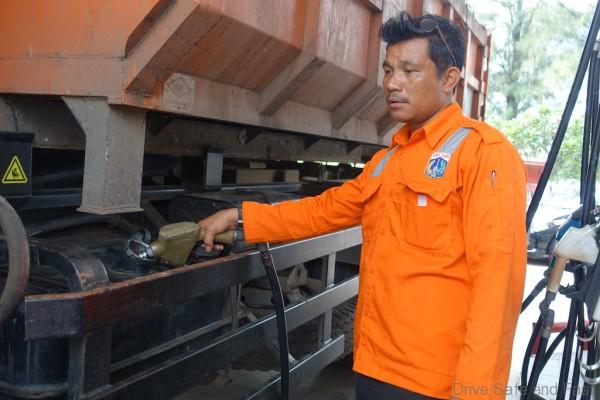
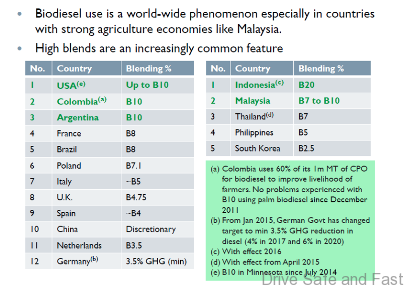
At the pumps, most diesels offered to the public are either B7 or B10, signifying either 7% or 10% palm oil derived biodiesel content. The push towards biodiesel is one that ties to national energy security goals and it also helps keep demand for our palm oil industry a little higher in case CPO prices fall globally. The push towards adapting B10 biodiesel really came in 2017 when the Malaysian Palm Oil Board (MPOB) initiated a campaign to educate the public on its viability.

While Japanese manufacturers and the Japan Automobile Manufacturers Association at large have worked pretty closely with MPOB to certify biodiesel blends for use with Japanese pick-up truck engines, we think there’s an opportunity for the Korean car brands to take the next logical step in supporting the B100 pilot project. B100 fuel is projected to be priced at RM4.50 per litre. While it probably won’t displace B7 or B10, it’s a useful back-up plan should the crisis in the Middle East devolve further.
Hyundai and Kia can show MITI their earnestness in boosting local R&D efforts by putting their resources into the project and future owners may even have the option of more affordable fuel with a lower sulphur dioxide emissions and maybe even a lower price per litre.

