

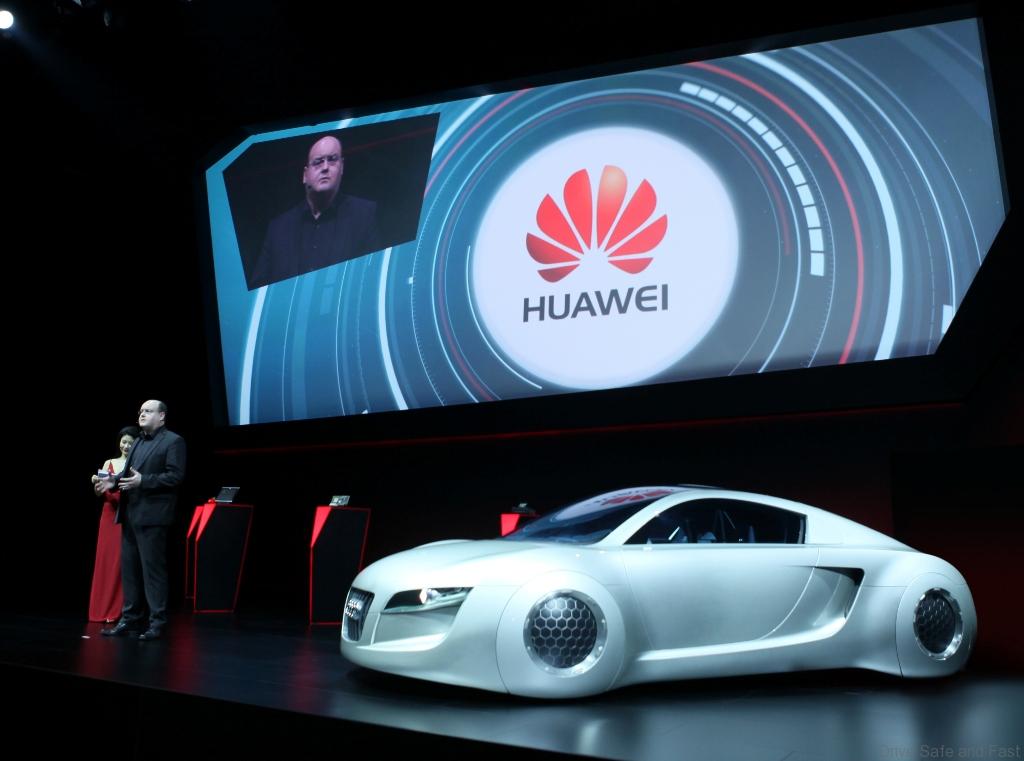
Huawei has a patent for groundbreaking solid state battery.
Huawei has filed a patent for a groundbreaking sulfide-based solid-state battery, marking a bold move into the next generation of electric vehicle (EV) energy storage. The patented technology claims to deliver a range of up to 3,000 kilometres and ultra-fast charging in just five minutes—potentially revolutionising EV performance and convenience.

The new battery architecture features an impressive energy density of 400–500 Wh/kg, up to three times higher than conventional lithium-ion batteries. To address long-standing safety and stability issues with sulfide electrolytes, Huawei proposes doping them with nitrogen. This innovation is expected to reduce harmful side reactions at the lithium interface, boosting both safety and battery lifespan.

Although Huawei does not manufacture batteries, the company has been increasingly active in upstream battery material research. In early 2025, Huawei also filed a patent for sulfide electrolyte synthesis—highlighting a strategic focus on critical battery components. This aligns with a growing trend among Chinese tech and EV firms, such as Xiaomi and Nio, aiming to reduce reliance on major battery suppliers like CATL and BYD.

Globally, solid-state battery development has been led by companies like Toyota, Panasonic, and Samsung. However, China is rapidly catching up. Public data shows Chinese firms now account for 36.7% of global solid-state battery patent filings, with over 7,600 applications annually. Domestic companies like CATL and Beijing WeLion are preparing for pilot production of solid-state and hybrid batteries, pushing closer to commercialisation.

Despite the hype, challenges remain. Solid-state batteries still face limitations such as lower ionic conductivity, high interfacial resistance, and steep production costs—estimated at USD 1,100–1,400 per kWh. Furthermore, Huawei’s claimed performance figures remain theoretical without supporting infrastructure.
Nevertheless, Huawei’s entry signals serious momentum in China’s pursuit of battery innovation leadership. If scalable, these breakthroughs could transform electric mobility—eliminating range anxiety, slashing charge times, and empowering tech firms with greater energy autonomy.

