

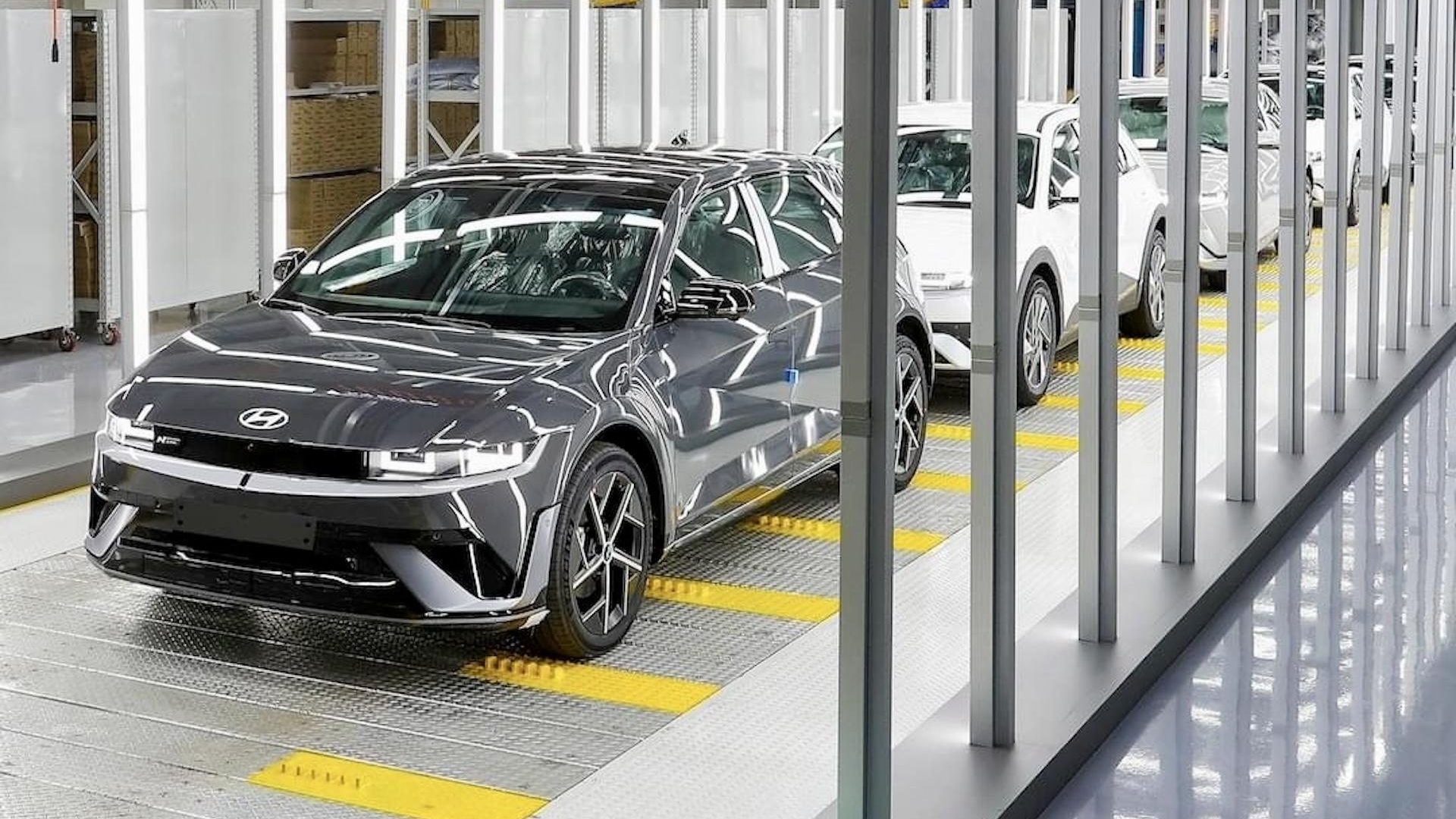
Can we learn anything from the recent Hyundai ICE raid in the USA?
The Malaysian automotive industry is undergoing rapid transformation, driven by the influx of new car brands setting up local assembly operations here. As news breaks of the ICE raid on the Hyundai raid in Georgia, we think about how reliant the Malaysian automotive industry relies heavily on both skilled and unskilled foreign labour.

From assembly line technicians to skilled engineers, foreign workers play a vital role in keeping production moving. Malaysia’s labour force has long included migrant workers from neighbouring countries such as Indonesia, Bangladesh, and Myanmar. Increasingly, with the localisation of global EV projects, highly skilled foreign engineers—especially from China and Korea—are also being brought in to support battery manufacturing, hybrid technology, and new energy vehicle assembly.

But the use of foreign labour is not without controversy. The ICE raid in the US is proof of that. Earlier this month, they detained nearly 475 workers at an LG Energy Solution plant near Hyundai’s $12.6 billion EV complex in Georgia. Of those, about 300 were Korean engineers sent to help build advanced battery systems. Reports described “hell-like conditions” in detention, including shackling, poor food, and inadequate medical care. The incident has sparked outrage in South Korea, where public opinion has shifted against U.S. products, with some consumers cancelling Tesla orders in favour of Hyundai EVs.

For Malaysia, the lesson is clear: as the automotive sector grows more dependent on foreign expertise, labour rights and protections must be prioritised. Unlike low-skilled migrant labour, skilled foreign engineers are increasingly necessary for EV battery plants, premium vehicle assembly, and local R&D hubs. However, failure to safeguard their well-being could damage Malaysia’s reputation as a regional automotive hub.
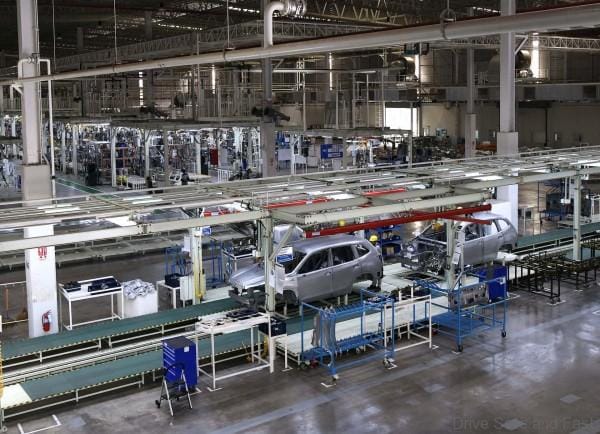
Already, Chinese automakers such as BYD, GWM, and Chery are expanding operations in Malaysia, with plans for local assembly. These projects will inevitably require foreign specialists alongside Malaysian talent. They may even require ‘cheap’ foreign labour on the assembly lines. There are two issues to think about here: one, are car companies really doing all they can to hire locally or are they being allowed to hire foreign workers out of convenience. Second, are all foreign workers given adequate protection and decent living conditions?

On a personal note, I’ve often wondered what is the point of local assembly if not of the job opportunities it creates in the local manufacturing sector. After all, it probably is much cheaper for cars to be fully imported than locally assembled if not for the tax structure around CBU/CKD operations. If most of the local assembly is being done by foreign workers, then doesn’t this just shift an unnecessary cost burden to the consumer?

