

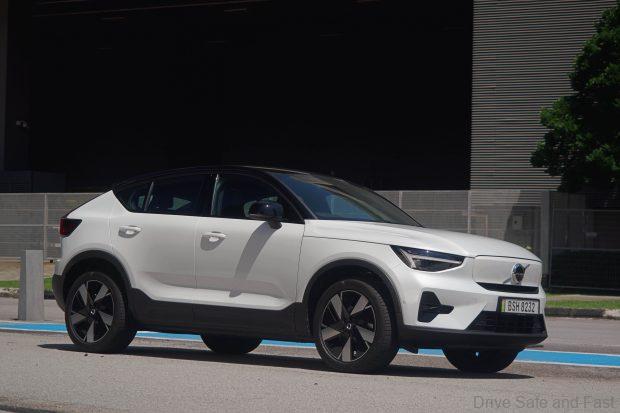
The Volvo EC40 RWD gives you a decent EV at a decent price, but it’s no longer class-leading in spec.
The electric coupe-SUV from Sweden is back, but with a new name and a significant price correction. The model formerly known as the C40 Recharge is now simply the Volvo EC40, a subtle change that perhaps signals a slightly more elegant naming convention. The biggest headline, however, is the price: the new Rear-Wheel Drive (RWD) variant is RM40,000 cheaper than the all-wheel-drive (AWD) version previously offered.
This cost reduction comes with several key specification changes, shifting the focus of the compact EV series.
Performance and Range Adjustments
The core difference lies in the powertrain and battery size. The shift to a single-motor, RWD configuration drops the power output significantly to 238 hp. This means the 0-100 km/h sprint now takes 7.3 seconds.

While still fast, this is a noticeable step back from the neck-snapping acceleration of the original C40 and XC40 Recharge models, which debuted with over 400 hp and could hit 100 km/h in under five seconds.
Unfortunately, the cost-saving also introduced a smaller battery pack. The EC40 RWD uses a 70 kWh battery, down from the 82 kWh pack seen in the last C40 update. Even with the more efficient single motor, the maximum range settles at 488 km. Although this figure is still extremely respectable for a compact EV, it falls short of the previous iteration’s impressive 550 km range.

Design and Technology: Subtle Changes
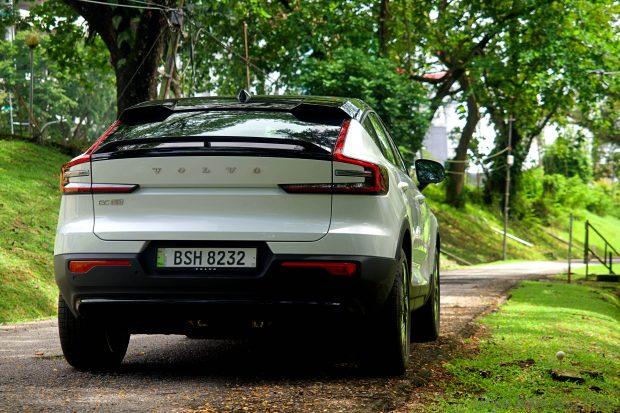
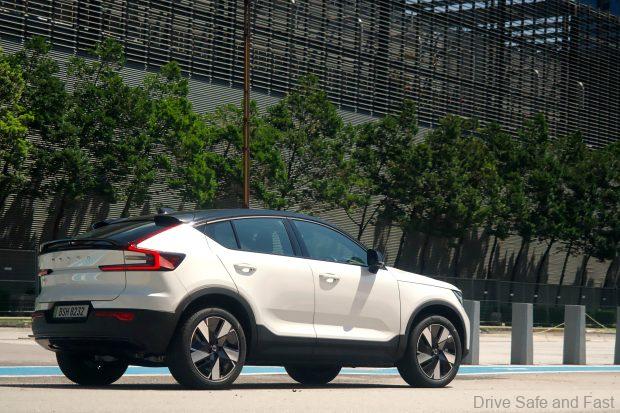
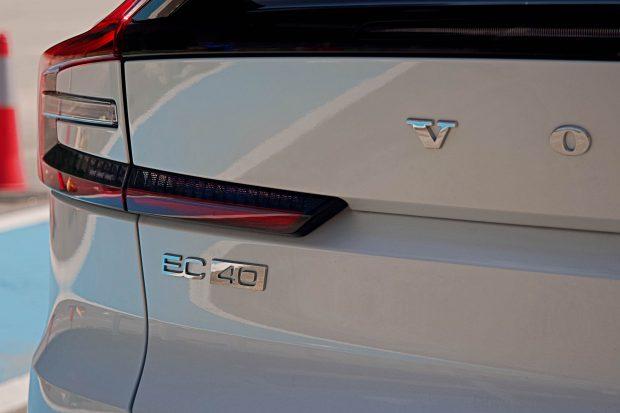
Aesthetically, the changes are minimal. The new Sand Dune colour is now an option, though our test unit was in Crystal White. The only way to visually confirm this is the latest version is to check the badge, which now reads EC40 instead of C40 Recharge.
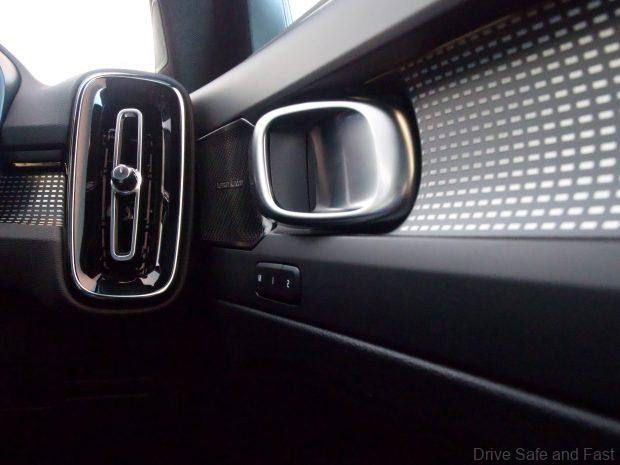
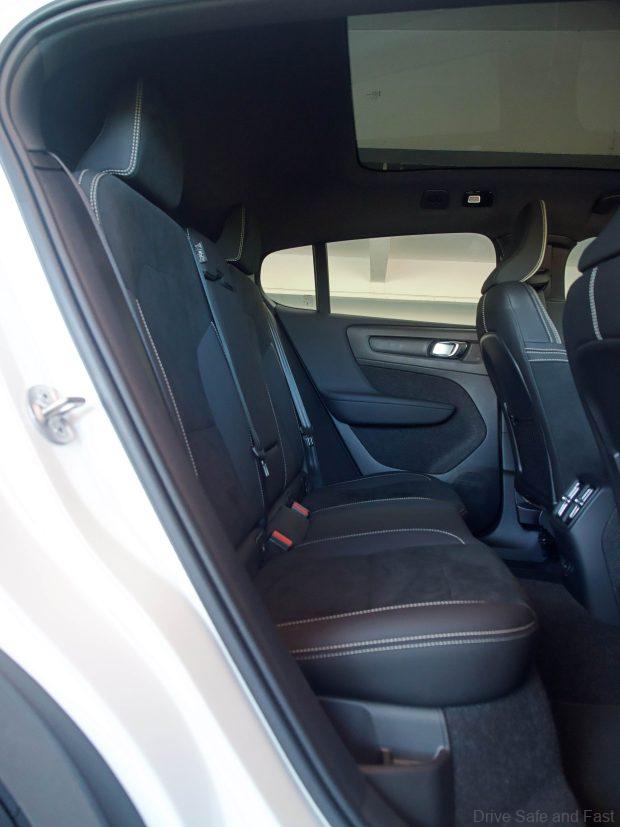
Inside, Volvo maintains its commitment to a completely leather-free interior, featuring synthetic microfibre that retains a premium feel. The most obvious interior change is the new ‘Cutting Edge’ accent trim, replacing the previous abstract topographical inlay. To our eyes, this trim option doesn’t look new. In fact, it looks suspiciously like the the inlay fitted to the original XC40 R-Design petrol model from 2018.
Volvo states the digital interface has been substantially revised, yet the changes are so subtle they are barely noticeable—which could be attributed to good design work. From our experience with the car, we see that the drive mode and climate controls now are a little more accessible from the main screen. Besides that, it’s hard to tell what has been moved around.
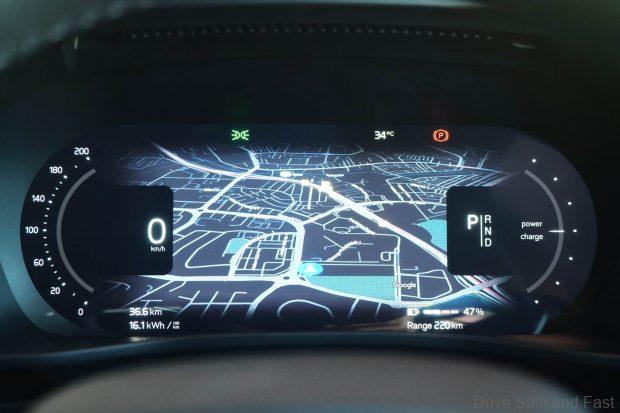
The Google Built-In system remains a strong point, with the Google Assistant capably handling natural language commands for navigation. We were quite happy to use this and the built-in Google Maps instead of Apple Carplay as it gave us ‘remaining battery’ predictions with navigation and mapped out real-time charger availability information along the way.
The Verdict: A Conflicted Position
The Volvo EC40 RWD remains a comfortable, competent, and premium-looking vehicle with a highly respectable range. However, by cutting back on both headline selling points—raw power and maximum range—the EC40 RWD now sits in a strange place in the rapidly evolving EV market.
Remember that with the previous iterations, Volvo had themselves a compact EV with some of the best range and power output in class.
While the RM40,000 price drop is welcome, the vehicle’s price still places it in a premium segment. One wonders whether most EV buyers, who prioritize performance and range, might opt for a full-spec EV from a younger, more aggressive brand over this entry-level premium option.
There will no doubt be many who value Volvo’s wide sales and service network and established brand reputation. However, the ultimate success of the EC40 RWD will be measured by its sales numbers.