


Chinese EV price war intensifies in Thailand amidst production quota pressure.
Chinese electric vehicle (EV) manufacturers are engaging in an escalating price war in Thailand, with deep discounts being offered across core models. This aggressive pricing strategy is driven by a combination of intense domestic competition and the urgent mandate to meet local production quotas tied to government incentives.
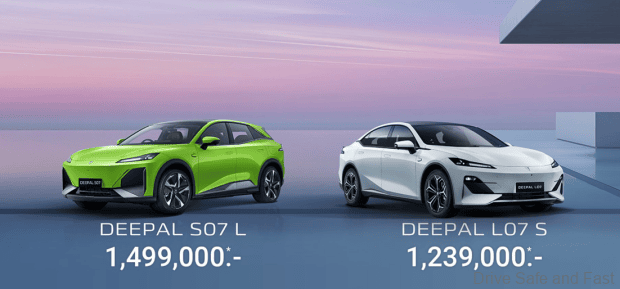
The Thai market is currently experiencing highly aggressive pricing tactics from Chinese EV manufacturers. BYD, a major player, has reduced prices on its Seal sedan by as much as 38%. To safeguard consumer confidence amidst repeated cuts, BYD is offering compensation to early buyers should further price reductions occur during the year.

Rival manufacturers have adopted similarly sharp tactics. SAIC Motor has discounted its MG4 model by 27%, while Chery’s Jaecoo J5 entered the market with promotional pricing that secured nearly 20,000 orders despite a two-month delivery wait time. Showroom traffic has reportedly been unusually strong, correlating with a jump of more than 20% in EV sales during October and November, accelerating the shift away from long-dominant Japanese brands.

The Role of Incentives and Inventory
Industry participants caution that this sales surge is primarily being fueled by the manufacturers’ strategic needs rather than a sudden, organic spike in underlying consumer demand. The key drivers are identified as the need to clear existing inventory and the pressing obligation to meet local production targets.

This pressure point is directly linked to Thailand’s EV incentive framework. The government offers subsidies of up to 150,000 baht per vehicle. In exchange, manufacturers must commit to strict local production quotas or risk having to repay the support. With approximately 30,000 vehicles required to be produced domestically in the final two months of the year, authorities have already extended some deadlines to ease the burden on manufacturers.

However, the continuous stream of price cuts is now beginning to negatively affect buyer confidence, creating a consumer expectation that waiting longer will unlock even better deals. Dealers are reporting selling vehicles at cost or even at a loss just to sustain sales volumes. With tighter auto-loan conditions and an overall softer economic backdrop adding friction, industry advisers warn that the current excess supply may lead to a temporary pause in purchases once the immediate quota pressure subsides. Analysts conclude that stricter government policies and rising production obligations in the coming years may maintain this pricing pressure, suggesting the price war could be a long-term feature of the market.

