


The Zeekr 7X is probably the most high-tech and high-performance EV in its class, but do Malaysians even know what a Zeekr is?
The electric SUV market is becoming increasingly crowded, with the Tesla Model Y, Xpeng G6, and BYD Sealion 7 battling for dominance. However, a new contender arrived in Q3 2025 to shake up the premium segment: the Zeekr 7X.
Positioned on the larger side of the C-segment, the Zeekr 7X is a tech-focused powerhouse designed for those who want premium features without necessarily paying for a legacy luxury badge. And if you’re struggling to understand what exactly ‘Zeekr’ is and where it fits into our crowded market, let me take a minute to break it down.
Zeekr is owned by Geely – the same privately-held Chinese automotive conglomerate that owns or has a significant stake in legacy brands like Lotus, Proton, Volvo Cars, smart and Polestar. Geely also has a number of its own homegrown brands like Lynk & Co, Radar, Geometry, and Livan to name a few. Zeekr is one of the homegrown brands, but where does it belong in this group?
Well, according my Autophiles co-host Bo, Zeekr is the culmination of Li Shufu’s frustration at the lack of progress made by Polestar. Polestar used to be an independent performance company that made race cars out of Volvos. After Volvo Cars got acquired by Geely, the two had a plan to purchase Polestar outright and transform it into an electric luxury-performance brand with some Volvo derived technology and Geely derived production.
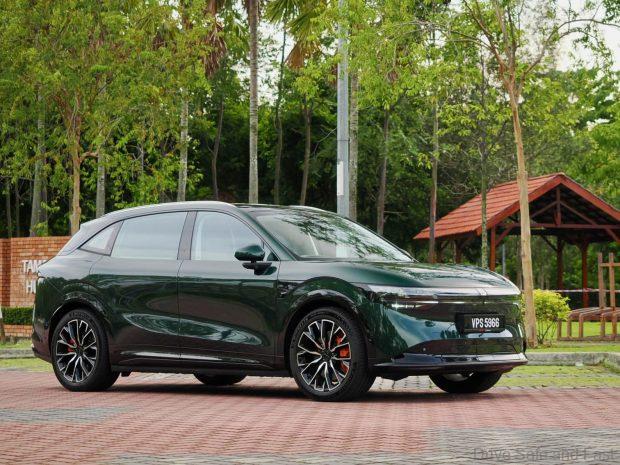
Unfortunately after years of operations, Geely boss Li Shufu was dismayed at not only Polestar’s sales numbers but also the failure of Lynk & Co’s leasing business model. Thus, Zeekr was created so that Geely could have its own go at electric luxury-performance with Lynk & Co models being restyled and repurposed for this new brand. The 7X is actually one of the first Zeekr models to break away from the mould, which is why it doesn’t have the funky DRL shapes found on the 009 and X.
The results have been rather promising in China and beyond. Though Zeekr has yet to reach the brand clout or sales numbers of BYD, their products are seen as extremely cutting edge and very competitive against the best in the segment. Their Sino-Scandinavian understanding of luxury, tech and design blends is really quite unique and sometimes they nail every aspect, such as with the 009 MPV.
Unfortunately, their path to success in Malaysia has been mired with complications. Here, it’s tough to get a grip on who’s really in charge of the brand and how serious they are about local assembly. At the start, it looked as if Sentinel Motor, who handle the Lotus Cars brand, would be handling Zeekr. However, at the last minute, Geely’s regional office stepped in instead. Sunway’s automotive arm is also involved, and there’s talk of using some of the factory capacity at Proton’s Tanjung Malim facility to carry out CKD operations. Even at the end of 2025, it’s unclear to insiders and the general public what Zeekr wants to do here and how seriously they’d like to contend for a slice of the pie.
So now that you have an idea of what Zeekr is, let’s talk about the 7X. As mentioned in the introduction, this is the mainstream-premium electric SUV option and a great starting point if you are indeed new to the Zeekr way of life.
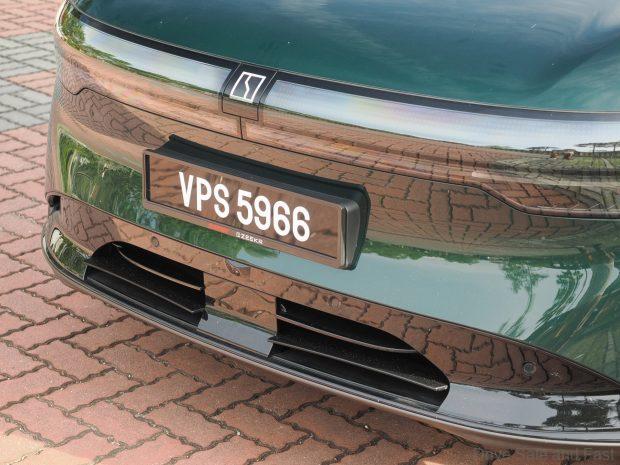
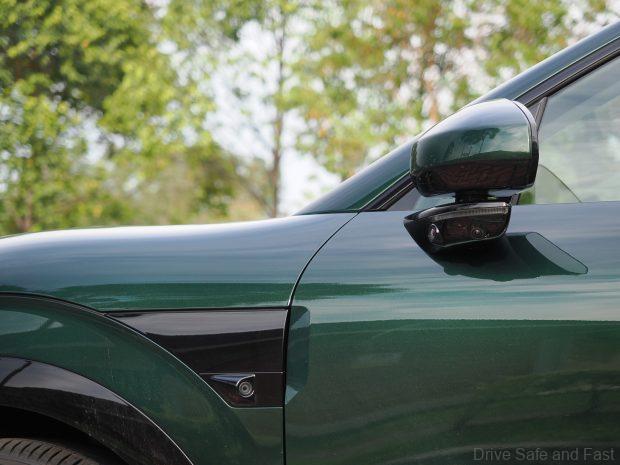
The car features a clean and minimalist design philosophy with a darkened front light housing strip being its strongest unique identifying feature from the front. This light housing extends all the way past the front wheel arches for dramatic effect.
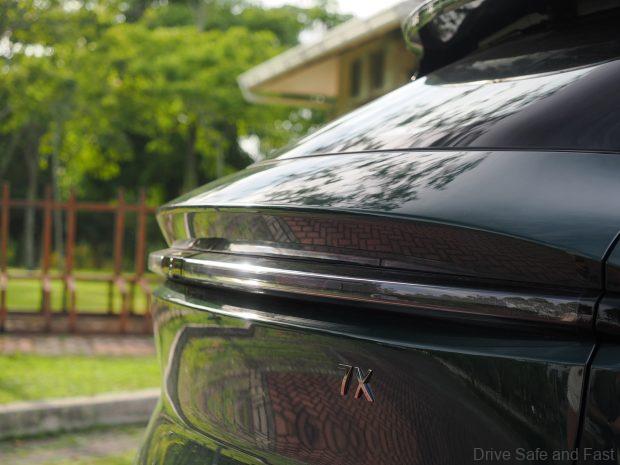
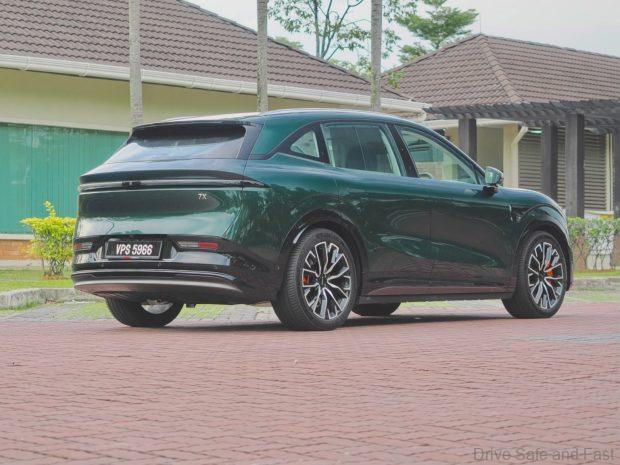
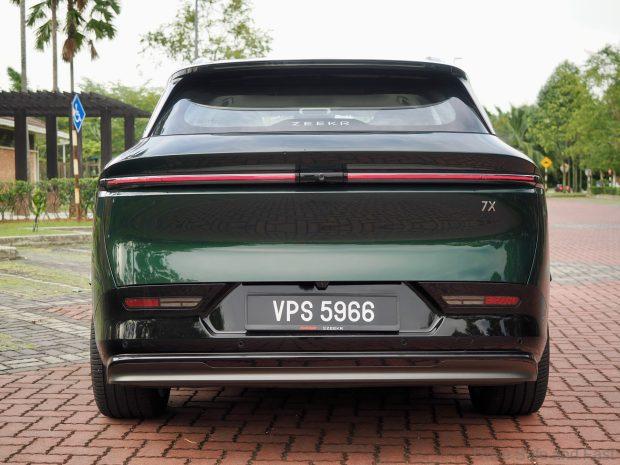
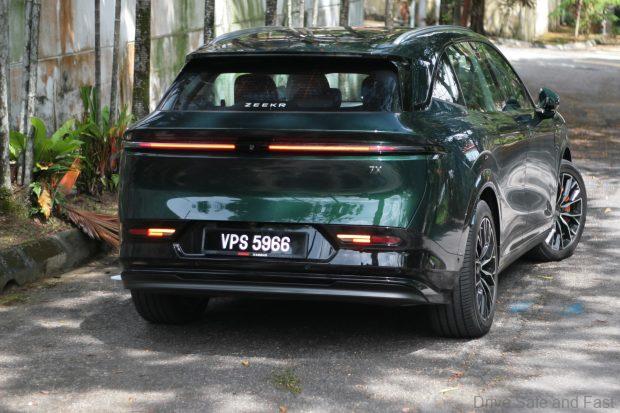
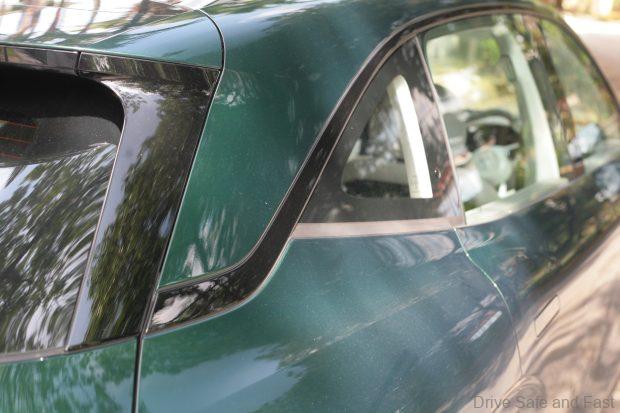
Around back the design isn’t quite as memorable. There are elements of the smart dual tone roof design near the d-pillar and the LED tail light strip at the rear is slim and forms almost a unibrow across the rear like it does on nearly every other Chinese EV.
800V Architecture: Industry-Leading Charging Speeds
The standout feature of the Zeekr 7X is its 800-volt architecture. While most EVs still rely on older 400V systems, the 7X supports DC fast charging at speeds exceeding 400 kW. In the segment, the 7X is only matched by latest Xpeng G6 in terms of this specification.
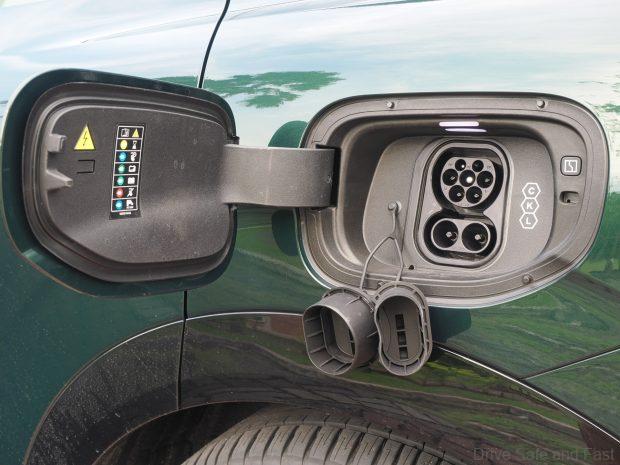
In practical terms, if you can find a charger powerful enough, you can juice up from 10% to 80% in just 10 minutes. That is roughly as fast as a traditional fuel stop, effectively eliminating range anxiety for long-distance travelers. However in Malaysia 400kW DC Fast charging is as common as clean politicians. There are a few out there, but barely enough to make a difference. Still, if future-proofing is what you’re after, this is one key specification that rivals are not likely to match any time soon.
Practicality and Boot Space
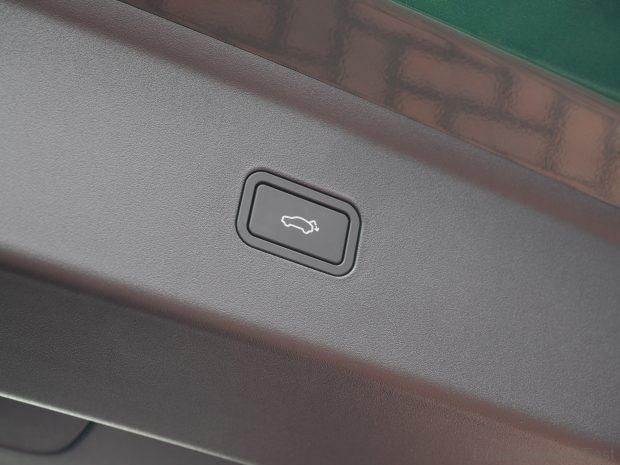
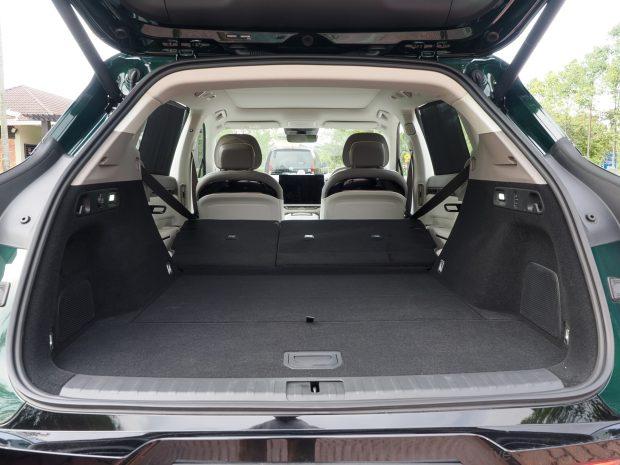
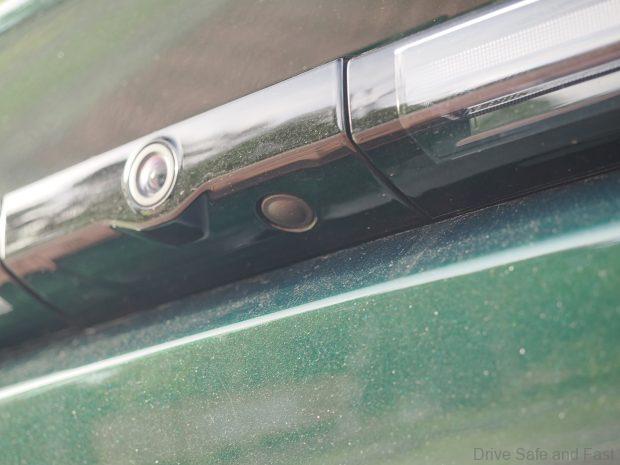
The rear tailgate is of course powered. At first glance, the boot loading height may seem high, which could make lifting heavy luggage a bit of a workout.
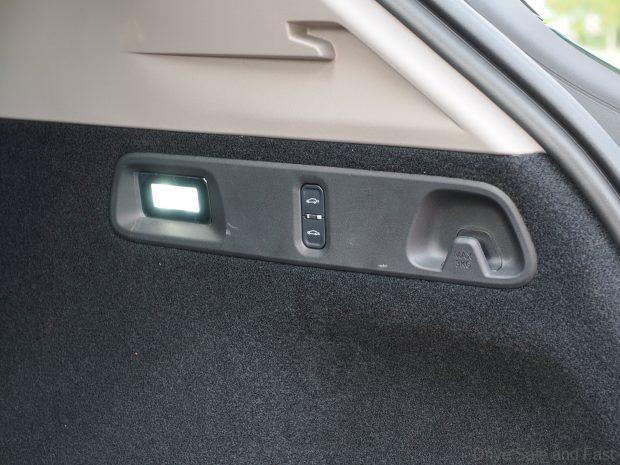
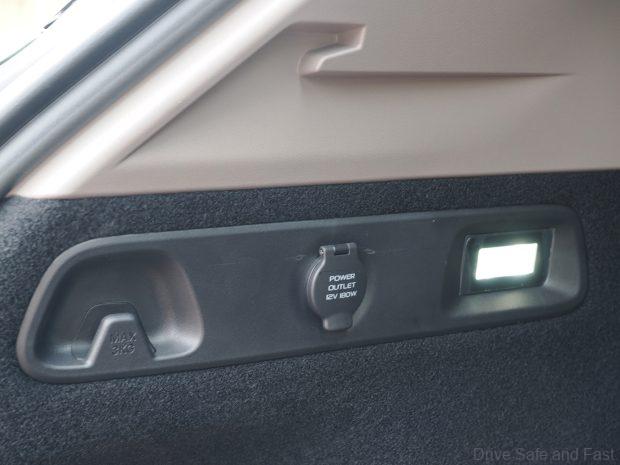
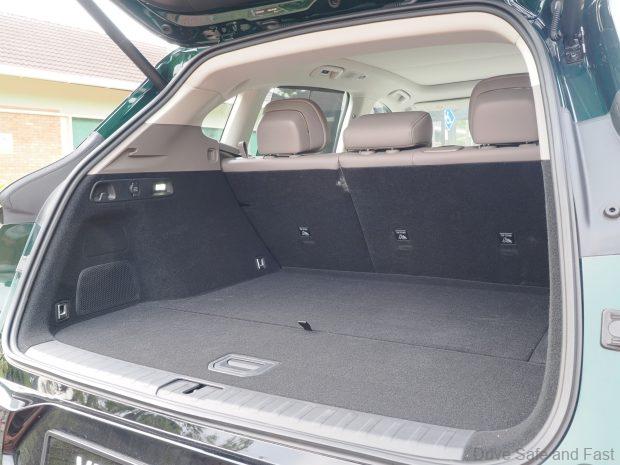
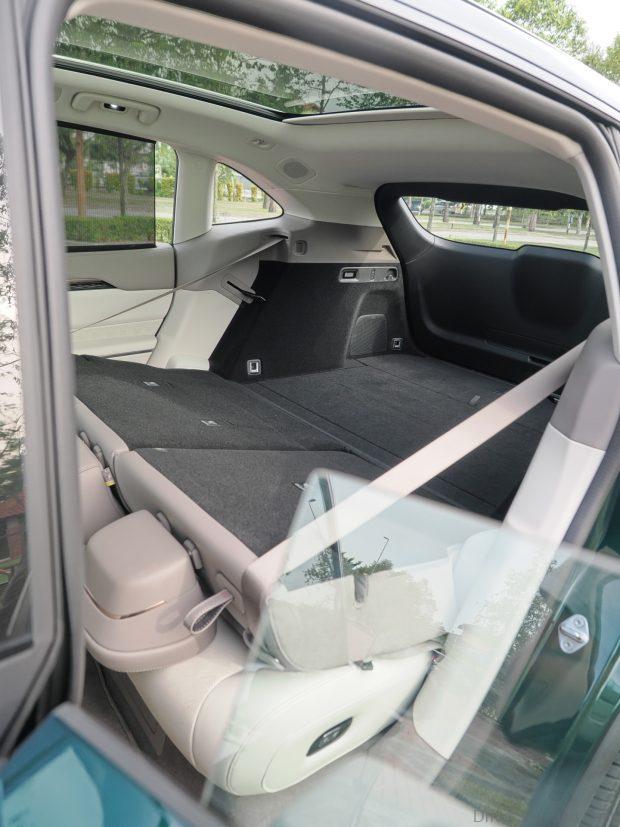
However, the Zeekr 7X has adjustable ride height and you can lower the vehicle from the rear of the car. There are a couple of compartments hidden under the boot floor that hide a massive amount of storage for charging cables and extra gear and these compartments likely form the claimed total 539L of boots pace. The boot by itself doesn’t seem to be all that large but you can also fold down the rear seats for maximum cargo hauling.
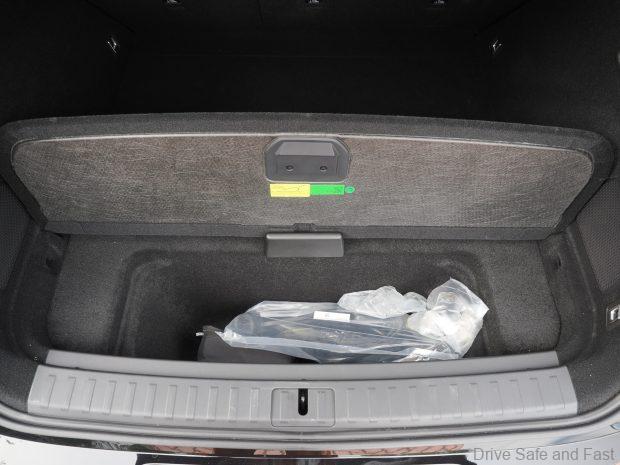
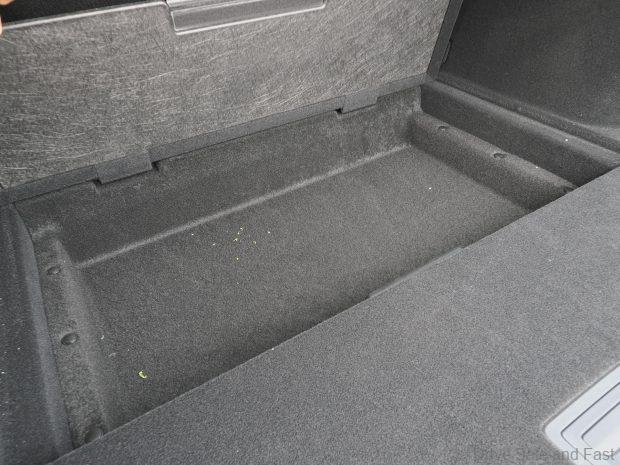
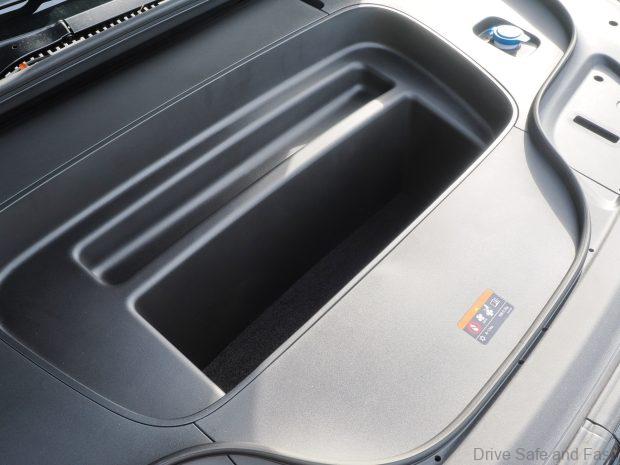
The frunk is disappointingly small, but if you use it for cables, that opens up the under floor storage in the rear for your own luggage.
One final thought – the boot release button is off centre and quite small. Once you’re used to where it is, it’s not an issue, but those unfamiliar with where it is will definitely hunt around for it.
A 21-Speaker “Sound Pro” Experience
Zeekr has taken audio in-house with the Zeekr Sound Pro system. Eschewing external brands like KEF or Bose, Zeekr packed the 7X with a staggering 21 speakers.
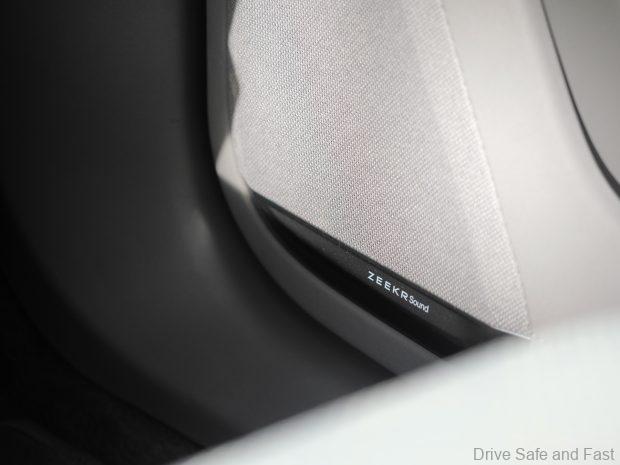
These are strategically placed throughout the cabin, including the pillars and even inside the driver’s headrest, creating a truly immersive 360-degree acoustic environment.
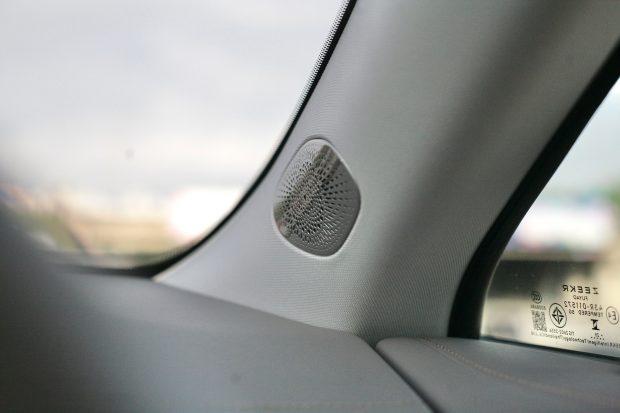
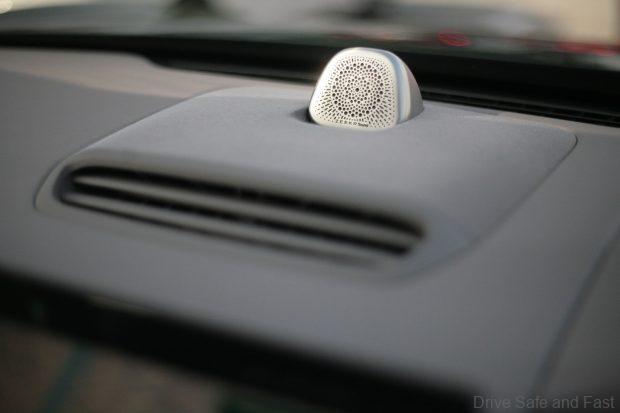
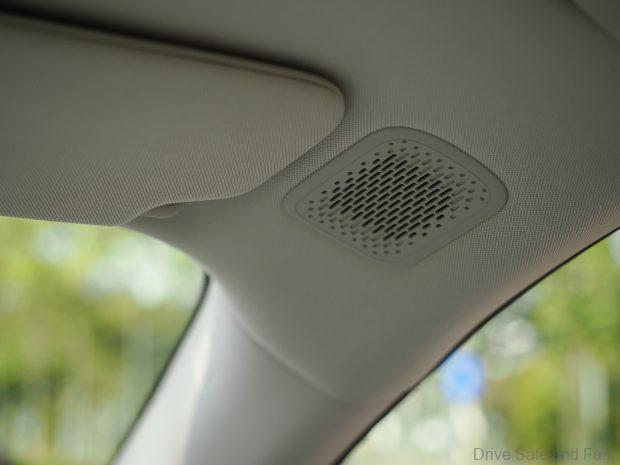
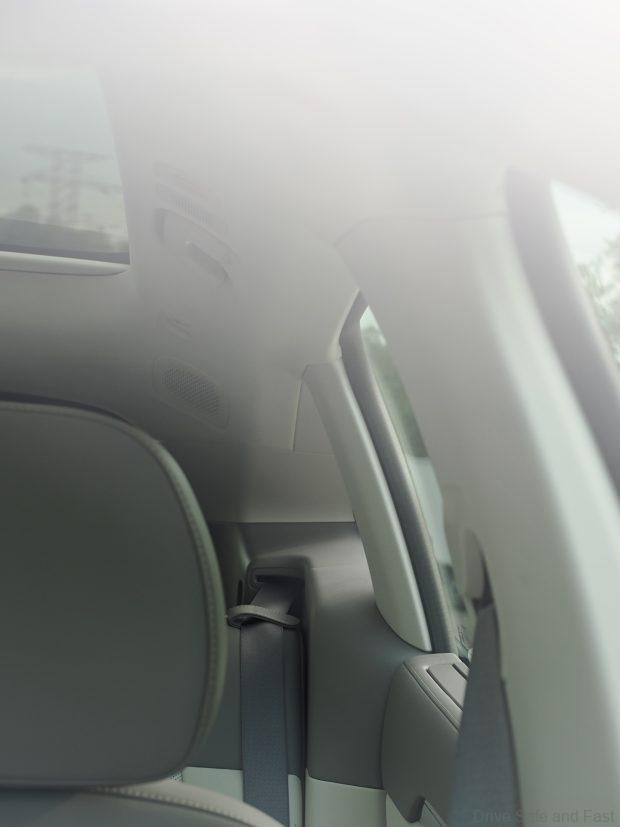
There’ll be audio snobs out there that doubt the in-house brand’s capabilities, but to our ears they sounded about as good as it gets in this segment.
Fully Automated Doors and Premium Tech
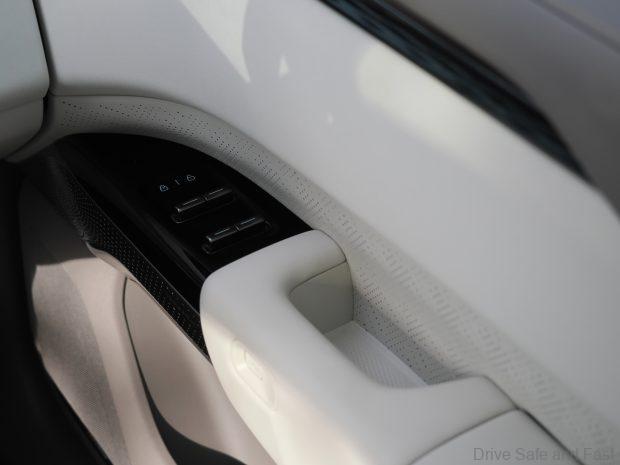
One of the most “wow-factor” features is the fully automated door system. With a simple button press, the doors open and close themselves.
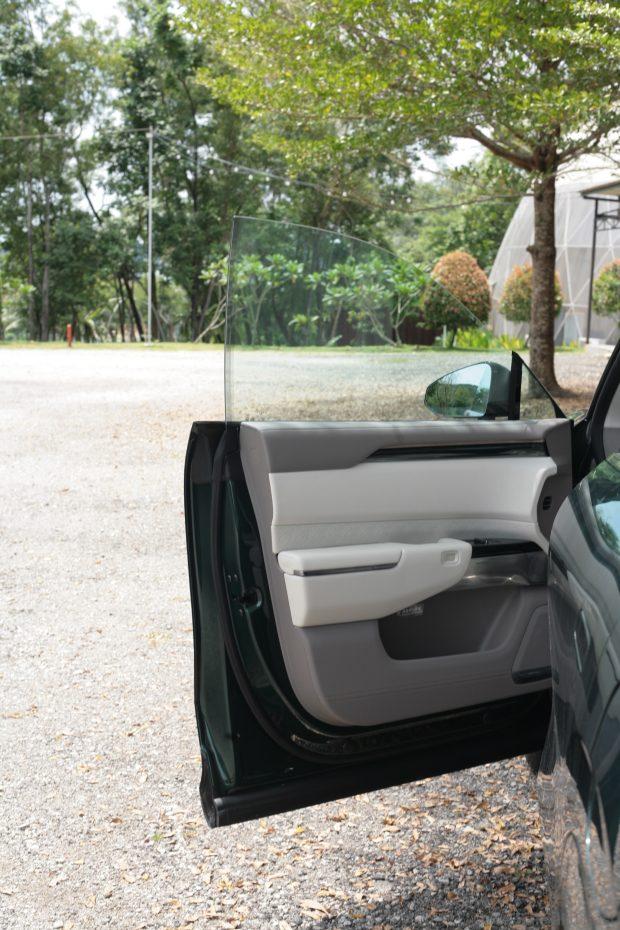
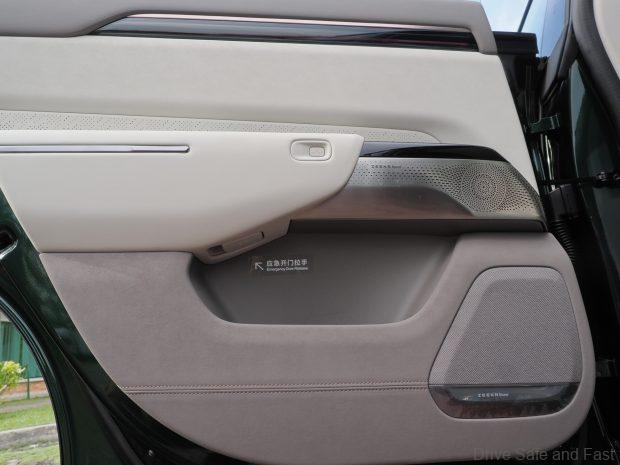
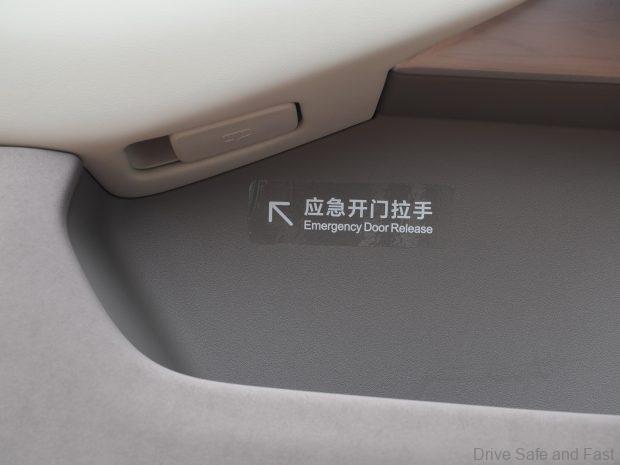
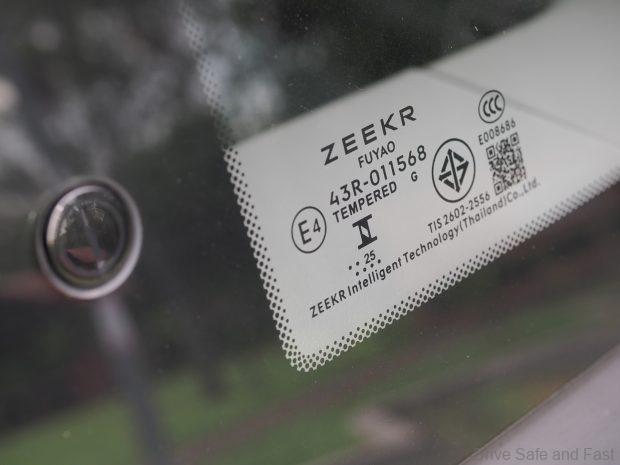
To ensure safety, the doors are equipped with sensors that stop them from hitting pillars, other cars, or people. There are also emergency door release levers, but they’re hidden out of sight, which is a concern for sure. Ultimately, you’ll have to decide for yourself if this level of complexity is worth it for a door. Fortunately, only the full spec AWD Performance model has these doors.
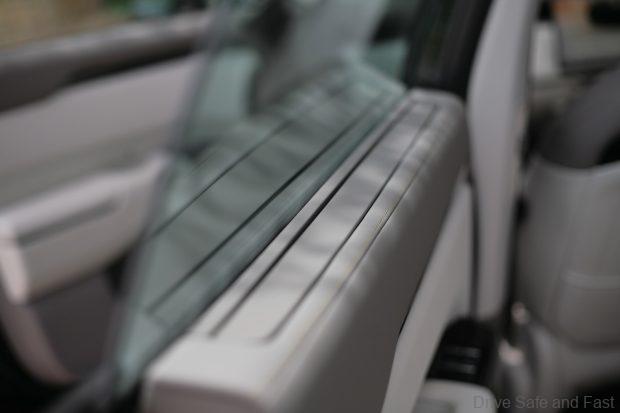
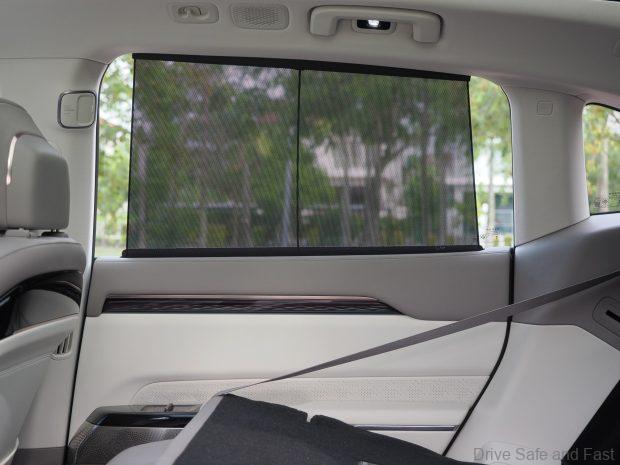
Complementing the exterior tech are frameless windows and automated rear sunshades—a luxury feature rarely seen in cars under the 300,000 Ringgit bracket.
Interior Design: Intricate Luxury
The interior is a bold departure from traditional dark cabins. Featuring a striking white and light grey colour palette, the cabin feels airy and expensive.
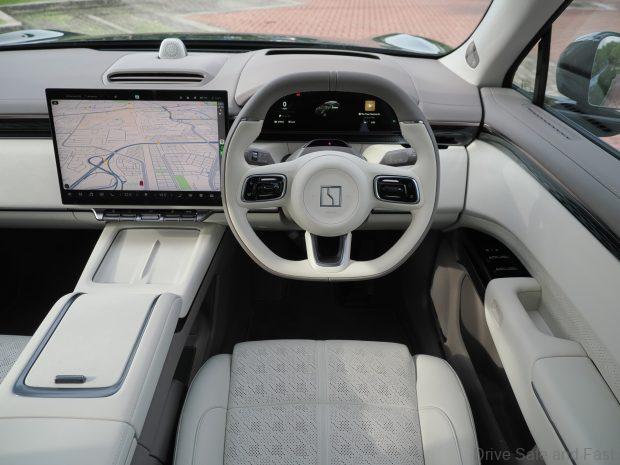
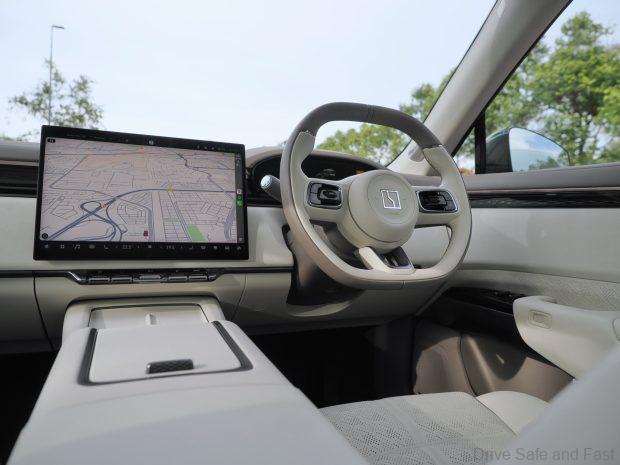
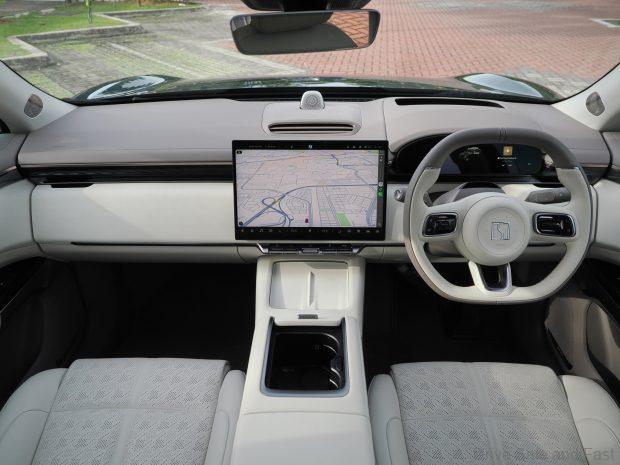
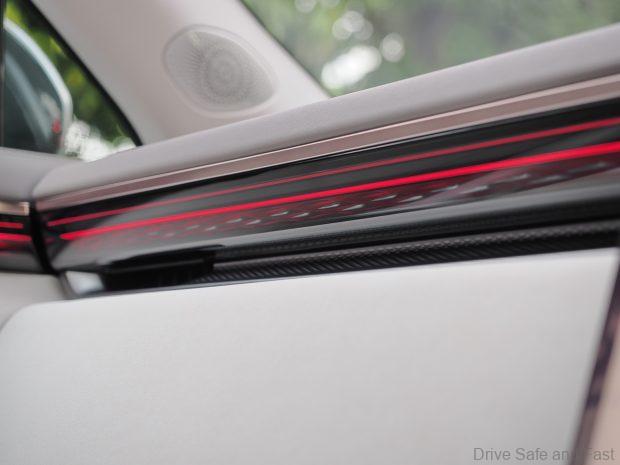
The attention to detail is evident in the multi-layered trim, which combines transparent layers, textured materials, and integrated LED lighting.
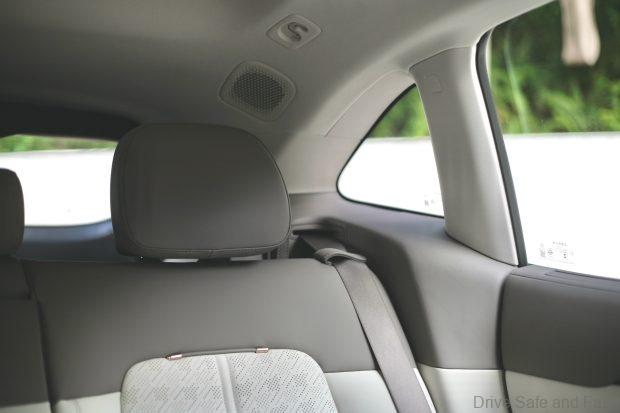
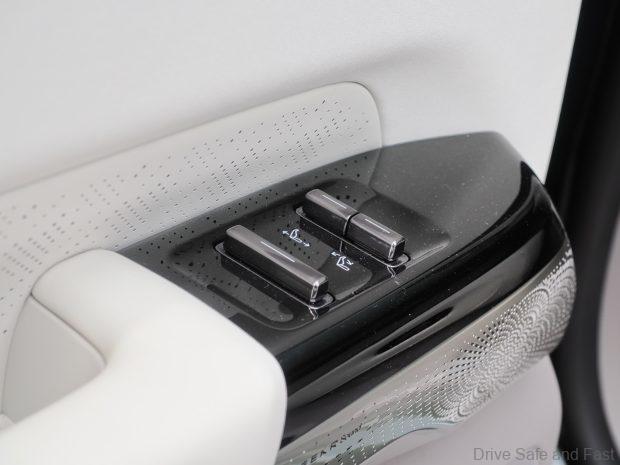
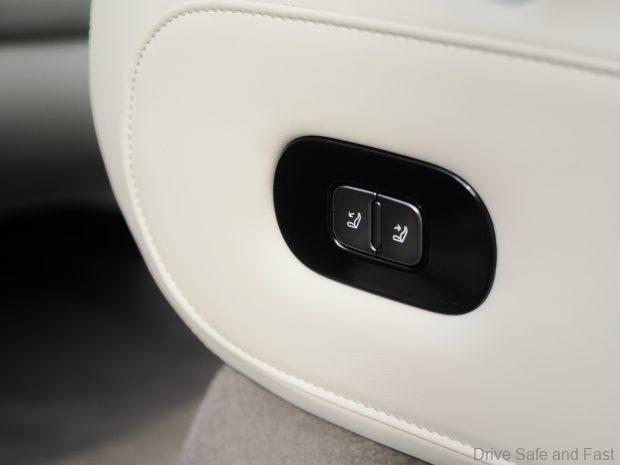
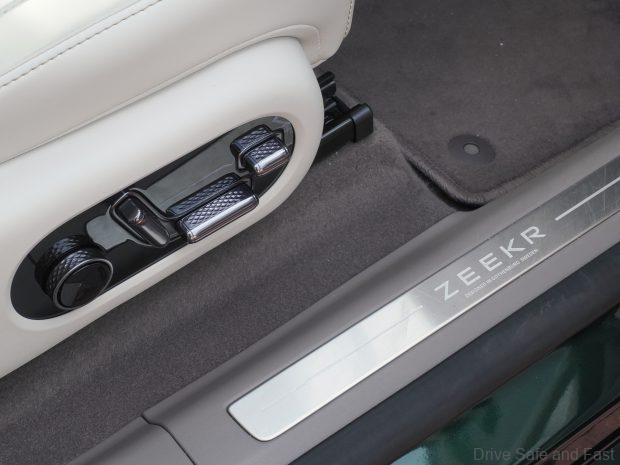
For rear passengers, the 7X offers an excellent experience. You can control the front passenger seat via “boss switches” mounted on the door and enjoy powered reclining seats.
The Modular Center Console
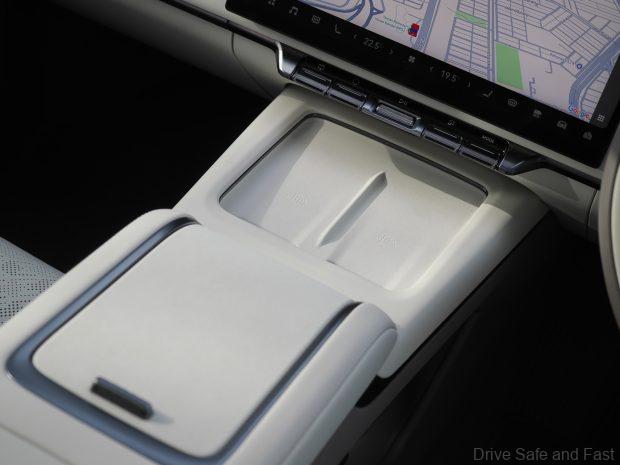
Zeekr’s innovative modular approach allows you to customize the center console. By default, it houses a storage bin, but owners can visit a Zeekr showroom to purchase an official plug-and-play fridge to replace the bin.
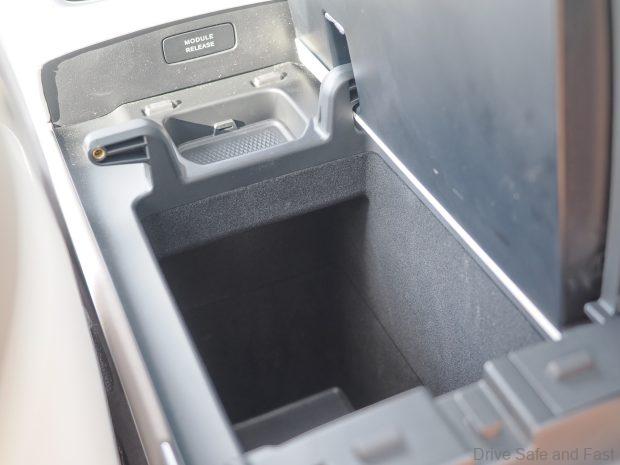
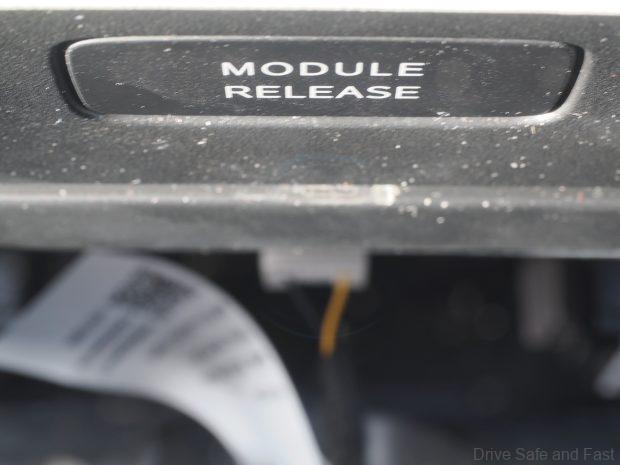
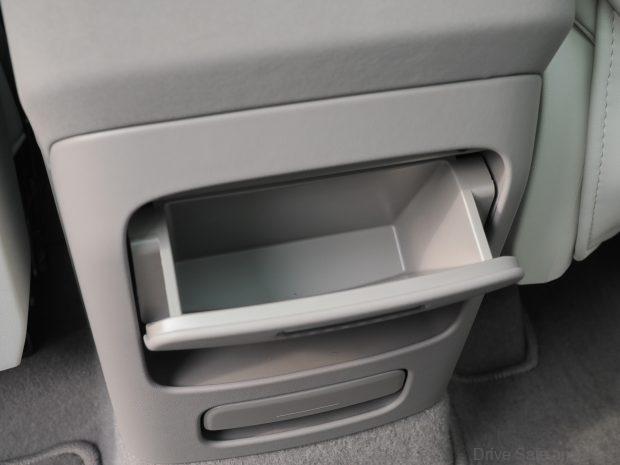
The default module lacks USB charging of any kind. These ports are found in the centre armrest instead.
The Driver’s Cockpit: Minimalist vs. Functional
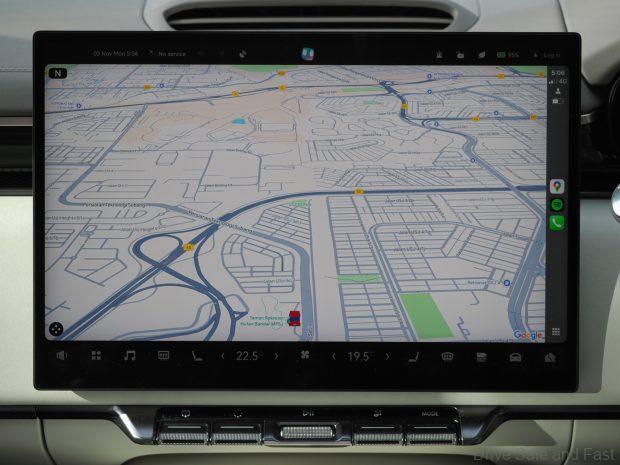
The front is dominated by a massive 15-inch touchscreen.
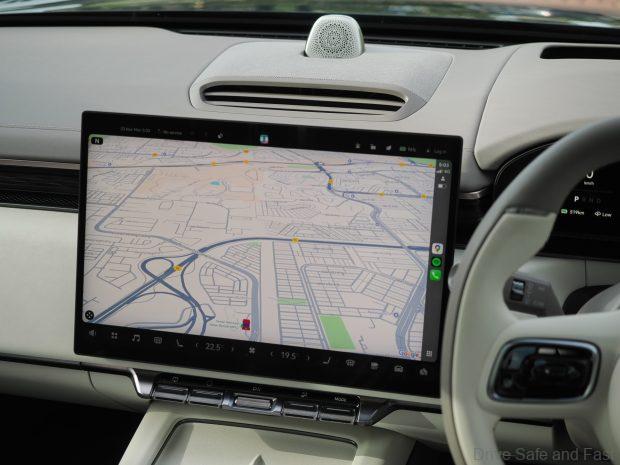
In the quest for minimalism, Zeekr has moved almost all physical controls into the screen.
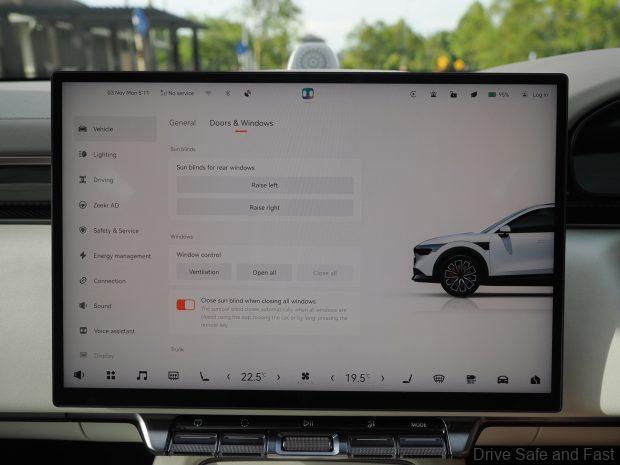
Unfortunately, this also includes:
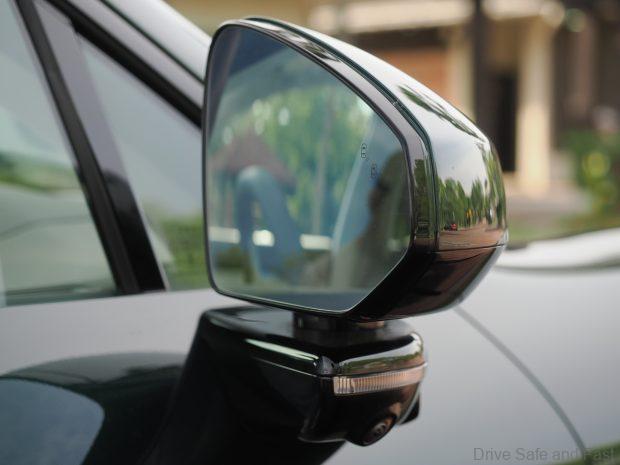
- Wing mirror adjustments
- Steering column adjustments
- Glove box release
While this creates a clean look, some drivers may find the lack of physical buttons for basic adjustments a bit “messy” during daily use. To be fair there are SOME physical buttons, but the core climate functions like fan speed, temperature and air circulation buttons are missing.
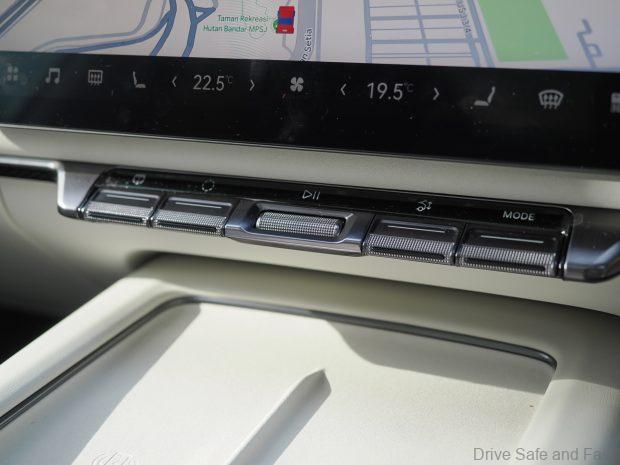
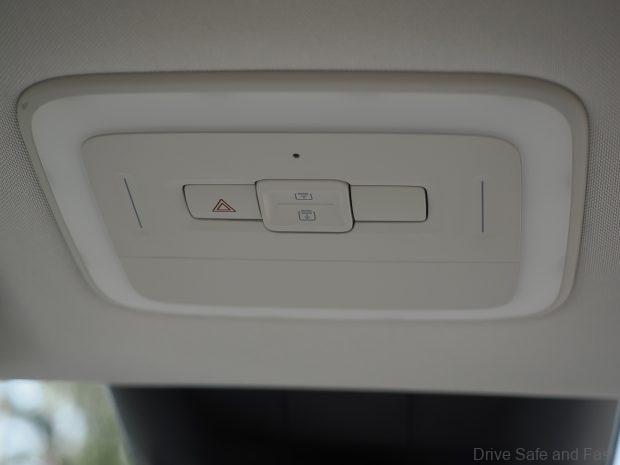
On the flip side, if you’re tech savvy enough, the screen serves as redundancy for many features in the car. It also shows just how well integrated all the vehicle’s core functionalities are.
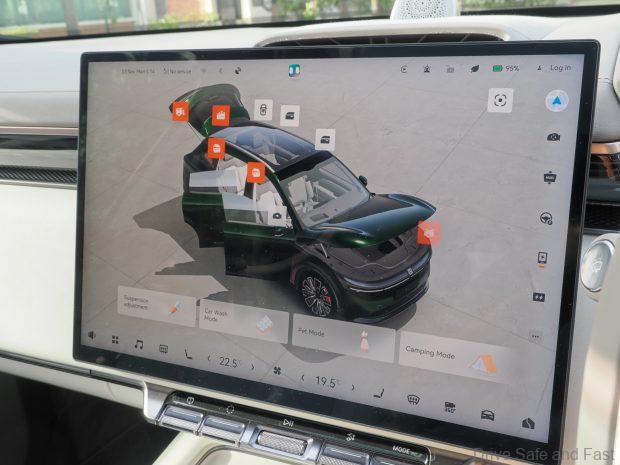
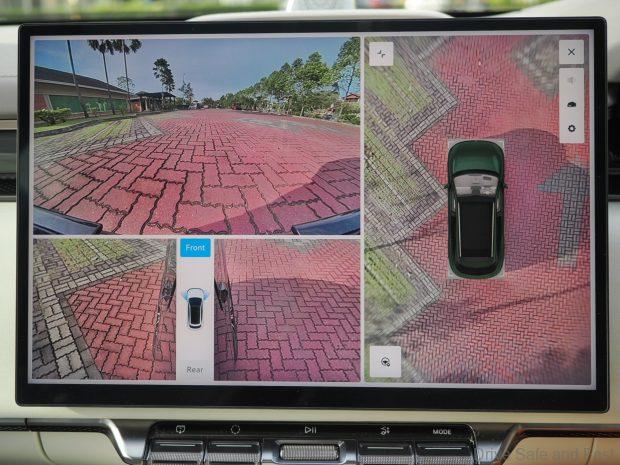
There’s also no denying how useful it is to have Apple Carplay and a 360-degree parking monitor blown up to 15 inches. This is about as ‘flagship’ as in-car displays go.
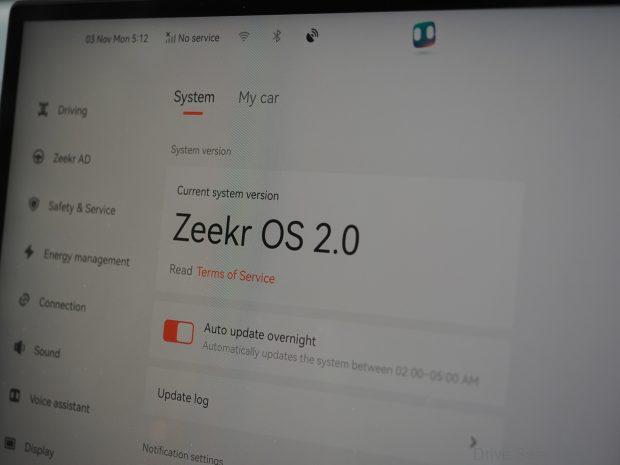
As expected, the system can be updated over the air. Our unit came with Zeekr OS 2.0.
You also get a well sized digital instrument cluster.
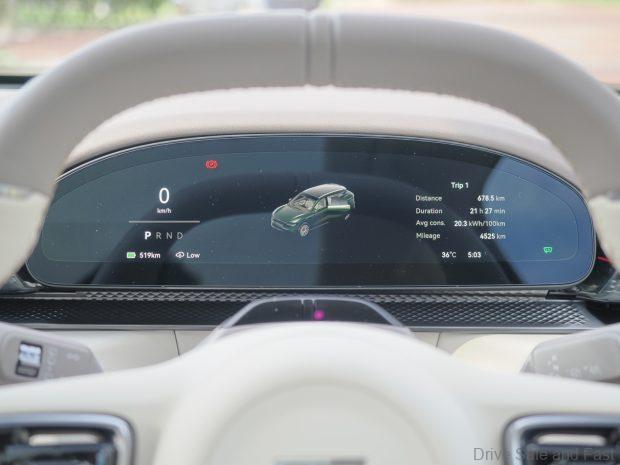
The display is in an irregular shape, meaning Zeekr took pains to order something more expensive for the 7X instead of your bog standard rectangular display. This is something you rarely see in the automotive industry. The only vehicle I’ve personally driven with an irregularly shaped digital driver display was the Ferrari Roma.
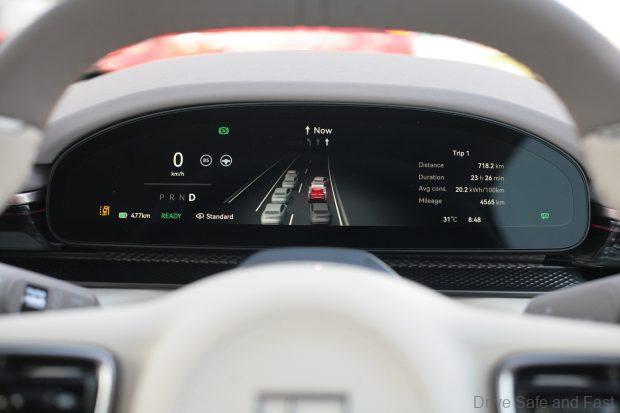
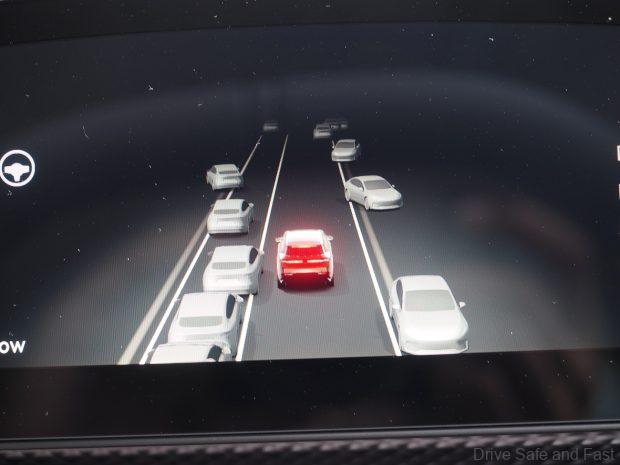
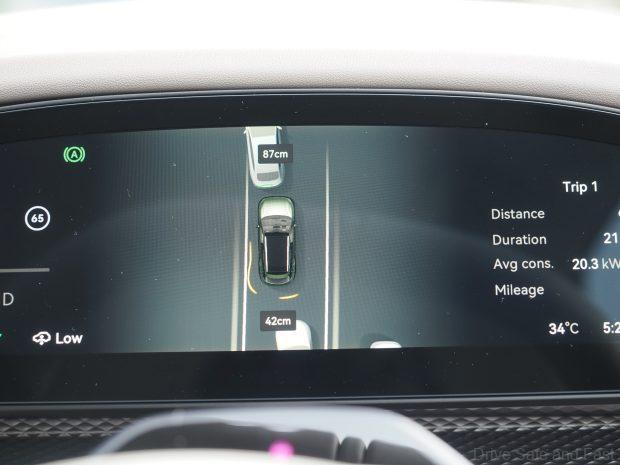
And hats off to the software team for making full use of this gorgeous screen. You get navigation instructions, parking guides, and even a digital representation of the vehicles on the road in real time. You might think it’s superflous but what it communicates is that the vehicle itself is rather accurately perceiving its environment, which is a necessary step towards trusting the machine do carry out some limited self-driving or at the very least emergency collision avoidance.
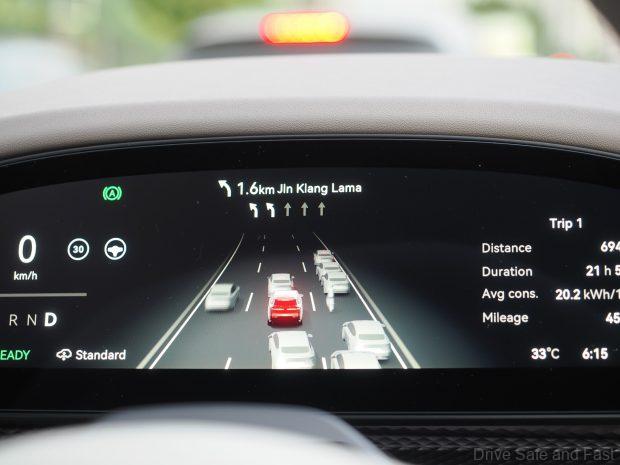
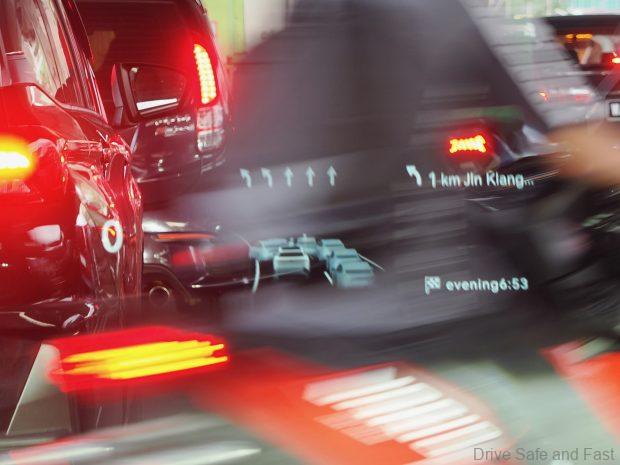
You also get a very neat Heads Up Display with most of the same info duplicated, but you can customise it to some degree.
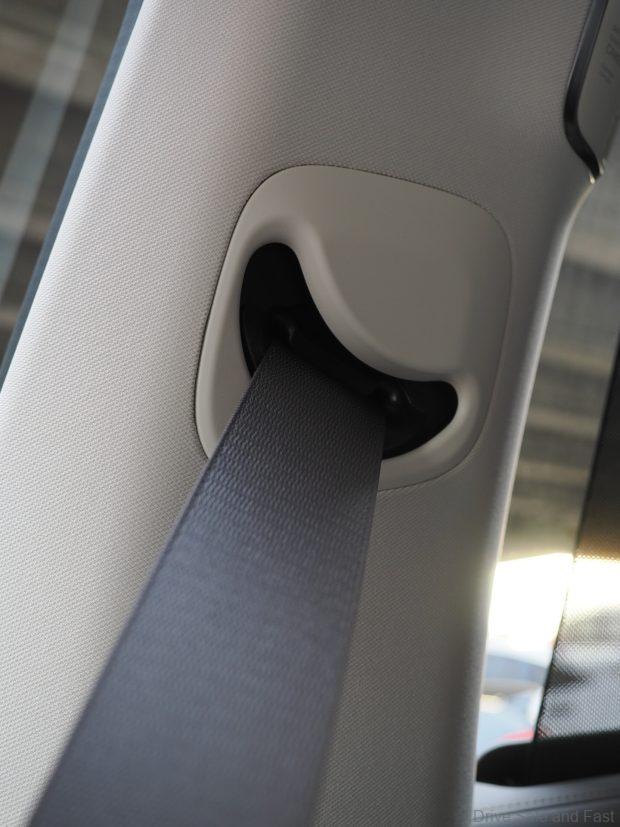
Depiste the sheer amount of tech, one notable oversight is the lack of height-adjustable seatbelts, which feels like a rare miss for such an up-market vehicle.
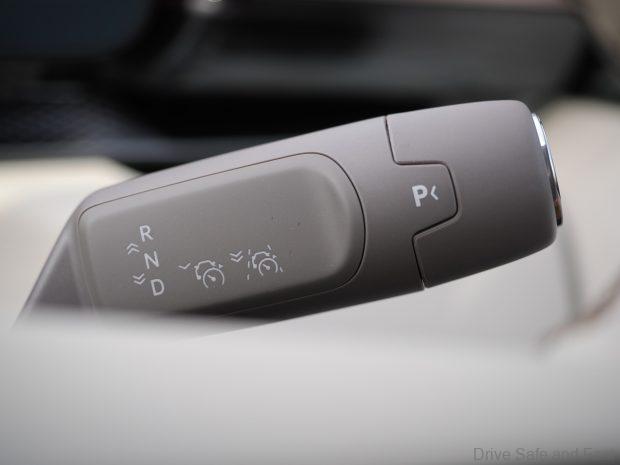
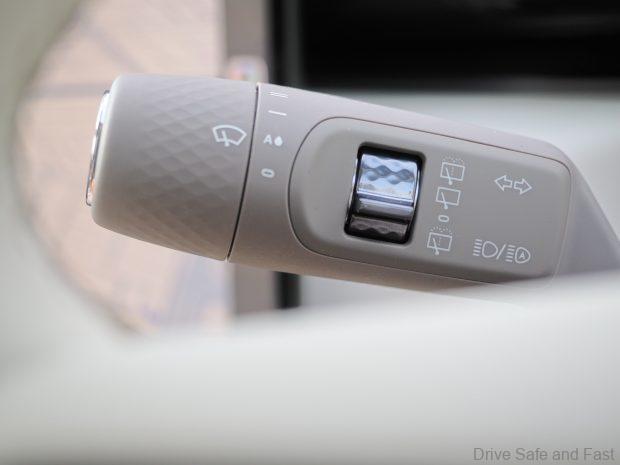
Besides that there’s the actual switchgear to talk about. It’s beautifully designed, matched with the rest of the cabin’s colour and is satisfying to use. Though there is certainly a Geely family feel to the engagement points, indicating some shared parts under the housings.
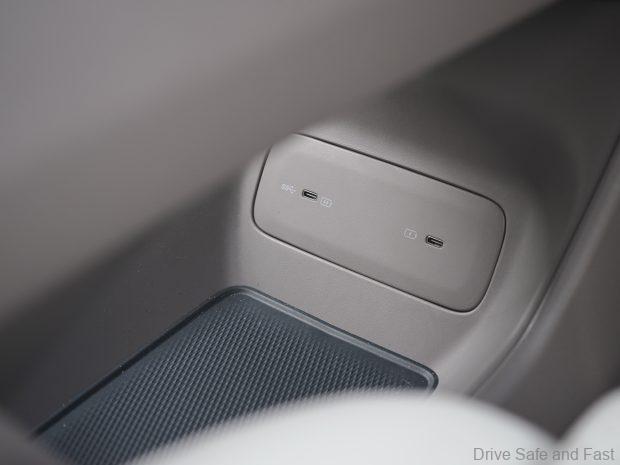
Charging can be done via the two 50W Qi charging pads or the two USB-C ports under the centre console. If you want access to a USB-A port, there’s just one in the rear centre armrest.
Other Cabin Details
The cabin of the 7X excels at creating an upmarket airy experience with some really high-tech and practical touches.
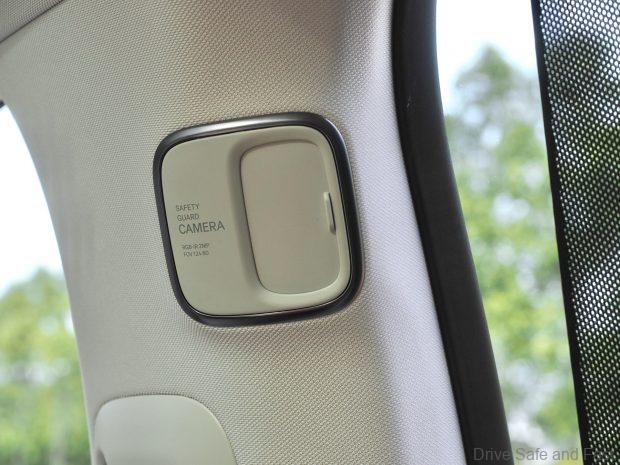
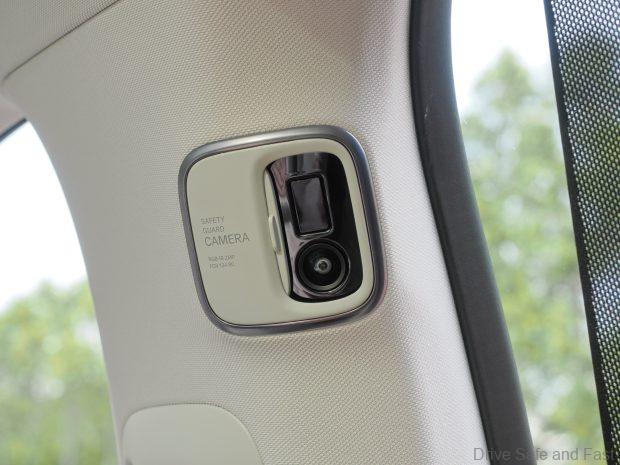
You’ve got a webcam fitted to the B-pillar with a privacy cover.
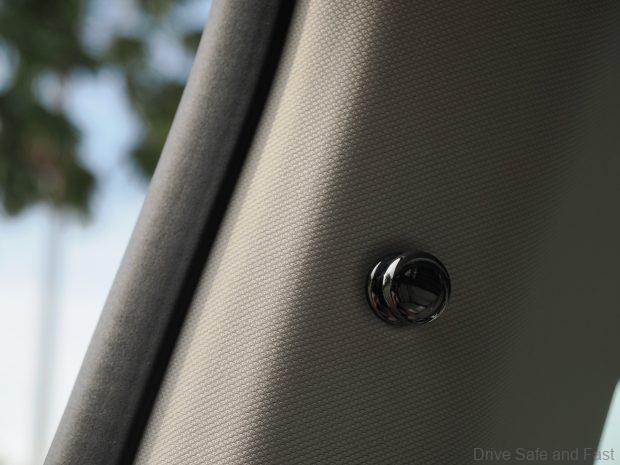
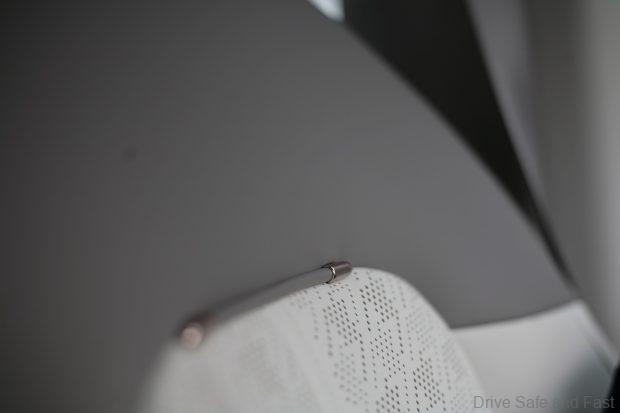
On the opposite pillar, a simple button hook to hang things off of.
The pairing of colours here is bold – white and grey (with a touch of lavender) are the primary hues with a trim pieces in bright bronze.
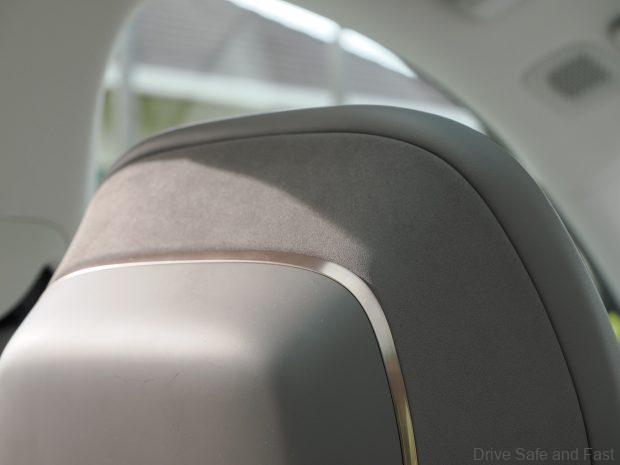
Because the centre console is removable, it doesn’t house the rear air vents. These are instead mounted only on the B pillars.
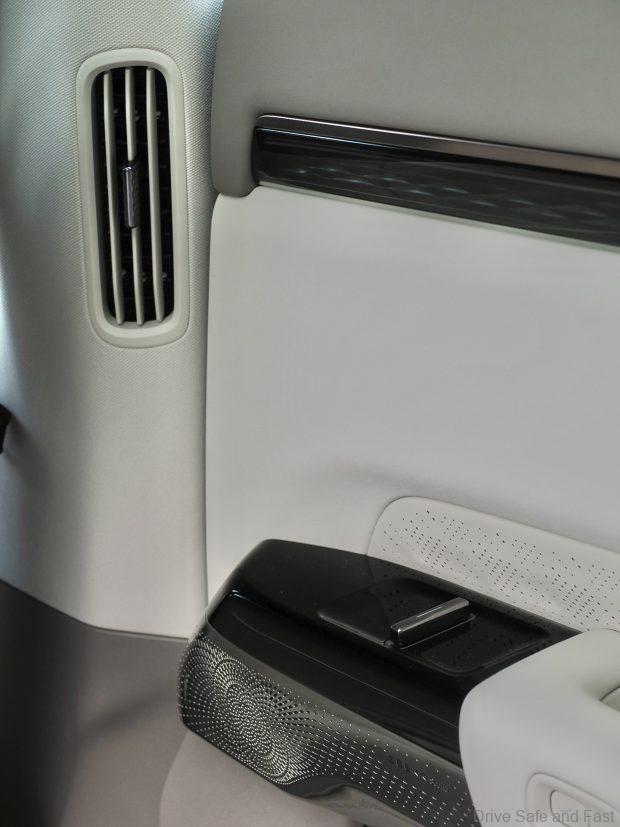
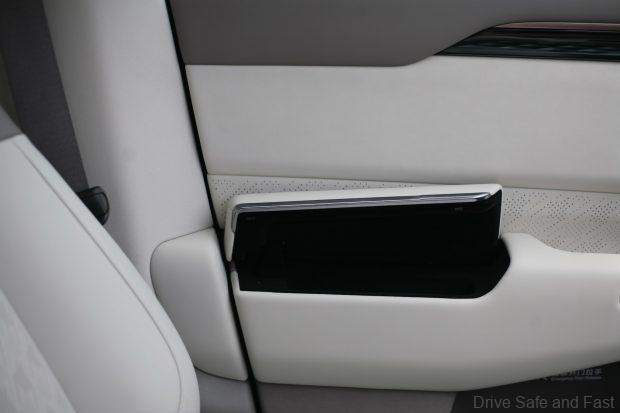
You also get hidden storage compartments in the door cards and under the rear seats though these are all slightly smaller than they ought to be.
Performance: Overkill or Just Right?
The top-spec All-Wheel Drive Performance variant is a beast, producing over 600 horsepower and 700 Nm of torque. While this allows the Zeekr 7X to keep up with the fastest Teslas and BYDs, it might be more power than the average SUV owner needs. I would characterize the acceleration as neck snappingly fast, which might sound exciting, but really does get tiring fast.
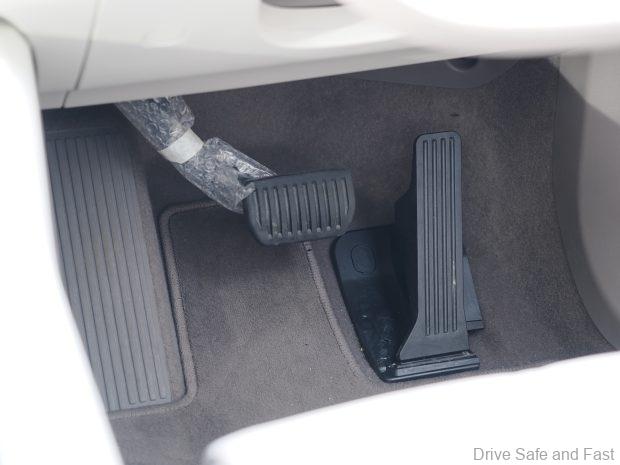
For most buyers, the Mid-Spec Long Range version is the “sweet spot.” It features the same 100 kWh NMC battery and offers a superior range of over 600 km (WLTP), whereas the Performance variant sacrifices some range for that extra speed. However, there are still a number of equipment items that may justify upgrading to the full spec model we tested.
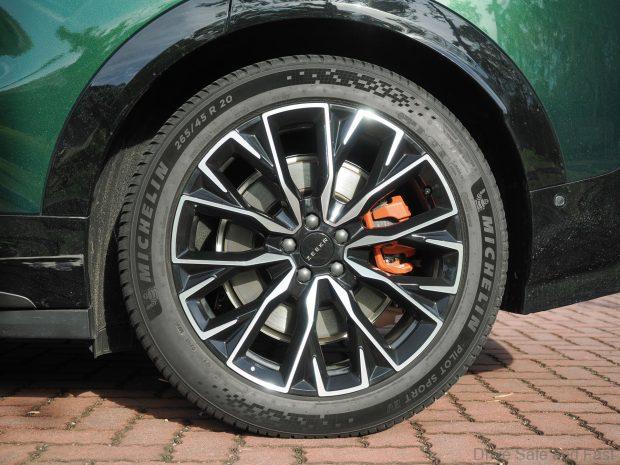
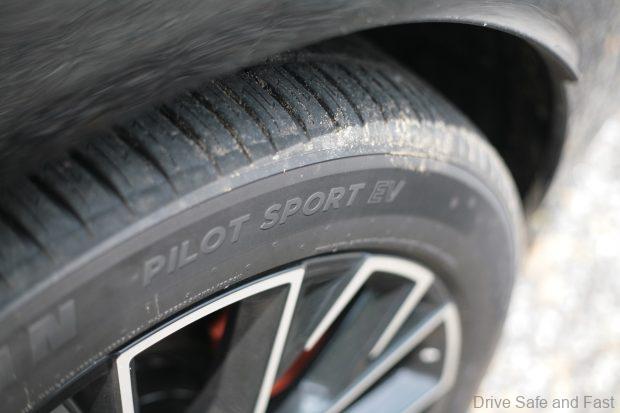
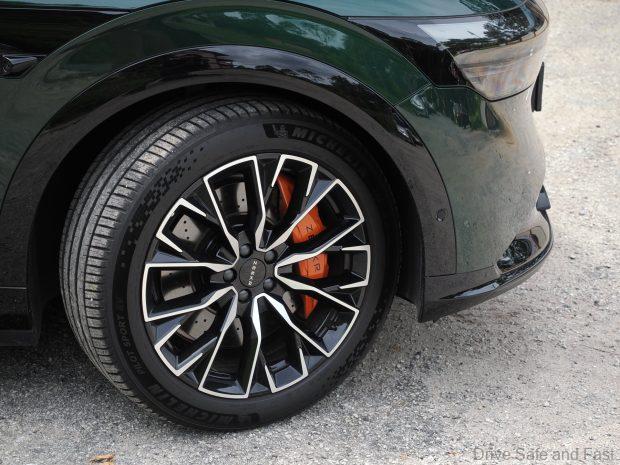
With this model, you’re paying RM227K, but you’re getting 20″ multispoke alloys wrapped in upgraded Michelin Pilot Sport EV tyres, upgraded 4-piston front brake calipers from Akebono (both front and rear calipers are painted bright orange), and most importantly this is the only variant that gives you air suspension with continous control damping.
This version also gives you nice-to-haves like full-grain Nappa leather and the unique powered doors and powered rear window sunshades. It’s also the only version to get the ‘Stargate Integrated Smart Light Curtain’, which is the LED front panel which can, in theory display test and patterns. Even if you pay it, most of the features on the panel are locked off until the government approves it and Zeekr pushes an OTA update.
Final Verdict: Zeekr 7X vs. The Competition
- Vs. BYD Sealion 7: BYD has a stronger service network and more aggressive pricing in Malaysia, but the Zeekr offers a more premium, tech-heavy interior with faster charging and better specs.
- Vs. Tesla: Zeekr offers a more traditional “luxury” feel with better materials (like Nappa leather) compared to Tesla’s stark minimalism. You also get access to Apple Carplay/Android Auto with the Zeekr.
- Vs. Xpeng G6: This is the closest rival in spirit. Both feature 800V tech, but Zeekr uses NMC battery chemistry on its two top variants while Xpeng has moved toward LFP completely. There are trade-offs here, so do your research.
If you are looking for a vehicle that prioritizes charging speed, high-end audio, and automated luxury, the Zeekr 7X is a formidable new entry that demands a test drive. I would estimate that it’s perhaps ahead of all four of its rivals in both objective and subjective aspects but is held back by the lack of clout and confidence surrounding the Zeekr brand in Malaysia. BYD and Tesla are known to just about every member of the buying public. Xpeng’s association with Bermaz gives the it big points in the trust department. Zeekr has to find its way into more hearts and heads before it can move the numbers its products deserve.
Zeekr 7X AWD Performance Specifications
Electric Motor: Dual, AWD
Power: 646PS
Torque: 710 Nm
AC Charging: 22 kW
DC Charging: Up to 420 kW
Acceleration: 0-100 km/h in 3.8 seconds
Battery: 100kWh NMC
Driving Range: 543km (WLTP)
Price: RM226,800

