
MAA: No price hikes on CKD cars for the next few months as OMV calculation delayed.
The Ministry of Finance (MoF) has once again delayed the implementation of the revised Open Market Value (OMV) calculation for locally assembled (CKD) vehicles.
According to an official letter addressed to the Malaysian Automotive Association (MAA) dated 23 December 2025, the government has agreed to extend the current tax exemption on non-manufacturing costs until 30 June 2026.
This decision effectively pauses a regulation that was originally set to disrupt the industry back in 2020, sparing Malaysians from an immediate spike in car prices. However, the repeated delays have sparked debate over the government’s indecisiveness and the automotive industry’s ability to plan for the future. Plus, all this really means is that customised incentives will continue, leaving the rakyat with an opaque system to detemine car pricing.
What is P.U.(A) 402 and OMV?
At the heart of this issue is the Excise Regulations (Determination of Value of Locally Manufactured Goods for the Purpose of Levying Excise Duty) 2019, also known as P.U.(A) 402.

Under the “new” (but constantly delayed) method, the government intends to calculate excise duties based on the Open Market Value (OMV). This method adds “non-manufacturing costs” into the dutiable value, including:
- Sales costs
- General and administrative expenses
- Profit
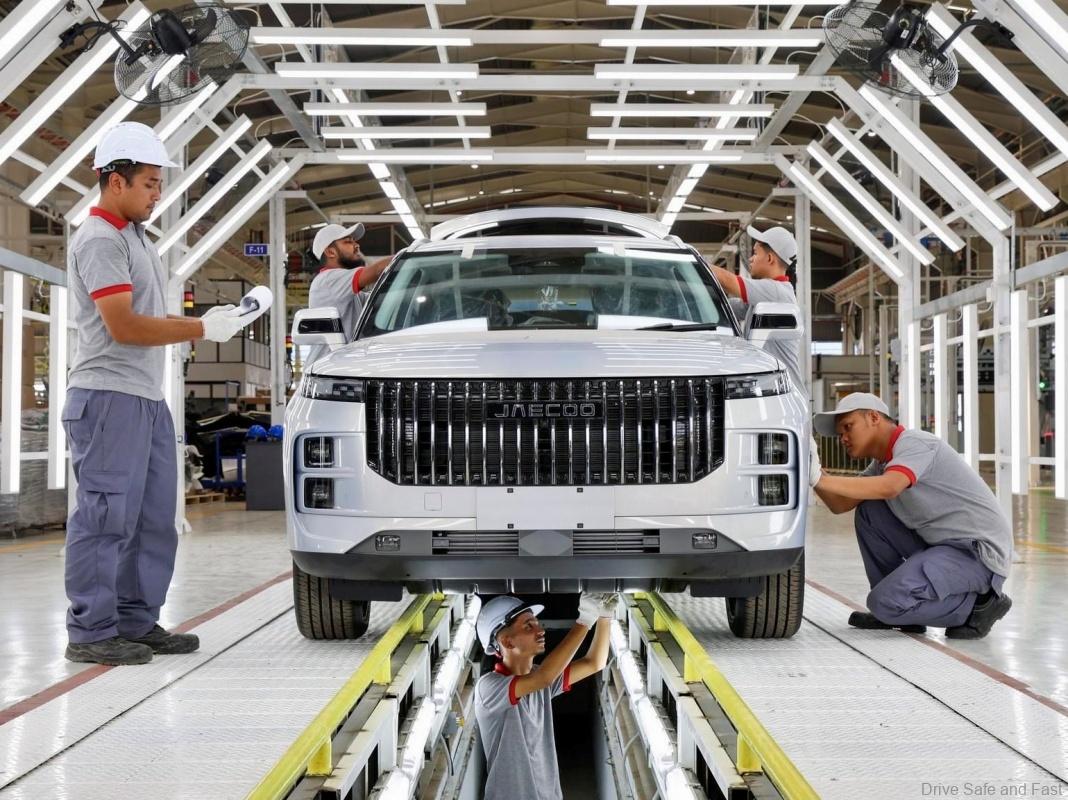
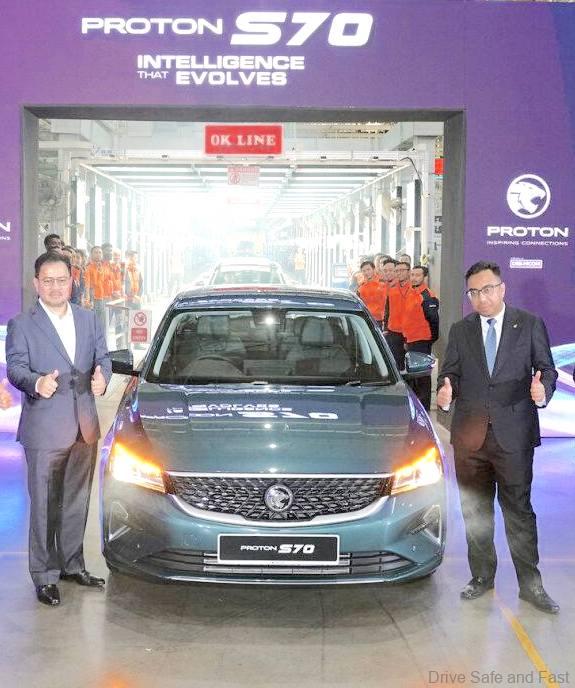
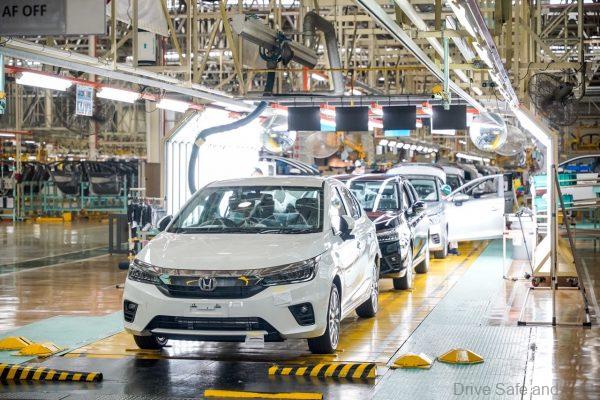
Currently, carmakers enjoy an exemption that allows them to exclude these costs from tax calculations. If P.U.(A) 402 were fully enforced, the taxable value of a car would rise, leading to higher retail prices for popular CKD models from brands like Proton, Perodua, Honda, and Toyota.
The Good News: Price Stability for 6 Months
For the consumer, this is an undeniable win in the short term. By extending the exemption until 30 June 2026, the government has ensured that CKD car prices will remain stable for the first half of the year.
- No Sudden Hikes: Buyers do not need to panic-buy before January 1st to avoid this specific tax increase.
- Market Continuity: The status quo remains, allowing dealerships to maintain current price lists without rapid adjustment.

The Bad News: Policy Flip-Flops and Uncertainty
While consumers breathe a sigh of relief, the delay highlights a worrying pattern of indecision. The OMV regulation was originally slated for implementation in 2020. Since then, it has been kicked down the road by multiple successive governments, often in 6-to-12-month increments.
This “will-they-won’t-they” approach creates a difficult environment for the automotive industry:
- Planning Nightmares: Automotive product lifecycles span 5 to 7 years. When tax policies shift or are delayed every six months, manufacturers struggle to forecast pricing, profit margins, and localization strategies.
- Investment Hesitation: Global principals may hesitate to invest in local assembly (CKD) operations if the long-term tax structure remains ambiguous.
The Cost to the Government
From a fiscal perspective, the delay comes at a price. By sticking to the old calculation method, the government continues to collect fewer taxes per vehicle sold compared to what it would earn under the full OMV definition.
In an era where the country is looking to broaden its tax base, maintaining this “tax holiday” on car profits and administrative costs is a significant revenue concession.

Verdict: What Should You Do?
If you are planning to buy a locally assembled car, the urgency has diminished slightly. Prices are unlikely to jump due to OMV changes before July 2026.
However, the 6-month extension acts as yet another temporary patch rather than a permanent solution. Come mid-2026, the industry will likely face the same cliff-edge scenario, leaving Malaysians wondering if the prices will finally go up—or if the can will be kicked down the road once more.

