

PDRM and JPJ are tightening traffic rules in 2026, it’s time to drive better.
The days of ignoring traffic summonses and waiting for a year-end “Merdeka Discount” are officially over. Effective 1 January 2026, the Road Transport Department (JPJ) and the Royal Malaysia Police (PDRM) have launched a standardized, fully digital enforcement system designed to end the “wait-and-see” culture among Malaysian drivers.
While there are no new laws being introduced, the enforcement of existing rules has become significantly stricter and fully digitised. The new system replaces inconsistent ad-hoc campaigns with a permanent tiered discount structure: “The less you delay, the less you pay.”
1. The “Pay Early, Save Big” Discount Structure
The core of the 2026 overhaul is a time-sensitive payment system. To tackle the billions of Ringgit in unpaid fines, the government has introduced a tiered mechanism that rewards prompt settlement.
Drivers who settle their summonses immediately via digital channels can enjoy massive savings, but delays will be costly:
- 0 – 7 Days: 70% Discount (Super Early Bird)
- 8 – 15 Days: 50% Discount
- 16 – 30 Days: 25% Discount
- 31+ Days: Full Compound Amount + 20% Penalty
- After 60 Days: Subject to Court Action and Blacklisting.
This structure eliminates the need to wait for festive season discounts, shifting the responsibility firmly onto the motorist to settle fines instantly.
2. Big Brother is Watching: AES 2.0 & AI Cameras
Complementing the new fine structure is the deployment of AES 2.0—a network of over 1,000 AI-powered cameras nationwide. Known as the Automated Awareness Safety System (AWAS), these are not just simple speed traps anymore.
The upgraded cameras feature Multi-Violation Detection and can identify offences beyond speeding, including:
- Running red lights
- Mobile phone use while driving
- Not wearing a seatbelt
- Using bus lanes
- Illegal parking
Furthermore, the system now utilizes Point-to-Point Speed Detection, measuring a vehicle’s average speed between two locations. This effectively counters the old tactic of slowing down only when a camera is visible.
3. Immediate Consequences: MyJPJ & Real-Time Demerits
Under the new digital ecosystem, summonses are sent instantly via the MyJPJ App and SMS. The integration goes deeper with the KEJARA Demerit System, which now operates in real-time.
- Instant Updates: Demerit points are updated immediately upon payment or conviction.
- Suspension Risk: Accumulating 10+ points can result in a 6-month license suspension.
- Centralised Blacklist: Local council (PBT) parking summonses are now integrated into the MyJPJ system.
If you fail to pay your summonses, the consequences are severe:
- Road tax and driver’s license renewal will be blocked.
- Puspakom inspections will be blocked.
- Possible overseas travel ban for outstanding fines exceeding RM10,000.
4. Roadblock 2.0 and e-Kompaun
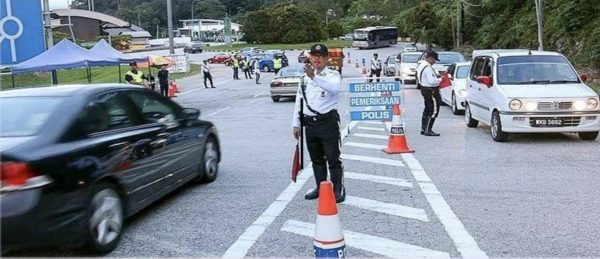
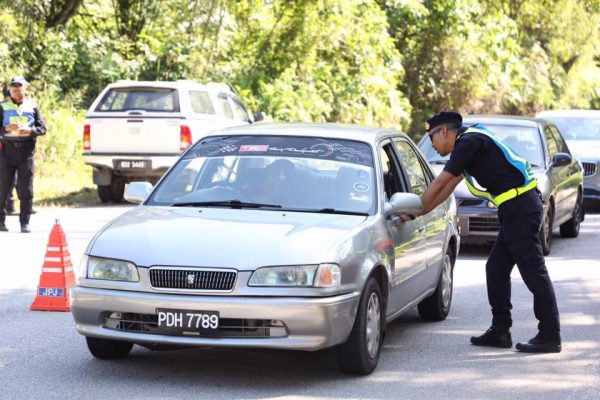
Physical enforcement has also been upgraded. In “Roadblock 2.0,” police officers will scan your MyKad to instantly view your entire history—including outstanding summonses, license status, and demerit points.
- On-the-spot Payment: Fines can be paid immediately at the roadblock.
- Seizure: Vehicles on the blacklist may be seized on the spot.
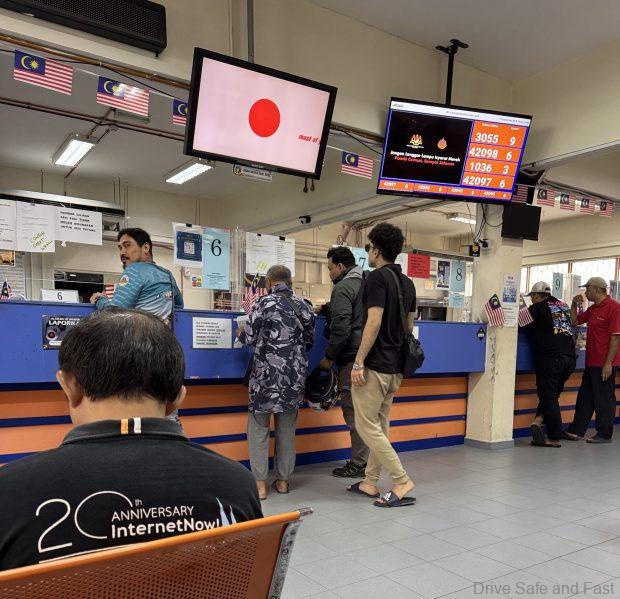
For those who prefer physical payment channels, e-Kompaun Kiosks are available 24/7 at JPJ offices, UTCs, malls, and petrol stations, allowing users to scan a QR code and receive an instant receipt.

