


This is the latest Honda Freed and it has an e:HEV variant which is very popular in nations that are selling it because it offers a highly efficient “self-charging” hybrid system, exceptional interior space for its compact size, and immense practicality for families, earning it the 2024-2025 Japan Car of the Year award.
Unlike traditional hybrids, this system prioritizes electric motor drive for most driving situations, providing a smoother, EV-like experience.
As a versatile compact MPV (like the Honda Stream and Toyota WISH), it combines modern, “clean” styling with the reliability of a Honda, serving as a popular choice for urban commuting and family transport.
The Freed e:HEV is a compact seven-seater hybrid MPV designed for both daily commuting and family use. It combines a 1.5-litre DOHC i-VTEC Atkinson-cycle engine with Honda’s e:HEV two-motor hybrid system and an electric continuously variable transmission (e-CVT).
The petrol engine produces 106 PS and 127 Nm of torque, while the electric motor delivers 131 PS and 253 Nm of torque. The hybrid system automatically switches between Electric Vehicle Drive, Hybrid Drive, and Engine Drive modes to optimise efficiency without requiring external charging. Fuel consumption is rated at up to 5.1 litres per 100 kilometres.
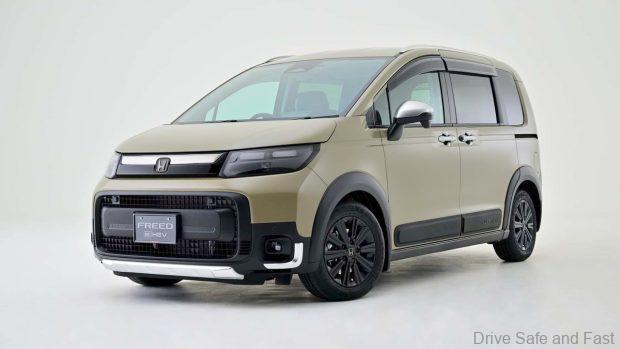
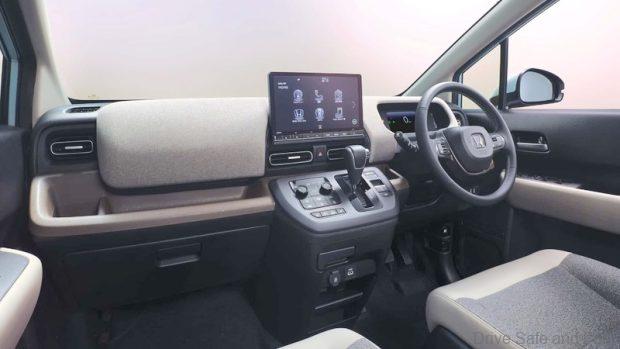
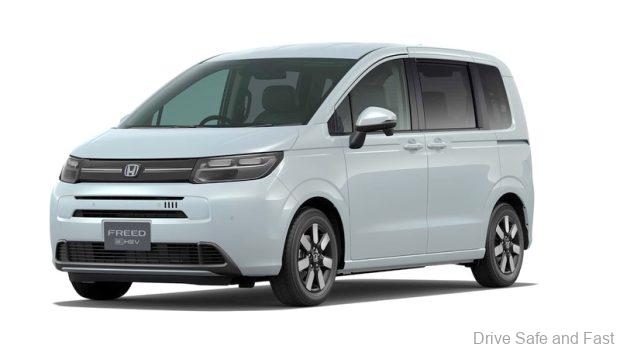
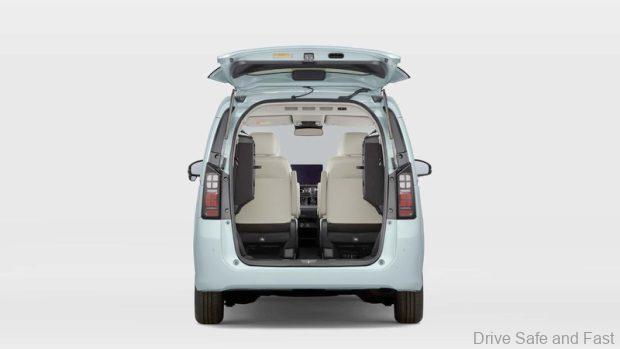
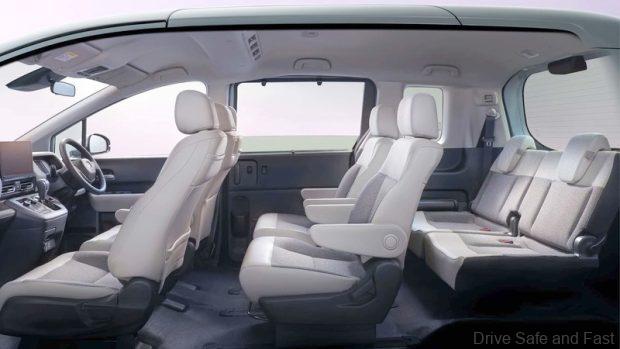
Measuring 4,311 mm in length, 1,695 mm in width, and 1,754 mm in height, with a 2,740 mm wheelbase, the MPV offers a spacious cabin within a compact footprint. The seating layout includes 60/40 split second-row seats and 50/50 flip-up third-row seats, allowing flexible use of passenger and cargo space.
In order to maintain the easy-to-handle body size unique to Freed, one of the popular features of the previous generation model, an increase in the overall vehicle length was limited to only 45 mm due to the installation of the e:HEV two-motor hybrid system. In addition, the shape of the first-row seats has been modified to further enhance usability by improving the walk-through and accessibility to the second-row seats.
With the adoption of in-wheel meter display and other design features, a horizontal and noiseless dashboard was realized, enabling the vehicle to offer clear forward visibility. Moreover, the all-new Freed features a bright cabin where all occupants have an open feeling made possible by various packaging design ingenuities such as the adoption of a flat horizontal beltline across the entire body, a continuous field of view from the front to the sides and the rectangular and bigger quarter windows for the third-row passengers.
The new design which places the base of the front pillar directly above the tire makes it easier for the driver to visualize the position of the tires and thus to grasp the width of the vehicle. In addition, the adoption of single front pillar and the repositioning of the door mirror have improved the diagonal forward visibility and made it easier for the driver to see pedestrians, thereby ensuring a greater peace of mind while driving.
The structure of the third-row seats was made lighter and thinner, without compromising seating comfort. Moreover, lowering the position of the seats when they are flipped up and making them almost perpendicular to the floor, minimized the volume of the seats protruding into the cargo space.
The distance between the two flipped up seats was increased by approximately 160mm (6 inches) compared to the current model, further enhancing the ease of use and versatility of the cargo space.

