


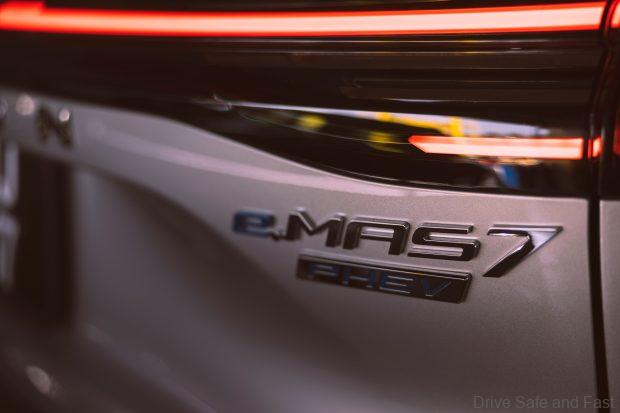
The Proton e.MAS 7 PHEV is proving to be a popular choice perhaps due to changes in fuel subsidies.
As Malaysian households face rising fuel costs and adjustments to national subsidies, new energy vehicles (NEVs) are seeing a surge in demand. PRO-NET, the new energy arm of Proton, has reported that the Proton e.MAS 7 PHEV has accumulated over 6,500 bookings in just over two months since its February 2026 launch.
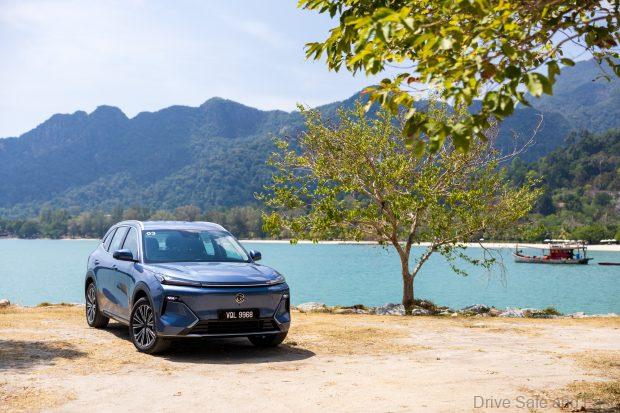
This trend reflects a decisive shift in consumer behavior, as 63% of customers are trading in traditional internal combustion engine (ICE) vehicles—such as compact SUVs and sedans—for this future-ready alternative.
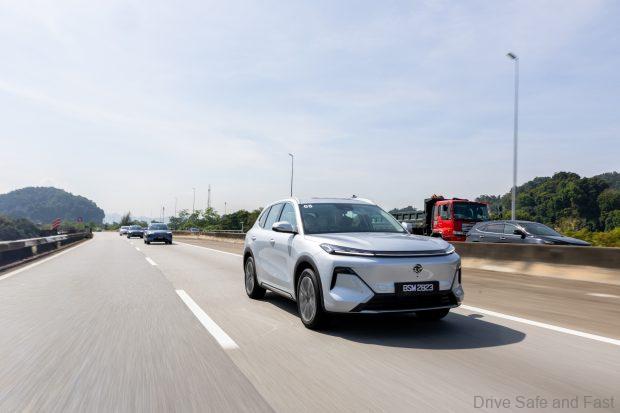
The Proton e.MAS 7 PHEV is positioned as a primary vehicle for families, with 75% of buyers being family-oriented men aged 36 and above. The model bridges the gap between urban efficiency and long-distance capability. If you need to drive to work daily, it can serve as a competent electric vehicle, but with a fuel tank on board, you don’t really have range anxiety issues.
Accessibility and Market Impact
Proton is lowering the barrier to electrification by offering latest-generation plug-in hybrid technology at an attainable price point.
- Competitive Pricing: With prices starting from RM105,800 for the Prime variant, the e.MAS 7 PHEV is an affordable entry into the PHEV C-SUV segment.
- Overcoming Hybrid Barriers: By combining reliability with cost-savings, PRO-NET is successfully addressing previous consumer concerns regarding the complexity and maintenance costs of hybrid drivetrains.
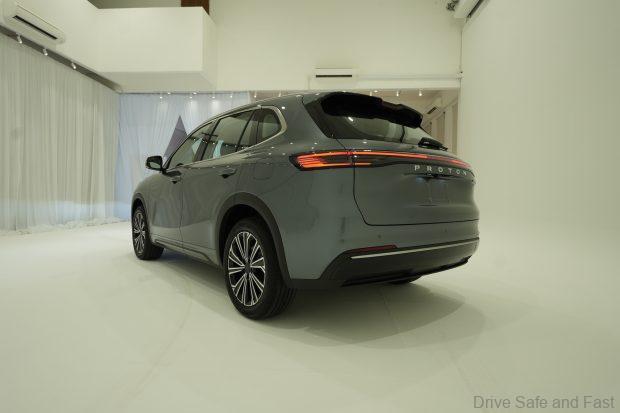
“With fuel prices rising and households becoming more conscious of long-term costs, the Proton e.MAS 7 PHEV is arriving at the right moment for Malaysians,” said Mr. Zhang Qiang, Chief Executive Officer of PRO-NET.

The growing booking numbers underscore that Malaysians are no longer merely testing electrified options but are confidently replacing their petrol vehicles with more efficient national alternatives.

