


Nissan is actively expanding its zero-emissions portfolio with a new, highly accessible entry-level electric vehicle named the Nissan Wave.
Positioned below the upcoming electric Micra and occupying the compact footprint left vacant following the shelving of an entry-spec electric Qashqai variant, the Nissan Wave is designed to democratize urban electric mobility. Heavily camouflaged test mules have recently been spotted undergoing real-world validation trials on European roads, showcasing a compact A-segment hatchback silhouette that incorporates Nissan’s signature rounded lighting motifs and a sleek, closed-off front grille.
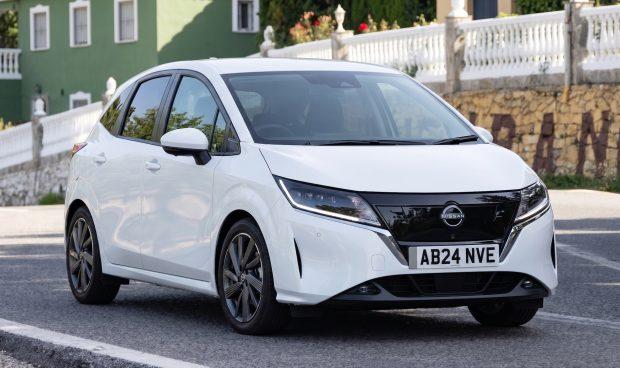
The model is slated to make its official global debut in the first half of 2027, carrying an aggressive target starting price of under €20,000 (approximately RMB 156,000).
AmpR Small Architecture and LFP Battery Technology
Developed in collaboration with Alliance partner Renault under its dedicated Ampere division, the Nissan Wave leverages the cost-efficient AmpR Small platform (formerly known as CMF-BEV):
- Electric Powertrain: Powered by a front-mounted single electric motor generating a peak output of approximately 60 kW (80 hp), calibrated for responsive low-speed acceleration and efficient urban stop-and-go driving.
- Lithium Iron Phosphate (LFP) Battery: Equipped with a compact 27.5 kWh LFP battery pack, a chemistry chosen for its thermal stability, long cyclic lifespan, and lower raw material manufacturing costs compared to conventional nickel-cobalt chemistries.
- Driving Range: Expected to deliver an estimated WLTP combined driving range of around 263 kilometers, offering ample endurance for multi-day daily commutes and city errands on a single charge.
Tackling the Budget EV Influx in Europe
Nissan’s sub-€20,000 pricing strategy places the Wave directly in the crosshairs of an intensely competitive entry-level electric micro-car battlefield in Europe.
The Japanese automaker is preparing to challenge established and emerging budget alternatives, including:
- Chinese Value Contenders: The BYD Seagull (Dolphin Mini) and Leapmotor T03, both of which are aggressively capturing price-sensitive European commuters.
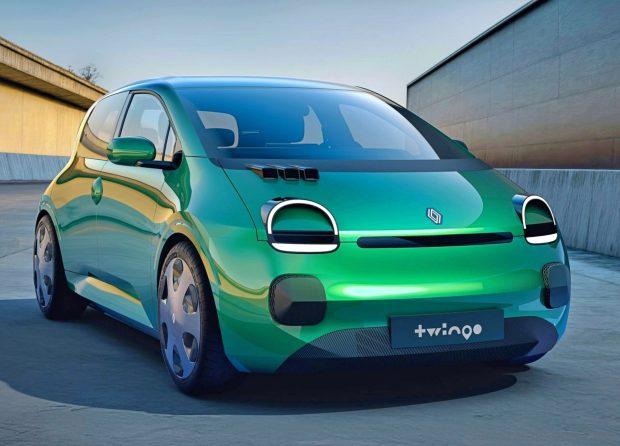
- Alliance and Continental Rivals: European city-car offerings such as the revived electric Renault Twingo, Dacia Spring, and the forthcoming Volkswagen ID.1 entry series.
By adopting a dedicated lightweight electric architecture, optimized interior packaging with a flat floorboard, and affordable battery chemistry, the Nissan Wave aims to deliver an accessible entry point into modern, zero-emissions Japanese motoring.

