

BMW Pushes Back Against EU’s One-Track EV Strategy
BMW is sending a clear message to European regulators: slow down the electric vehicle (EV) push and keep options open. Despite strong EV growth in recent quarters, the German automaker warns that rigid, EV-only regulations may backfire—especially in a fragmented market like Europe.

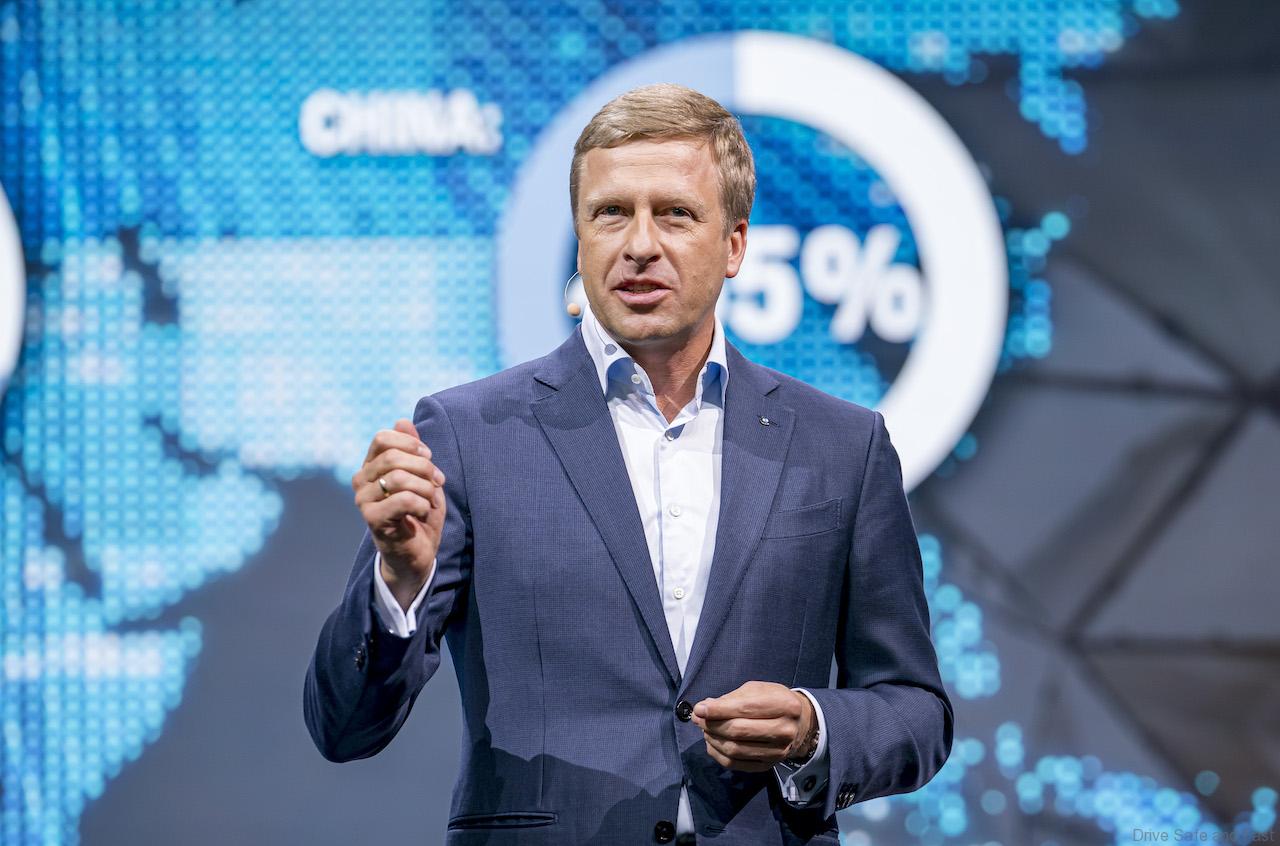
At BMW’s recent annual shareholder meeting, CEO Oliver Zipse criticized the EU’s increasingly aggressive EV mandates. “We take ambitious political goals seriously, but we don’t believe in technically one-sided regulations that limit supply,” Zipse said. He argued that focusing solely on battery-electric mobility—without considering regional adoption rates, infrastructure readiness, and market diversity—risks leading the industry down a “dead-end street.”
This criticism comes despite BMW reporting a 32% year-on-year increase in fully electric vehicle sales in Q1 2025, with EVs now accounting for nearly 20% of all BMW Group sales. In Europe alone, BEV sales jumped over 64%. Still, the company insists that a flexible, tech-neutral approach—supporting internal combustion engines (ICE), plug-in hybrids, and battery electrics—is the only viable path forward.

BMW’s stance reflects broader challenges facing German automakers. Sales in China, once a profit engine, are plunging amid growing local competition and trade tensions. Although BMW saw sales growth in Europe and the US, first-quarter earnings still fell 23% overall. The company’s resilience came from its diversified portfolio: strong demand for M models, robust hybrid and ICE sales, and a growing footprint in markets outside of China.
Zipse highlighted stark differences in EV adoption across Europe to support BMW’s argument. While EVs make up 60% of sales in Belgium, they account for just 4% in Italy. “The differences are simply too great, even just within Europe,” he said. Such disparities complicate product planning and force automakers to straddle both EV development and ICE refinement—an expensive balancing act.
BMW’s core strategy remains focused on flexibility and long-term stability. Its Neue Klasse platform, launching in late 2025, will underpin a new generation of electric vehicles but will not signal an immediate phase-out of other powertrains. In fact, BMW plans to launch more than 40 new or refreshed models by 2027—spanning BEVs, plug-in hybrids, and combustion-powered vehicles.

The company also voiced concern over rising trade barriers, warning that protectionism benefits no one. With U.S. tariffs on Chinese EVs now in effect and global trade relations strained, BMW emphasized the importance of free trade and international cooperation for innovation and growth.

