


The Israeli government seems to think Chinese EVs send data back to China, why?
The Israeli Ministry of Defense has halted the use of Chinese-made electric vehicles (EVs) from BYD within the Israel Defense Forces (IDF), citing national security concerns. The suspension follows mounting warnings from cybersecurity experts who argue that these vehicles could potentially serve as instruments for foreign surveillance.
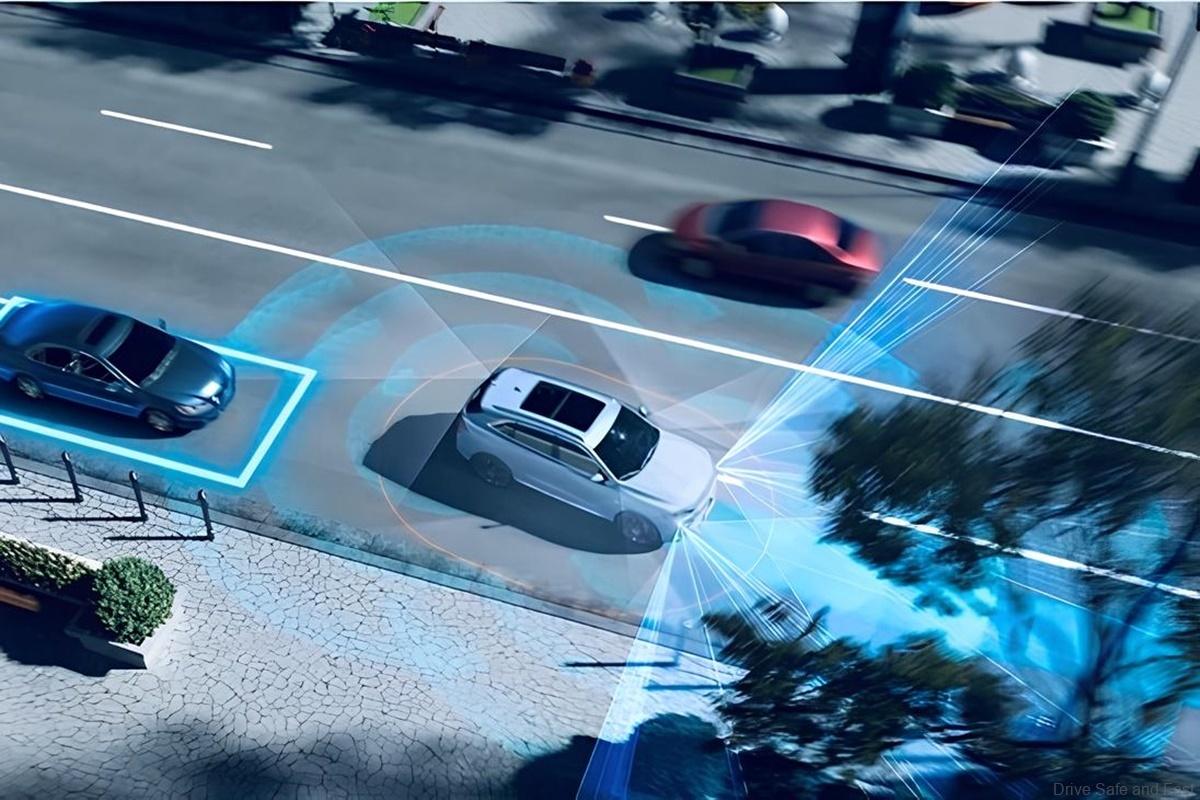
At the center of the controversy are the sophisticated electronic systems embedded within these vehicles, including sensors, cameras and communication modules, that could theoretically be exploited to collect sensitive data.
Moreover, authorities are particularly worried about the risk of audio, video, geolocation and even biometric information being gathered and transmitted to remote servers, possibly located in China. Before the suspension, Israel had already acquired over 600 Chinese EVs, including models such as the MG ZS EV and the Chery Tiggo 8.
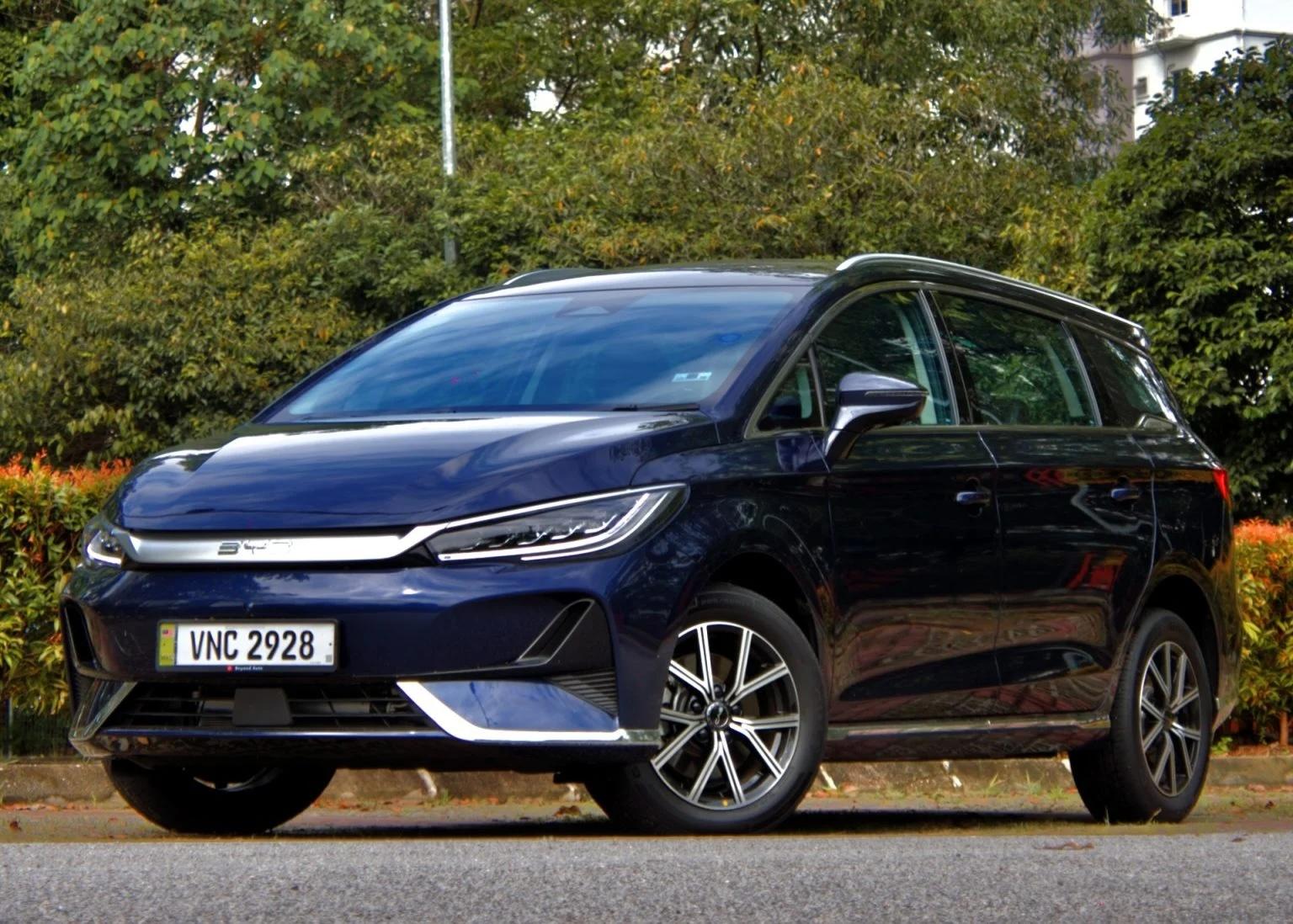
These vehicles were actively used as official transportation for senior IDF officers and other defense personnel, including in areas close to the Ministry of Defense headquarters in Tel Aviv. However, the recently acquired BYD Atto 3 models, designated for lieutenant colonels, were withheld from deployment pending further security evaluations.
In an effort to mitigate risks, the Ministry of Defense also disabled certain features in the vehicles, such as the e-Call system, an automatic emergency communication service designed to contact emergency responders in the event of a crash. Despite these precautions, cybersecurity specialists insist that such measures may not be sufficient.

On top of that, Dr. Harel Menashri, a cybersecurity expert and one of the founding figures of the cyber division within the Israel Security Agency (Shabak), warned that these Chinese-made vehicles should be treated as mobile intelligence-gathering tools. According to Menashri, the level of technological integration in modern EVs provides multiple vectors for potential surveillance, particularly when the systems are connected to foreign cloud infrastructure.
The issue underscores a growing global concern about cybersecurity threats posed by Chinese technology, particularly in sensitive sectors such as defense and government. Previously, similar concerns have been raised in other countries, including Poland, where Chinese cyberattacks have reportedly targeted critical infrastructure and governmental systems.
Israel’s decision to suspend the use of Chinese EVs reflects a broader strategy to safeguard national security against emerging threats in the digital and connected automotive era. We got all this from Militarnyi and their full article is linked here. Thank you Militarnyi for the information and images.

