


Malaysia to Replace Customised Auto Incentives with Transparent Tax System by October 2025
The Malaysian government is preparing to overhaul its automotive taxation framework by October 2025, moving away from opaque, case-by-case “Customised Incentives” (CI) toward a fixed, rules-based system. This landmark change will align with the implementation of revised excise duty rules under PU(A) 402/2019, a reform long awaited by both industry stakeholders and policy advocates.

The move is designed to ensure the excise duty structure is fairer, more consistent, and less vulnerable to manipulation or corruption. Under the current system, the level of tax exemption a car company receives can vary dramatically depending on the company’s negotiations with the Automotive Business Development Committee (ABDC), a multi-agency body chaired by the Ministry of Investment, Trade, and Industry (MITI). These Customised Incentives are granted based on strategic considerations, such as production volume, R&D activities, technology transfer, and export commitments.
While intended to spur strategic investments in Energy Efficient Vehicles (EEVs) and Next Generation Vehicles (NxGVs), the CI system has long been criticised for its lack of transparency and predictability. Companies must undergo a Cost-Benefit Analysis and await ABDC deliberations, which has introduced delays, uncertainty, and wide disparities in tax outcomes between brands.

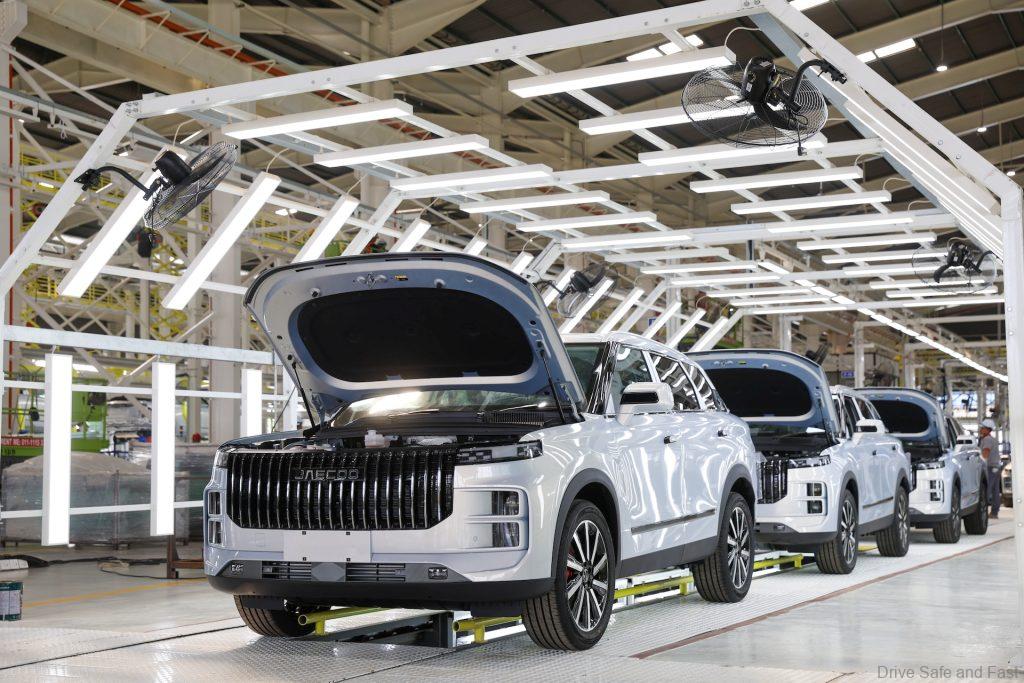
In contrast, the upcoming system—based on a revised calculation of Open Market Value (OMV)—promises a level playing field. All locally assembled vehicles will be taxed under a unified, clear methodology, rather than based on individual business cases. The Royal Malaysian Customs Department and Ministry of Finance (MOF), working alongside MITI, are finalising the valuation mechanism to ensure it is neutral and equitable across the board.
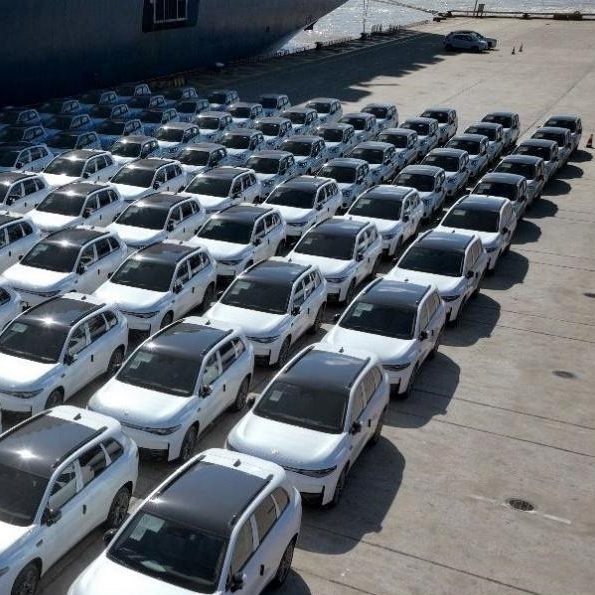
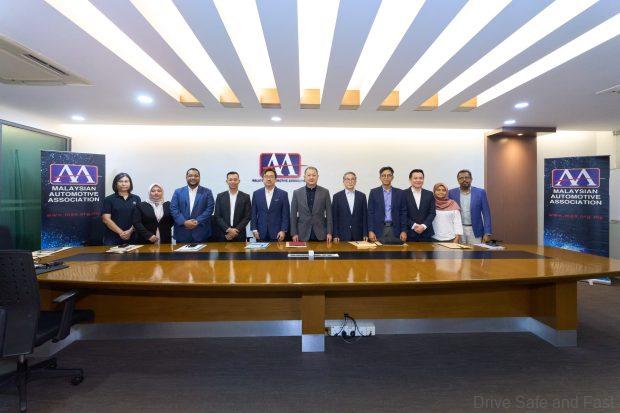
The Malaysian Automotive Association (MAA) has called on the government to expedite formal communication regarding the new tax regime. According to its president, Mohd Shamsor Mohd Zain, manufacturers need at least six months to adjust their logistics, production planning, and pricing strategies. With only a few months remaining before implementation, the industry is growing anxious over the lack of detailed guidance.

“There’s real concern that prices could rise by as much as 30% if the OMV revision is poorly executed or rushed,” said Shamsor. “We welcome fairness, but the industry must be given adequate time to prepare.”
The MOF has denied claims that the tax reforms will lead to steep vehicle price hikes, stating that the review aims to prevent precisely that. Officials have reiterated that the upcoming system will be structured to avoid sudden shocks and instead provide long-term clarity to car buyers and automakers alike.
More importantly, the new framework is expected to close loopholes and reduce opportunities for rent-seeking and under-the-table arrangements. By establishing a rule-bound, transparent mechanism, Malaysia is taking a major step toward restoring integrity in the automotive tax landscape.
With the National Automotive Policy (NAP) 2020’s broader goals of technological advancement and market competitiveness in mind, this tax reform signals a maturing of the local industry—one that is ready to compete on a level playing field, without relying on opaque incentives or discretionary exemptions.

