


Singapore will be adjusting EV-related policies the same time Malaysia will, but in a very different way.
Singapore has once again adjusted its electric vehicle (EV) policies, extending and revising two key incentive schemes — the Vehicular Emissions Scheme (VES) and the EV Early Adoption Incentive (EEAI). While Malaysia prepares to end its CBU EV import and excise duty exemptions by December 2025, these changes across the Causeway offer valuable lessons for how our government could manage the next phase of EV adoption.
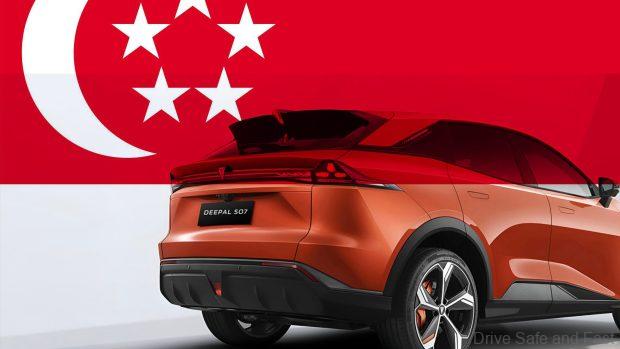
Singapore’s Approach to EV Incentives
- Vehicular Emissions Scheme (VES)
- Rewards buyers of low-emission cars and penalises highly polluting models.
- As of 2026, rebates will only apply to fully electric cars, while hybrids lose out.
- Polluting vehicles will face surcharges of up to S$45,000.
- EV Early Adoption Incentive (EEAI)
- Provides EV buyers with a rebate of up to S$15,000 off their Additional Registration Fee (ARF).
- From 2026, this cap will be reduced to S$7,500 before being phased out entirely in 2027.
Together, these schemes encourage cleaner choices while gradually reducing the cost gap between EVs and internal combustion engine (ICE) vehicles.
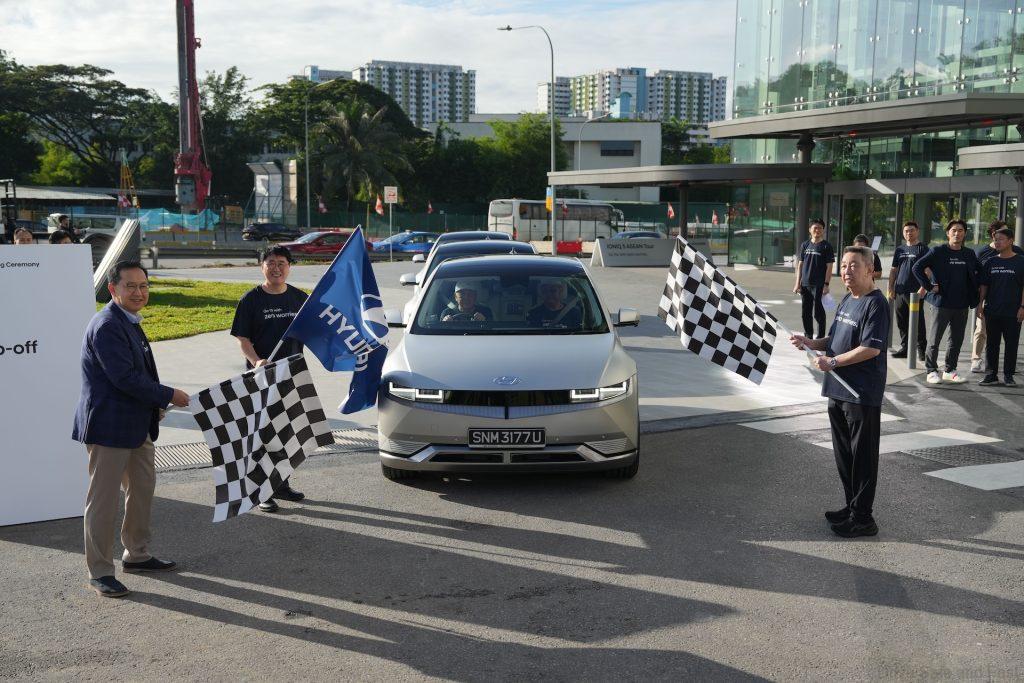
Why Singapore Is Scaling Back Incentives
The Land Transport Authority (LTA) and National Environment Agency (NEA) explained that EVs are already approaching price parity with ICE cars. In fact, 80% of new cars and taxis registered from January to August 2025 were cleaner energy models, with nearly half of them being electric.
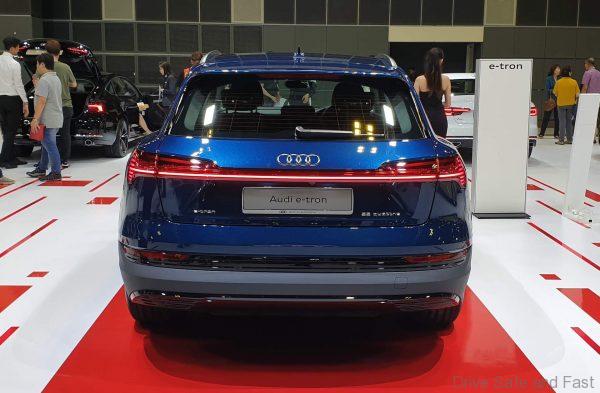
This makes it clear: incentives are no longer needed at the same level, and the focus now shifts towards structural policies and emission-based penalties.
Can Malaysia Adopt the Same Strategy?
Malaysia’s current EV policies include:
- CBU EV import and excise duty exemptions until 31 Dec 2025.
- Road tax exemption until the same date.
- CKD EV incentives extended until 2030.
However, Malaysia does not have an ARF or COE system like Singapore. This means we cannot copy Singapore’s scheme directly. What’s more, we have national carmakers to protect, thus sub-RM100K EVs will probably be out of the question for any manufacturer that isn’t Perodua or Proton even once localisation of parts begins.
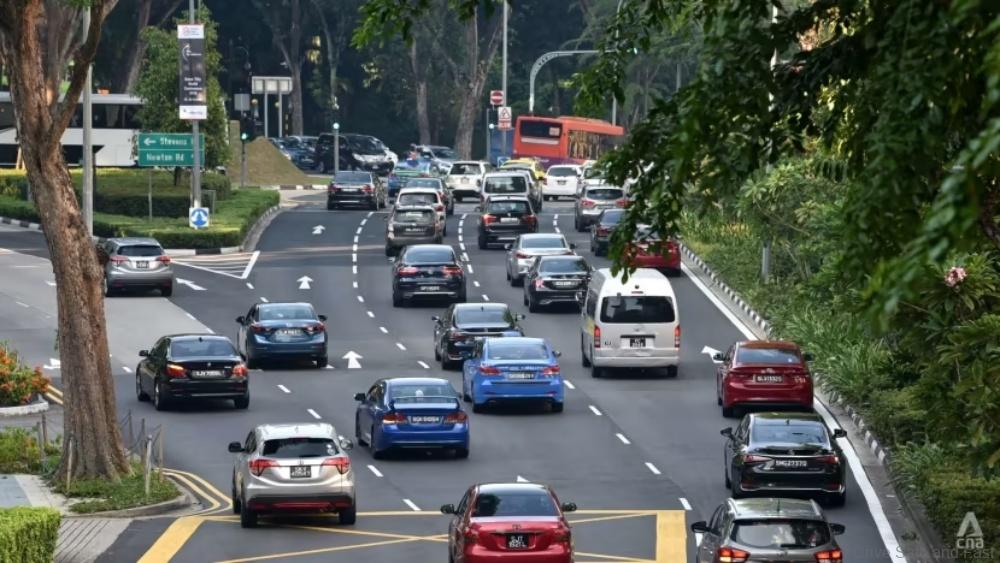
Still, there are lessons we can take:
- Move from blanket exemptions to targeted rebates. Instead of removing incentives overnight in 2025, Malaysia could introduce a fixed rebate (RM15,000–RM20,000) on EV purchases, tapering down each year.
- Introduce an emissions-based penalty system. High-emission SUVs and MPVs could face higher excise duties, with that revenue used to fund EV rebates.
- Protect CKD investment. Maintain local assembly incentives to attract global automakers and strengthen the national automotive industry.
- Support affordability through road tax policies. Continue offering discounted EV road tax beyond 2025 to reduce running costs and improve buyer confidence.
The Road Ahead for Malaysia
Singapore’s example shows how to manage a smooth transition: start with strong financial incentives, then scale them back as EV adoption grows. Malaysia is still in the early stages, with EV sales making up a much smaller share of new registrations. For us, the priority should be to sustain demand beyond 2025 without overburdening government finances. By learning from Singapore’s phased approach, Malaysia can design policies that encourage EV adoption while keeping the industry competitive and consumers confident.

