


What Makes A Classic BMW So Desirable Even Today
In our books, the classic BMW design (from 20 years ago and more) is defined by a dynamic muscular stance with short overhangs, twin round headlights, a long hood and wheels pushed to the corners to create an athletic, forward-moving silhouette.
Then, we need key features that include the double-kidney grille, the iconic Hofmeister kink (a specific bend in the rear window’s lower edge), and expressive L-shaped taillights, all contributing to a balanced, elegant, and recognisable brand identity that conveys sportiness and precision.
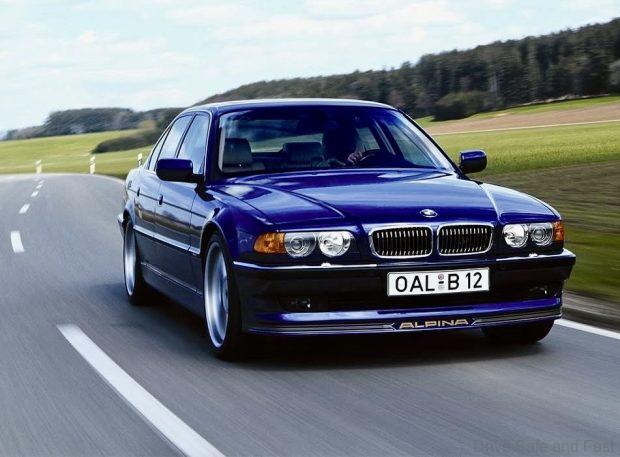
Classic BMW Design
Proportions: A characteristic silhouette with a long hood, short overhangs, and wheels positioned at the corners to give a planted, dynamic look.
Double-Kidney Grille: The iconic front grille, a fundamental design feature that has been reinterpreted over time to maintain its recognisability while evolving with new models.
Hofmeister Kink: A distinct bend or curve at the base of the C-pillar, named after former BMW engineer Wilhelm Hofmeister.
L-Shaped Taillights: A distinctive and elegant lighting signature for the rear of BMW vehicles.
Overall Stance: A design that makes the car look dynamic and ready for action, even when stationary, reflecting the brand’s emphasis on “sheer driving pleasure”.
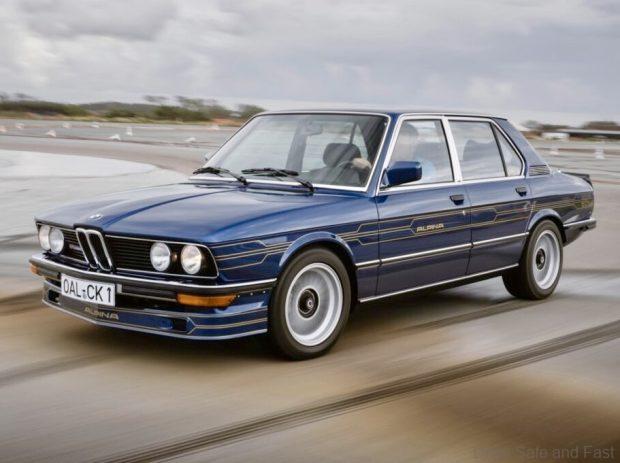
Evolution and Tradition
The Neue Klasse (1960s): The original Neue Klasse sedan from the 1960s is considered the “father” of the modern BMW sports sedan, establishing a segment that combined sportiness with exclusivity.
Design Language: BMW’s design has traditionally focused on clean lines and a strong character rather than overly complicated styles.
Modern Interpretation: Recent concepts like the Vision Neue Klasse aim to return to classic BMW design principles, emphasising clarity and bold, reduced forms while integrating modern technology.
Inspiration: Elements like the double-round headlights and the overall crease line also contribute to the cohesive and iconic BMW design language seen even in modern models
Meanwhile, BMW’s “New Class” series of sport-oriented sedans were designed to establish their reputation as a leading manufacturer of sport-oriented cars, with the first model, the BMW 1500, being designed starting in 1961.
Did you know that other key design milestones include the first-ever kidney grille on the BMW 303 in 1933, the development of the BMW 328 in 1936, and the introduction of the Isetta bubble car, which saved the company in the late 1950s.
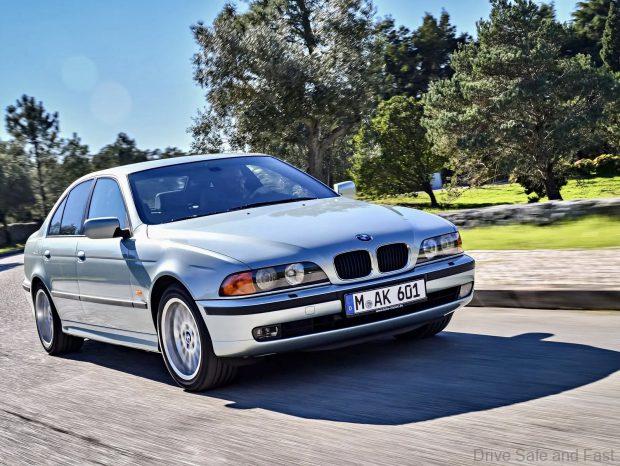
Key Design Milestones for BMW
1933: The introduction of the BMW 303 featured the company’s iconic kidney grille, a distinctive and enduring design element.
1936: The BMW 328 was launched, a car with an efficient and groundbreaking design, and was a significant milestone in the company’s history.
1959: The BMW Isetta was introduced. While the company’s initial post-war attempt at producing a luxury car was unsuccessful, the Isetta helped save the company and allowed it to continue as an independent entity.
1961: The “New Class” line of compact sedans was unveiled, marking the start of the company’s reputation for sport-oriented cars. This was a significant design change that resonated with the times.
1975: BMW introduced the 3 Series, the successor to the New Class and a significant car in the history of BMW.

