

Proton wants to take on the Bezza sales success with this latest SAGA
The message Proton is sending to Perodua with the latest Saga is a competitive one, focused on closing the technology gap and increasing market share.
By introducing more modern cabin features like the newer engine and enhanced capabilities, Proton is positioning itself to offer a compelling alternative that competes directly with Perodua’s offerings, especially in the affordable sedan segment. This comes as Proton aims for ambitious sales targets, signalling its intent to become a stronger rival to Bezza (its already 3 years since the last facelift) which is the dominant market player.
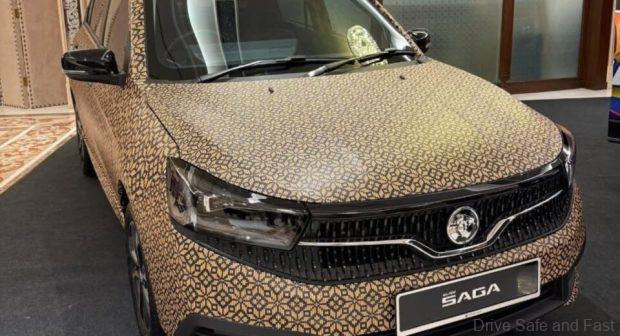
Technological advancement: The new engine and supporting technologies like ADAS in the latest models show Proton is committed to equipping its cars with more advanced features than its competitors, even in the entry-level segment. Moving into the new Saga’s interior we see an overhauled dashboard housing a pair (2) of large screens (that are surrounded by a set of even larger surrounds). Just below sit pill-shaped air-conditioning vents, along with a welcome selection of physical buttons. As for what’s under the bonnet, the ‘i-GT’ badge on the boot lid likely points to a non-turbo version of the new 1.5-litre four-cylinder petrol.
Speaking of buttons, there is now a dedicated panel to the right of the driver that is home to the side mirror controls and engine start button. Other subtle changes Saga anoraks will notice include new door cards, redesigned wiper and light stalks, as well as reprofiled seats.
Increased competitiveness: By upgrading the Saga, Proton is directly challenging Perodua’s established position in the budget-friendly sedan market, particularly in price-sensitive segments.
Ambitious growth targets: Proton has set aggressive goals to increase its annual sales significantly, which requires taking market share from competitors like Perodua.
Shifting the market: Proton’s strategic moves, such as the development of its own EV, are changing the perception of what a “Malaysian car” can be, pushing both companies to innovate in different price brackets.

