


There seems to be no takers for Maserati in Malaysia
Why is this iconic Italian sports car brand sitting on the shelf with no interested parties seeking to revive it in Malaysia?
After years of trying to get the Maserati brand moving along in Malaysia, Naza Italia finally retired the brand earlier this month (December 2025).
Just like FIAT (pictured below) which was retired from Malaysia by Torino Motors decades ago, never to be revived and Lancia which has been missing for more than 3 decades, the Italian automobile industry is declining globally with only Ferrari and Alfa Romeo having some movement globally.
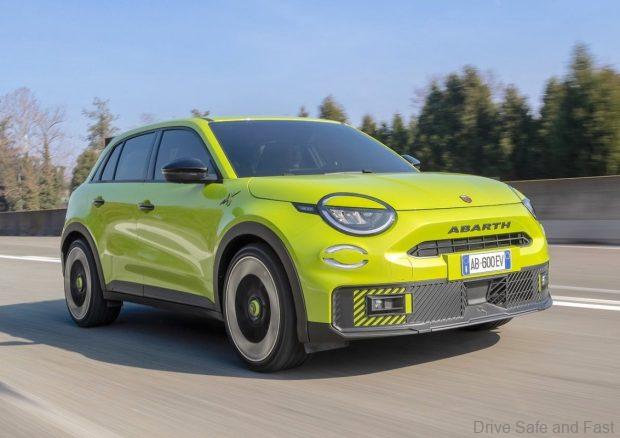
Maserati is in global trouble primarily due to a depreciation crisis, strategic mis-steps by past management, and an uncompetitive product lineup that has led to a significant drop in sales. The company is currently operating at a loss.
From January to October 2025, Maserati registered around 6,442 cars in its main markets. With a few hundred more units expected by the end of the year, the brand should struggle to reach 8,000 worldwide sales, a historically low level, the lowest since 2012.
In the United States, Maseratis leading market, the fall was spectacular, with a staggering 38% drop over ten months. Only 2,556 units, compared with over 4,000 during the same period last year. The month of October illustrates the worst drop with just 124 registrations for Maserati, compared with 244 for Lamborghini and 298 for Ferrari. It is a hard comparison to swallow for a brand that once aspired to play in the same league.
In Italy, Maserati’s second-largest market, the decline has reached -25 % with 1,512 units since January. The month of October saw 114 registrations, a low volume for a national brand that is supposed to embody Italian luxury.
Key factors contributing to Maserati’s difficulties include:
Rapid Depreciation and Poor Residual Values: Maseratis lose value faster than almost any other luxury brand, with some models losing over 70% of their value in just three years. This high depreciation scares away potential new buyers and affects demand in the used car market, as dealerships slash prices to move inventory.
Strategic Missteps and Loss of Exclusivity: In the past, Maserati pursued a high-volume strategy to rival brands like BMW M, Mercedes AMG and Porsche, which diluted its image of exclusivity and weakened the brand’s luxury appeal.
Outdated Technology and Mechanical Issues: While known for Italian design and powerful engines, Maserati models often fall short in technology, refinement, and performance benchmarks compared to competitors. Common issues include electrical gremlins, suspension problems, and transmission hesitation, which lead to high maintenance costs and further lower secondhand demand.
Lack of a Competitive Product Plan: The brand has been slow to introduce new, relevant models, particularly in the performance hybrid and electric vehicle (EV) segments, while rivals like Ferrari and Lamborghini have moved forward. This lack of innovation has left customers, dealers, and enthusiasts waiting for concrete announcements.
Declining Sales Figures: The consequence of these issues is sharply declining sales. In 2024, Maserati sold approximately 11,300 vehicles, a dramatic fall of over 50% from the 26,600 registered in 2023. Meanwhile, in 2024, the brand registered a 290 million euro loss.
Stellantis, Maserati’s parent company, is aware of the critical situation and has made management changes, but the brand’s recovery is not expected to begin until 2027 at the earliest, with profitability targeted for 2028.
Meanwhile, Stellantis, has committed to a 10-year investment plan, management changes and internal challenges within the larger group create uncertainty for Maserati’s future.

