

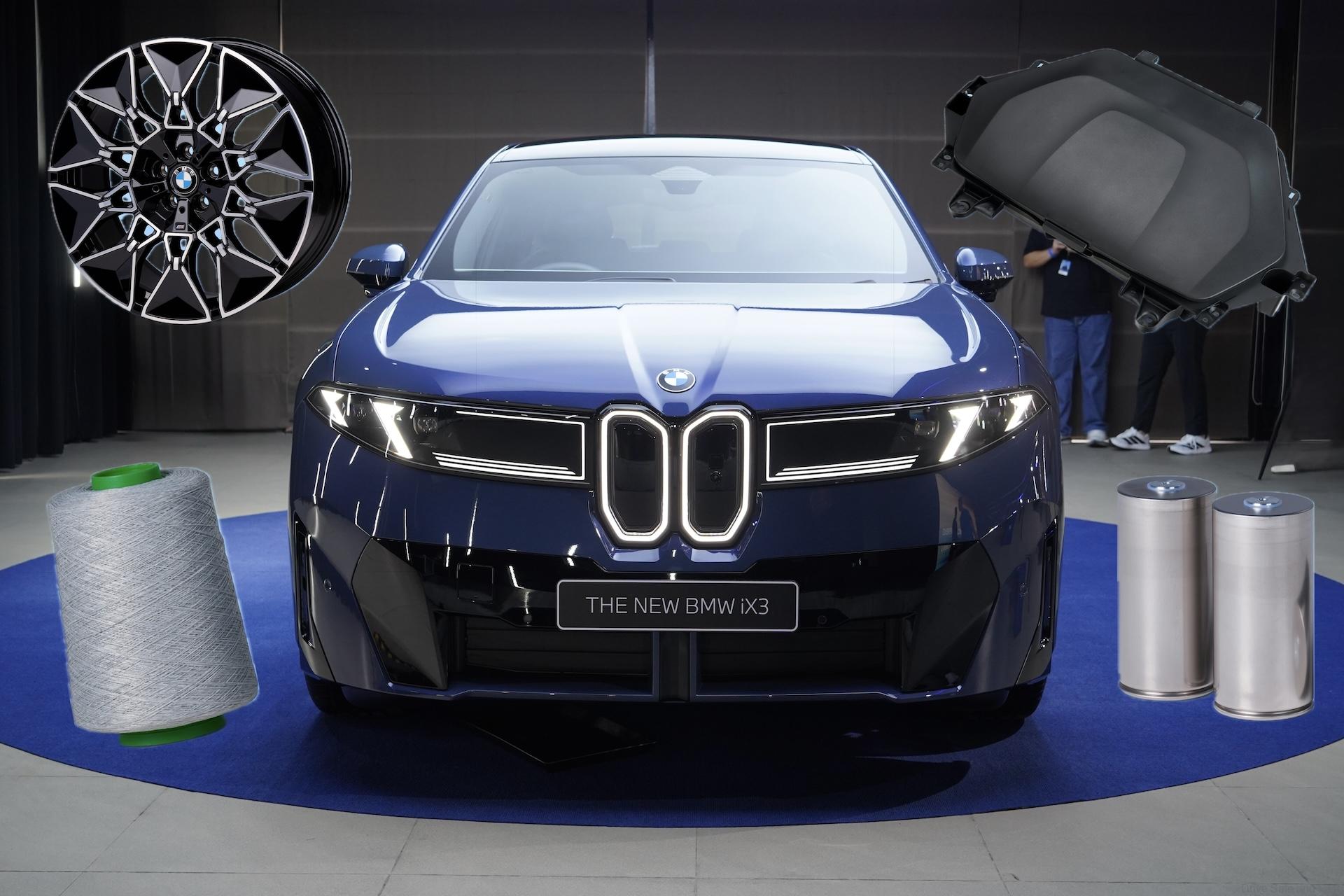
When developing the new BMW iX3, circularity was a major part of the equation.
Just about every car company is building an EV, but BMW wanted to build one that reflected its values and those of its its customers. Thus, during the development of its all-new iX3, circularity was an extremely import part of project. The iX3 is second vehicle on the company’s Neue Klasse platform after the i3 and this SUV features 700kg of recycled materials, that’s a third of the entire bill of materials.
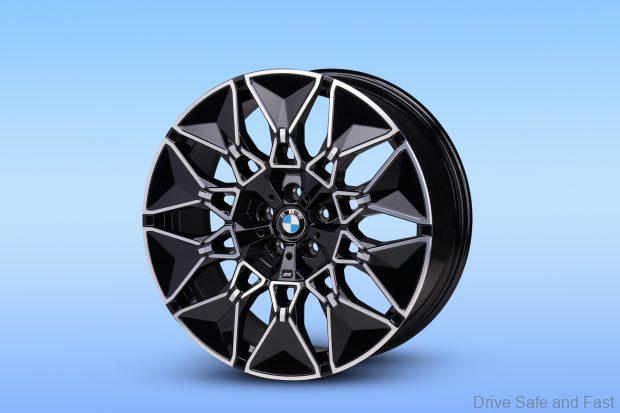
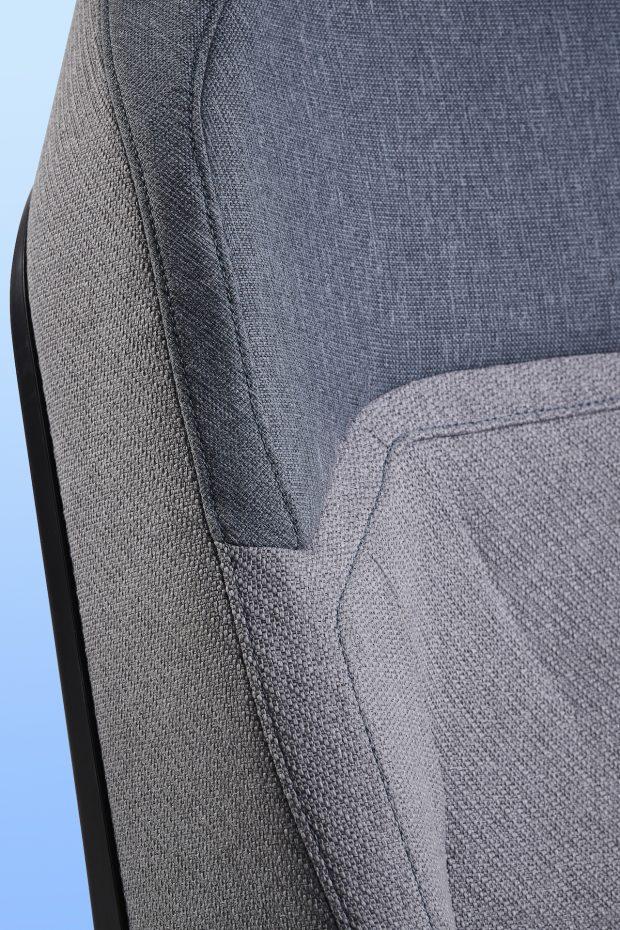
That means that the bumpers are 2nd life plastics and 70% of the content of the alloy wheels and wheel carriers comes from recycled aluminium. On the models outfitted with fabric upholstery, that material (called Econeer) comes from recycled water bottles. The engine compartment cover and the storage area under the front hatch are made from recycled fishing nets and ropes, giving these marine waste products a place to do some good for a change.
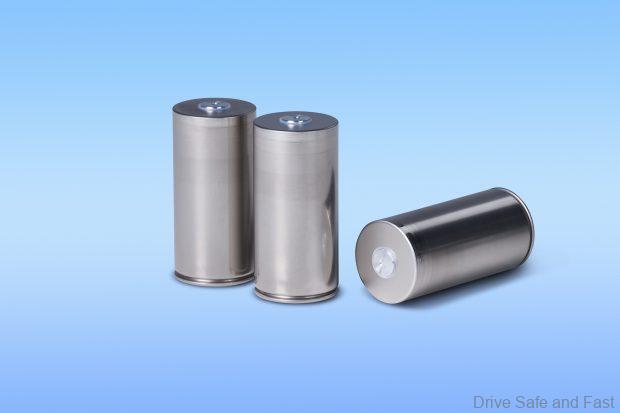
BMW has also reduced the carbon impact of these Neue Klasse products dramatically versus competing EVs. They set up a plant in Debrecen, Hungary exclusively to produce these new vehicles and this plant is run on fossil-free energy, mostly from a mix of solar and wind energy. As for the new Gen6 battery cells, they’ve designed it to incorporate 50% secondary raw materials. This includes all the lithium, coblat and nickel which are the most damaging to the environment to mine.
EVs use more carbon than ICE vehicles in its production and that’s still the case with the iX3. On a typical EV, one would have to drive 3 years or 40,000km in order to ‘breakeven’ with an ICE vehicle. However, because of all the measures taken by BMW in the production design of the iX3, it only takes 1 year or 17,500km to reach that breakeven point.
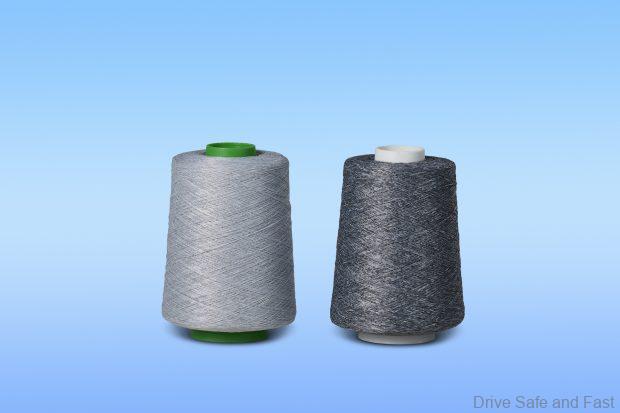
The whole car has been designed for disassembly from the start, to make it easy to separate into individual materials for recycling.

