


MITI is doing exactly the same ‘chess move’ as its counterparts in Thailand and Indonesia to assure investment in vehicle assembly and local job creation is complete. Without this ‘push’ which many Malaysians do not understand, local jobs will be lost and even worse, income tax revenues will drop further.
Malaysia’s automotive market has evolved from a quiet Southeast Asian sales arena into a fiercely competitive arena for new foreign automakers, most notably Chinese Vehicle (with EV and PHEV and also ICE) giants like BYD, Chery, SAIC and Great Wall Motor (GWM).
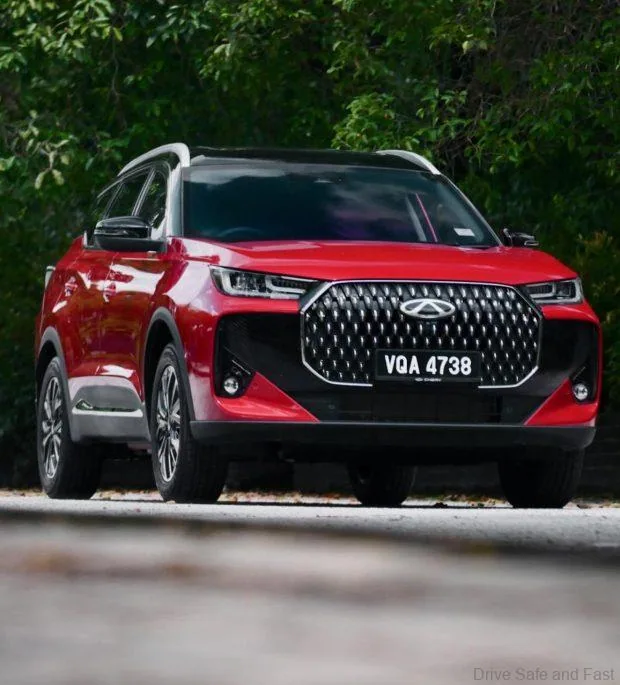
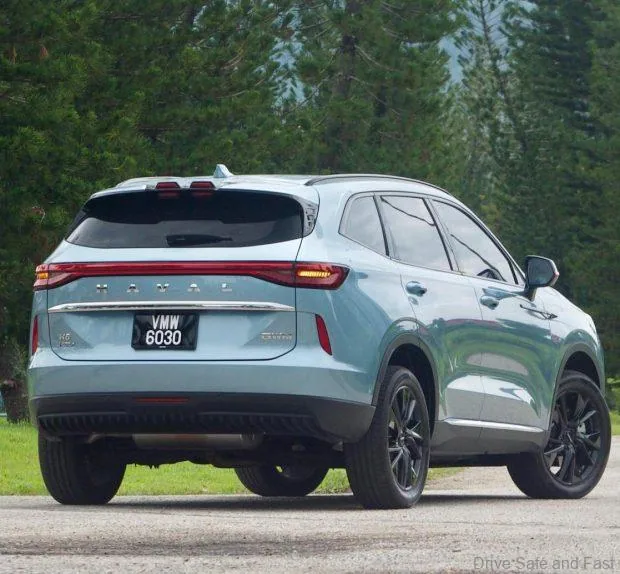
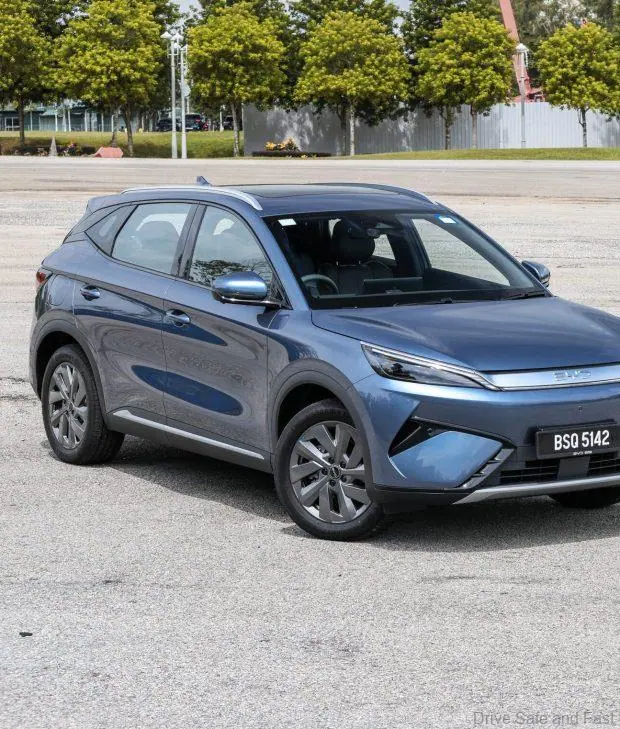
Take note that GWM was the first Chinese auto manufacturer to arrive and set up in Malaysia and this will followed by the other big and also some small players in recent years.
In the early days, after COVID-19, MITI welcomed all new auto brands with open arms ….. just like Indonesia and Thailand. All three countries provided loads of incentives as the long term financial gains looked very rosy. Just like MITI in Malaysia, the Thai and Indonesian equivalent agencies worked closely to provide easy documentation and access to government officials for major vehicle launches to ensure HIGH media coverage.
However, the Ministry of Investment, Trade and Industry (MITI) has significantly tightened regulatory screws in recent months ….. just like with their counterparts in Indonesia… and also Thailand.
From escalating Completely Built-Up (CBU) import floor prices to strict local assembly (CKD) manufacturing constraints, selling imported Chinese cars in Malaysia is no longer a low-barrier, duty-free arena.
This regulatory shift is not an accidental bottleneck; it is a calculated industrial policy. Here below is an analysis of why MITI is adopting a strict posture toward imported Chinese vehicles and what it means for the future of Malaysia’s automotive economy.
Ending the CBU Era: The Push from Imports to Local Assembly (CKD)
During the initial phase of Malaysia’s National EV Policy (2022–2025), the government granted full import and excise duty exemptions on CBU electric vehicles. The strategy worked: EV adoption surged rapidly. However, foreign automakers, particularly new entry Chinese auto brands began utilizing Malaysia primarily as an import market rather than investing in local factories and manpower.
To pivot from an import-driven market to a manufacturing hub, MITI introduced strict updates to the Franchise Approved Permit (AP) system for CBU EVs.
There is the RM200,000 Minimum CIF Value. Importers can no longer bring in entry-level CBU EVs. With taxes, duties, and distributor margins applied, the minimum landed cost pushes the on-the-road (OTR) retail entry price of any new CBU EV to around RM300,000.
Then there is the 180 kW (~245 hp) Power Output Floor. Here is where CBU import privileges are restricted strictly to only high-performance, premium models.
By effectively locking CBU imports out of the middle-market (RM100,000 – RM200,000), MITI forces Chinese auto manufacturers into a clear binary choice of build factories and assembly lines locally in Malaysia, or exit the mass market entirely and remain a CBU brand.
The most urgent driver behind MITI’s strict policy is protecting national automakers, Proton and Perodua and their eco-system.
As Chinese auto manufacturers aggressively price their mass-market EVs globally, unregulated imports of RM80,000 to RM130,000 vehicles would undercut national brands before their own electrification strategies matured (Perodua QV-E).
Proton (which is backed completely by Geely) and Perodua (which is backed by Daihatsu) are pouring billions of Ringgit into localizing their own electric platforms.
The RM200k CBU import floor reserves the mass-market RM100,000–RM180,000 price segment for locally assembled models. This creates an essential breathing room for domestic brands to establish local market dominance and control more than half of the total number of vehicles sold annually in Malaysia.

