

Europe’s second-largest automaker Stellantis faces catastrophic financial pressure as US trade tariffs drive losses toward €1.5 billion, threatening plant closures and industry stability.
The automotive industry is witnessing unprecedented financial devastation as Stellantis tariff losses reach alarming proportions under the Trump administration’s aggressive trade policies. The multinational corporation, which produces luxury Maserati vehicles alongside popular brands including Lancia, Peugeot, and Fiat, projects that US tariffs on both cars and car parts will cost the company €1.5 billion throughout 2025.
This staggering financial impact represents more than theoretical accounting adjustments – it signals a fundamental threat to European automotive manufacturing. The Stellantis tariff losses have already inflicted €300 million in damage during the first six months of 2025, demonstrating the immediate and tangible consequences of escalating trade tensions between the United States and European Union.
Cascading Financial Crisis
The tariff burden compounds existing operational challenges that have severely impacted Stellantis’s financial performance. Net profits collapsed dramatically from €5.6 billion in the corresponding period last year, creating a cash crisis that forced the company to burn through €3.3 billion following the cancellation of a hydrogen fuel cell project. Additional financial pressure emerged from changes in US carbon emission regulations and substantial write-downs on platform investments.

These mounting pressures create a dangerous spiral that threatens the stability of Europe’s automotive sector. Carmakers drive approximately 7% of EU GDP according to the European Commission, while supporting around 14 million jobs across complex supply chains. The sector delivers one of the bloc’s largest export surpluses annually, making the Stellantis tariff losses a bellwether for broader economic consequences.

The ripple effects extend far beyond automotive assembly lines. European automakers invest more than €70 billion annually in engineering and technological innovation, with breakthroughs often benefiting technology, steel, chemicals, and logistics industries. Financial strain on major manufacturers like Stellantis threatens this innovation ecosystem, potentially undermining Europe’s competitive position in emerging technologies.

Management Scrambles for Solutions
Newly confirmed CEO Antonio Filosa faces the unenviable task of navigating these turbulent conditions while managing escalating political and labor pressures. The Stellantis tariff losses increase the likelihood of plant shutdowns, delayed model launches, and contentious negotiations with unions as management attempts to bridge the widening cash gap.
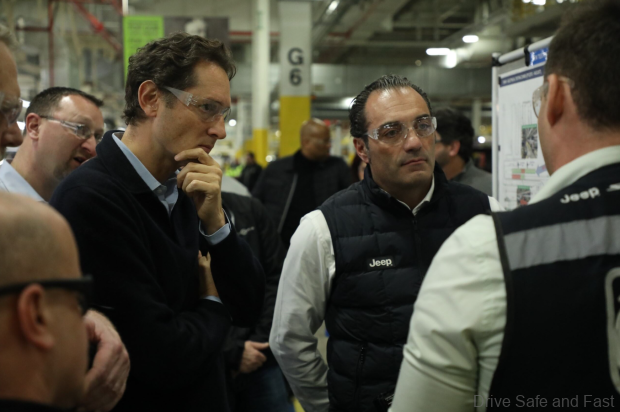
Filosa’s appointment comes at a critical juncture when decisive leadership becomes essential for corporate survival. His commitment to “make the tough decisions needed to re-establish profitable growth and significantly improve results” suggests impending restructuring measures that could reshape the company’s global operations.

Despite the challenging outlook, Stellantis projects revenue increases over the next six months compared to the first half of 2025, when revenues dropped 13% to €74.3 billion. The company also anticipates improved cash flow, though these optimistic forecasts must be weighed against persistent tariff pressures and market uncertainties.
Industry-Wide Implications
The Stellantis crisis reflects broader vulnerabilities within European automotive manufacturing as trade protectionism reshapes global markets. The company’s struggle to maintain profitability while absorbing tariff costs highlights the sector’s exposure to political decisions made thousands of miles from production facilities.

As negotiations between the EU and Trump administration continue, the automotive industry remains caught between competing political priorities and economic necessities. The ultimate resolution of these trade disputes will determine whether current losses represent temporary setbacks or permanent structural changes to transatlantic automotive commerce.

