

JLR finds an unexpected area of improvement for its ESG goals.
JLR (Jaguar Land Rover) continues to push the boundaries of sustainable luxury with a groundbreaking engineering update to one of the most critical components in vehicle design. The luxury automotive manufacturer has successfully reengineered the instrument panel crosscar beam, a move projected to save over 50,000 tonnes of CO₂ annually.
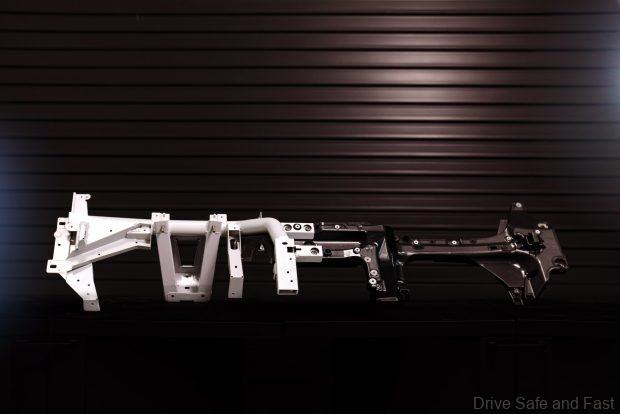
This innovation marks a significant step in JLR’s Reimagine strategy, demonstrating how advanced engineering can deliver environmental benefits without compromising safety or the premium driving experience clients expect.
Reimagining the Backbone of the Cockpit
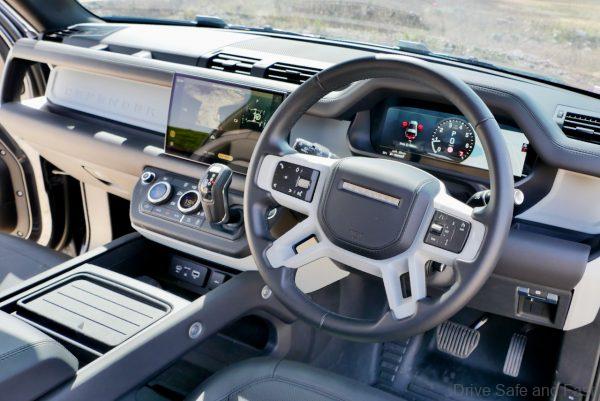
The crosscar beam is often unseen by the driver, hidden behind the dashboard, yet it serves as the structural backbone of the vehicle’s cockpit. It plays a vital role in protecting occupants, supporting airbag systems, and managing Noise, Vibration, and Harshness (NVH) levels to ensure a quiet, refined cabin.
Traditionally, these beams have been manufactured using magnesium or steel—materials known for their strength but also for their high carbon intensity during production. JLR’s new approach replaces these traditional materials with a cutting-edge composite structure comprising fibre‑reinforced plastic and steel.
A Hybrid Material with Heavy Impact
Developed through a research project in collaboration with suppliers Celanese, CCP Gransden, and Petford Group, this new hybrid material eliminates the need for magnesium entirely. Since magnesium production is highly energy-intensive, removing it from the manufacturing process results in a massive reduction in carbon emissions.
To put the 50,000-tonne CO₂ reduction into perspective, JLR notes that this saving is equivalent to the average yearly energy consumption of approximately 17,000 UK homes.
Uncompromising Safety and Refinement
For a luxury brand like JLR, sustainability cannot come at the cost of performance. The new fibre-reinforced plastic and steel composite underwent rigorous testing to ensure it meets the brand’s exacting standards.
The results proved that the hybrid structure offers the best of both worlds:
- Lightweight Efficiency: The fibre-reinforced plastic reduces overall weight.
- Superior Strength: The steel integration maintains high stiffness and structural integrity.
- Crash Safety: The material is engineered to absorb energy effectively during an impact, crucial for passenger protection.
By adopting this lighter, lower-carbon solution, JLR creates a quieter, safer, and more eco-friendly vehicle, proving that modern luxury and environmental responsibility can go hand in hand.

