


European auto manufacturers, Volkswagen, Stellantis, and Renault have jointly submitted a proposal to the European Union calling for regulatory rules that better support local automotive manufacturing in Europe. Together, these three companies account for 60% of vehicle production in the EU.
Their proposal includes establishing a clear framework to incentivize sourcing components within Europe and keeping more research and development (R&D) and final vehicle assembly activities on European soil. The automakers propose adjusting current policies to safeguard the automotive sector which is a critical industry, amid challenges such as technological gaps, intensifying global competition, and persistently high energy, manufacturing, and regulatory costs.
European carmakers are also grappling with an unstable transition to electrification and weak market demand, leading to significantly under utilised factory capacity.
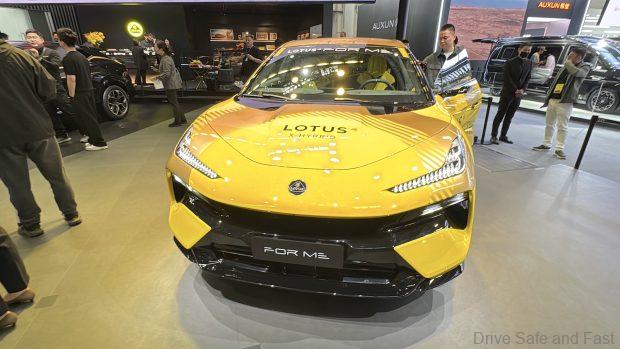
Meanwhile, new competitors are entering the market by leveraging the shift toward electric vehicles. The three companies argue that the “Made in Europe” provisions outlined in the EU’s Industrial Acceleration Act, proposed at the end of last year, should be implemented in tandem with CO₂ emissions regulations.
Specifically, they recommend that 70% of models produced in Europe meet localization requirements, with at least 70% of the work and component value for those models originating from EU member states, as well as Norway, Iceland, and Liechtenstein.
Companies meeting these criteria would receive “super credits” to offset their fleet-wide CO₂ emission targets. Initially, this mechanism would apply to small electric vehicles manufactured in Europe, but should eventually extend to all EVs produced in the EU.
Additionally, the trio seeks to broaden the definition of “local content” to include not only the origin of parts but also R&D activities and final vehicle assembly in the calculation. This proposal forms part of the EU’s broader package of measures aimed at boosting industrial competitiveness and is currently undergoing the legislative process.
The European Commission published a draft of the legislation in March this year. Non-EU automakers including Toyota, Nissan, and Jaguar Land Rover have expressed concerns that the new rules could exclude components manufactured in the UK, Japan, and Turkey. Toyota operates major production facilities in both the UK and Turkey, while Nissan runs the UK’s largest car plant in Sunderland.

