


The smart #5 Brabus goes up against some really impressive EVs but has some character to it.
We’re now in July 2026 and probably at the end of our tax holiday with regards to well-priced fully-imported electric vehicles. It’s probably the best time to think about picking up a smart #5 BRABUS, as you’ll have a nice amount of pressure on dealers to get rid of aging stock in order to plan for a new market landscape. So, let’s take a quick look at this model which won our VOTY 2026 award for Electric Performance Crossover of the Year .
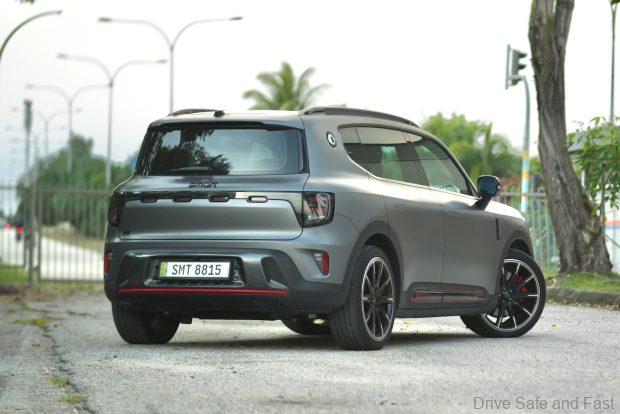
There are multiple layers to this vehicle and it we should unpack each of these layers for a better understanding of what the vehicle is and what it represents. smart as a brand WAS Mercedes-Benz’s way of taking on BMW Group’s MINI some two decades ago.
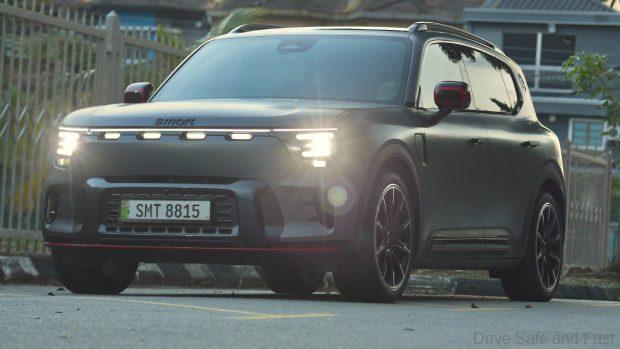
Today, Mercedes-Benz and Geely have joint ownership of the brand with the Germans providing the design and BRABUS performance enhancements, while Geely handling most of the other aspects. It’s actually a really interesting way to set up a brand for success – some legacy branding and performance know how mixed in with the production and vertical integration of one of China’s largest privately-owned car companies.
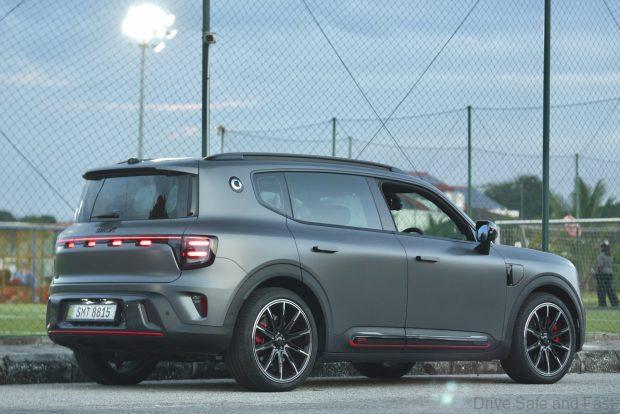
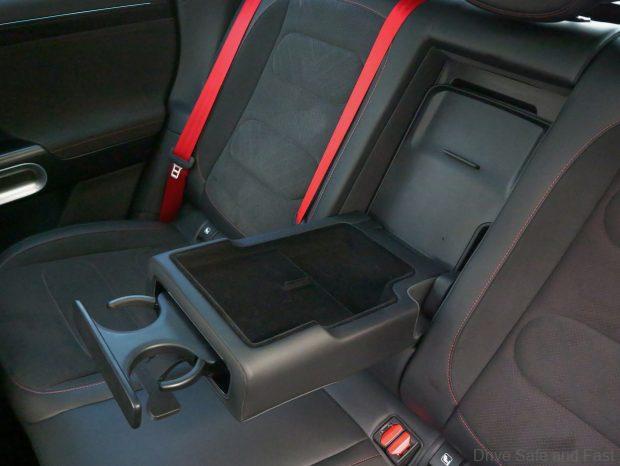
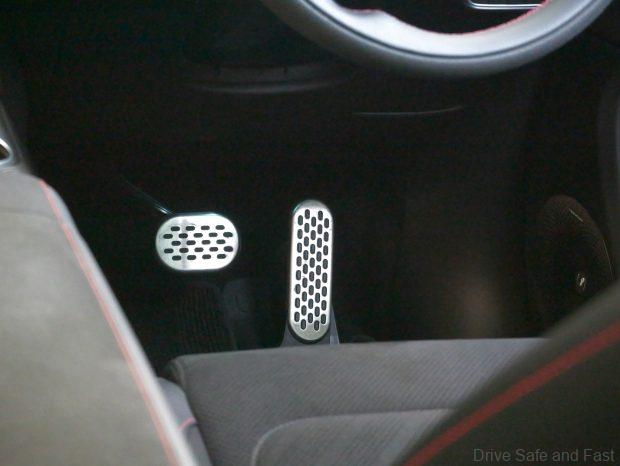
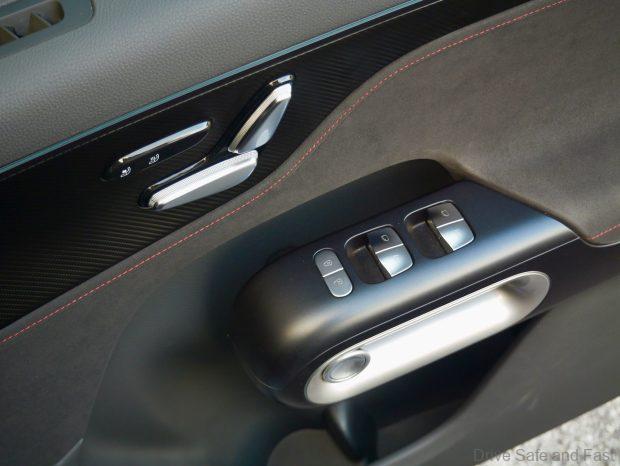
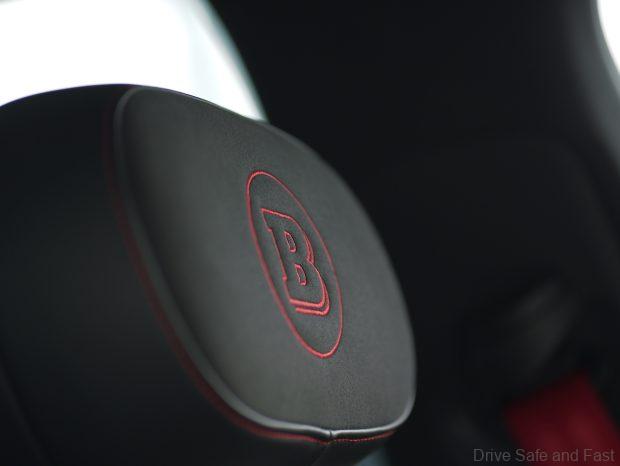
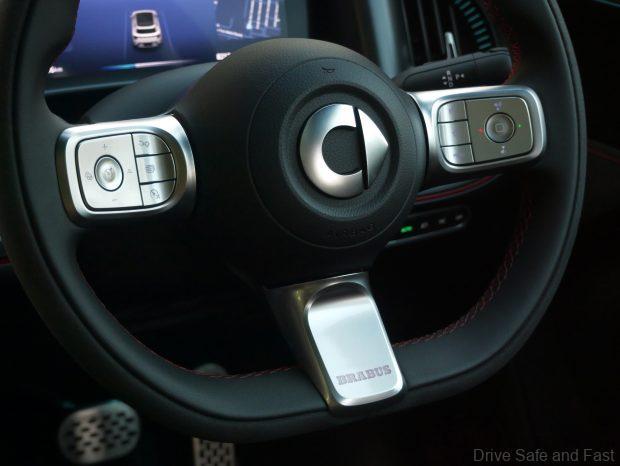
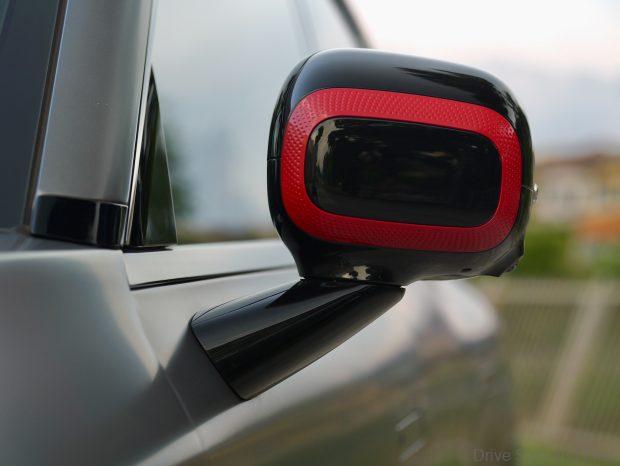
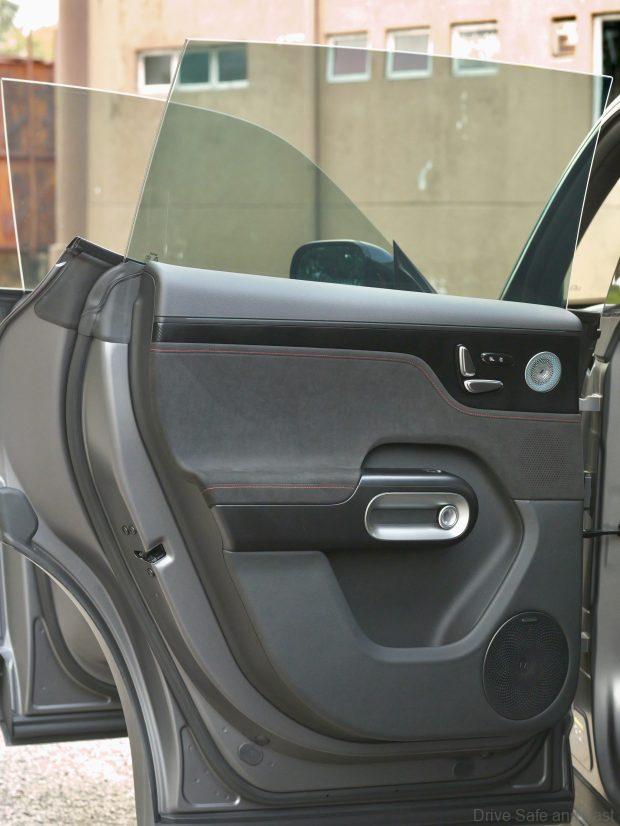
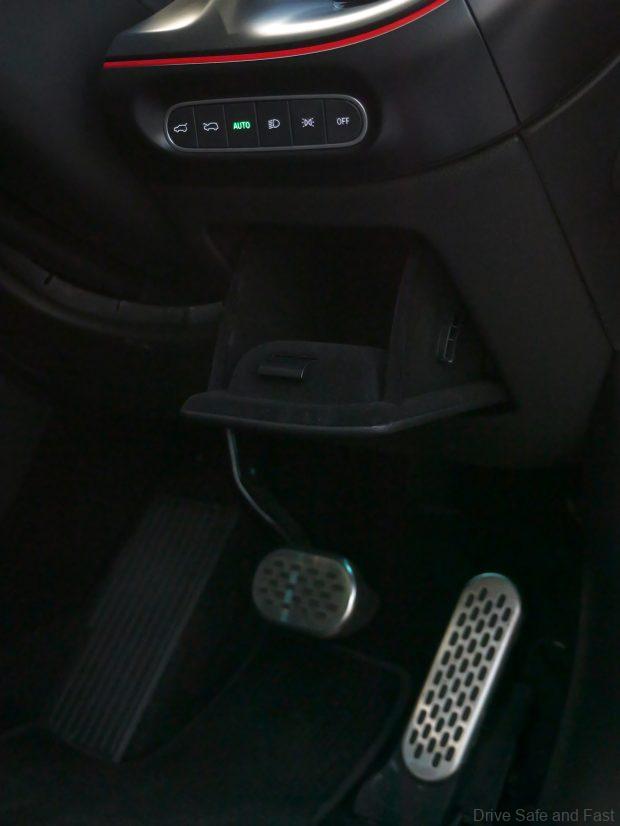
That Mercedes-Benz design DNA is still present here. Take a look at the cup holders in the rear armrest, the rubber-studded aluminium pedal covers, the red seatbelts and alcantara interior and you’ll immediately see what I mean. The #5 BRABUS has got the design genes of an AMG car that has let its hair down. The curves here are bolder and the fun factor has been dialed up. It feels like a Mercedes-Benz with a sense of fun and I’m sure many can appreciate that in a car.
In Malaysia, smart’s distributorship is in the hands of Pro-net, a PROTON subsidiary. Within the smart lineup, the #5 is unique. The earlier models, the #1 and #3, were built on the older Sustainable Experience Architecture 2 (SEA2) while the #5 is on SEA3. Think of the #1 as a sibling to the Zeekr X and the #5 as a sibling to the Zeekr 7X. Needless to say, comparisons to the full spec Zeekr 7X AWD Performance are going to come up in this review, as we’re sure many potential customers are curious about the differences between these two related vehicles.
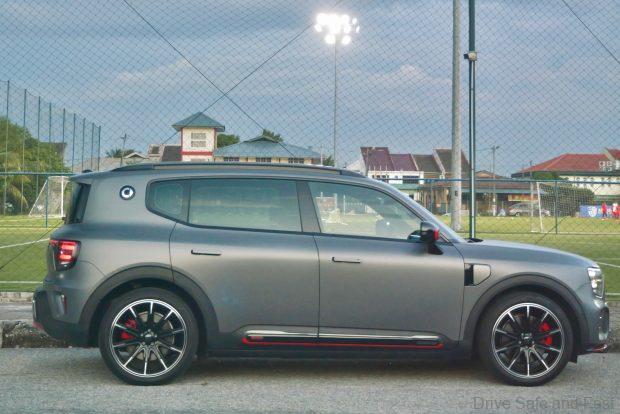
This change in architecture from SEA2 to SEA3 represents a massive improvement in core areas. The most obvious improvement is the size. The earlier smart vehicles were quite tiny, more suited to small families or couples. The #5 stretches the wheelbase from around 2750mm to 2900mm and everything increases as a result. Here’s a table to illustrate the difference in footprint between the three models.
| Specification | smart #1 | smart #3 | smart #5 |
| Length | ~4,270 mm | ~4,400 mm | 4,695 mm |
| Wheelbase | 2,750 mm | 2,785 mm | 2,900 mm |
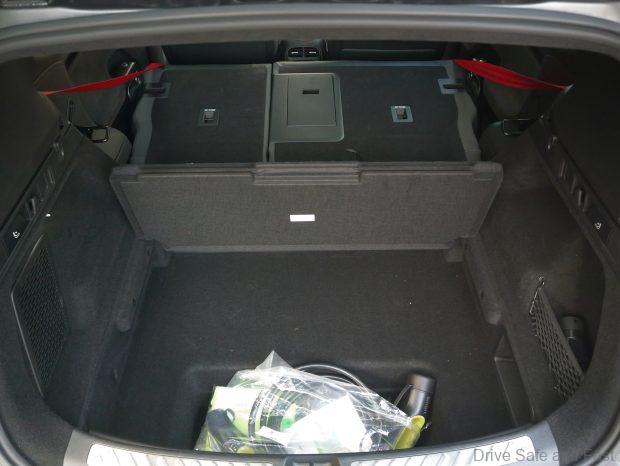
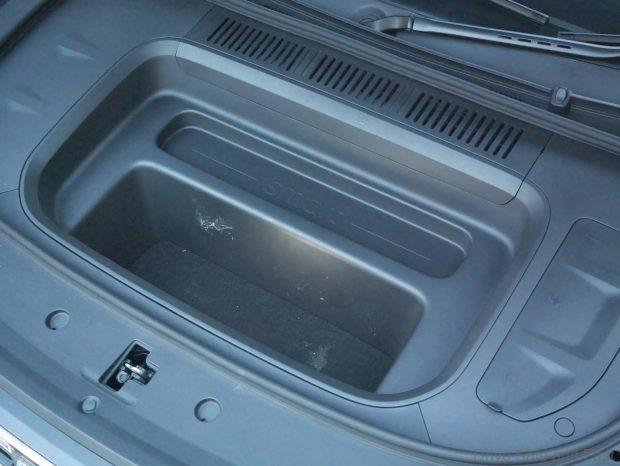
| Max Boot Space | 986 L (seats down) | 1,160 L (seats down) | 1,530 L (plus a 72L frunk) |
It’s a meaningful step up for the brand as it has always felt a little artificially constrained by a need to match MINI’s philosophy of ‘compactness’.
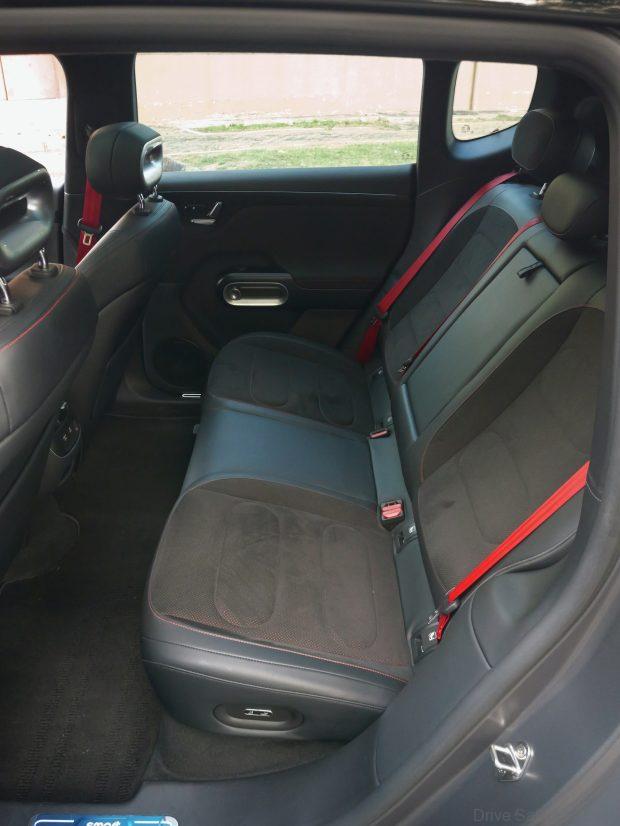
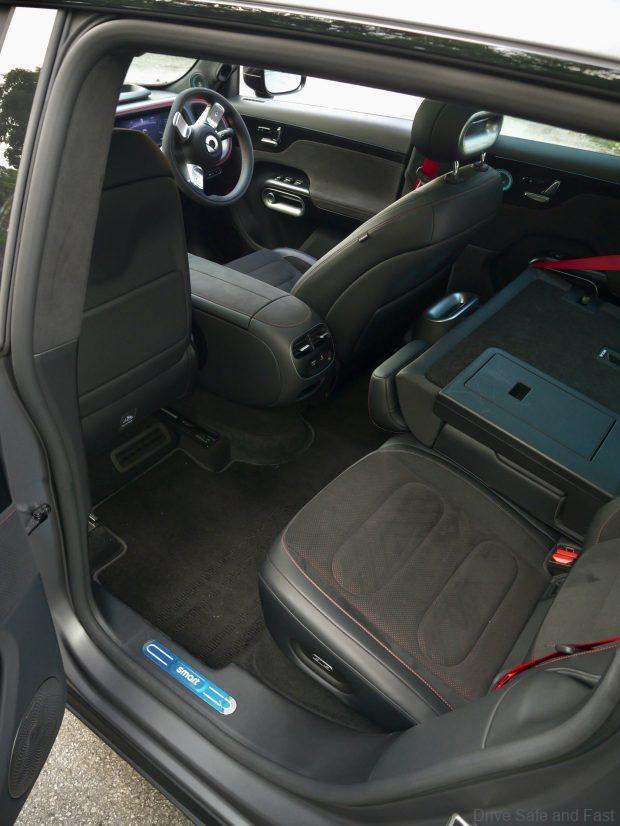
The #5 keeps all the pleasant design aspects of the #1 and #3, but now gives you a family-friendly interior with loads of space for occupants and their cargo.
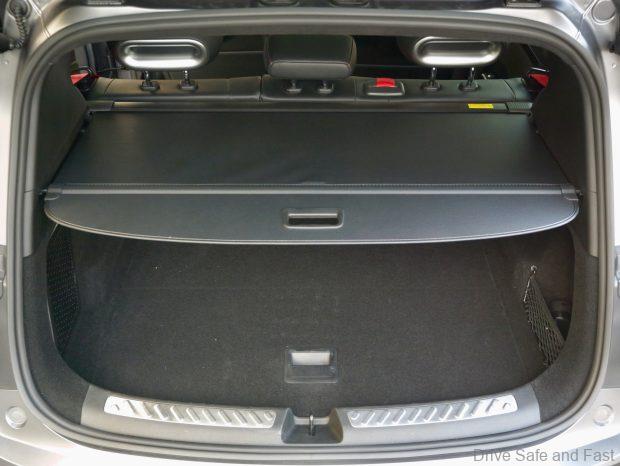
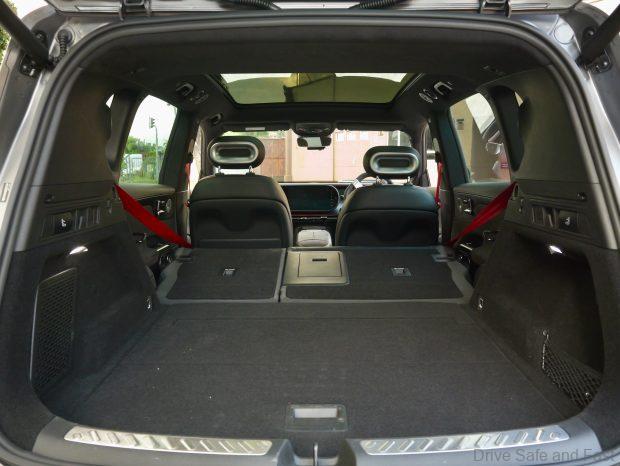
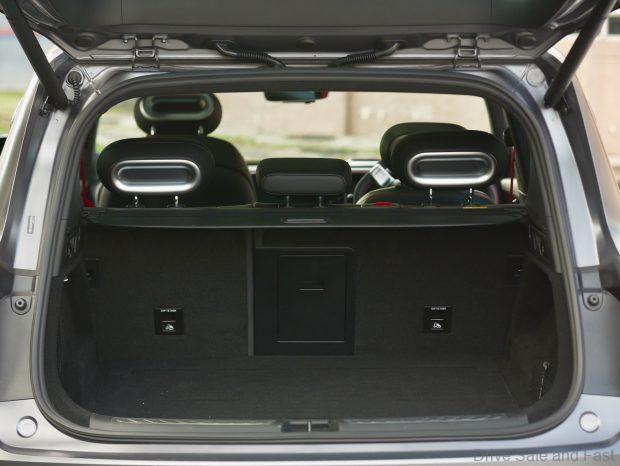
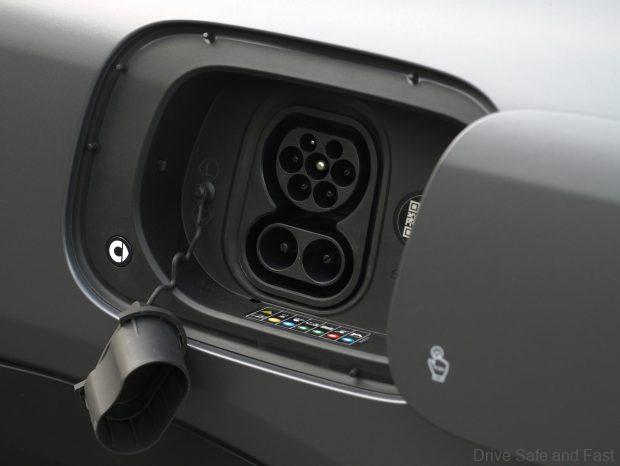
The next difference, which is not so obvious, comes in the form of the 800V platform. The older models use a 400V set-up. While at launch, the 130-150kW DC Fast Charging capabilities of the #1 and #3 were quite impressive, they trail many EVs launched in the last 1-2 years. The #5 can take 400kW DC Fast Charging, so you can theoretically go from a 10% to 80% in about 15 minutes. Realistically though, charging stations in Malaysia don’t reach those speeds. You’ll be lucky to have a 150kW charger all to yourself, as some higher speed charging stations split the maximum load to two. Still, for future-proofing, an 800V architecture is the way to go.
Another not-so-obvious advantage of the improved platform comes in the form of a larger battery – a 100kWh NMC battery. This HAS practical benefits, as you can get 590km of range on the WLTP cycle with a full charge. In my experience, driving a regular #1 from KL to JB and then back required multiple recharges where the #5 would cut down the anxiety and total number of minutes spent at a charger.
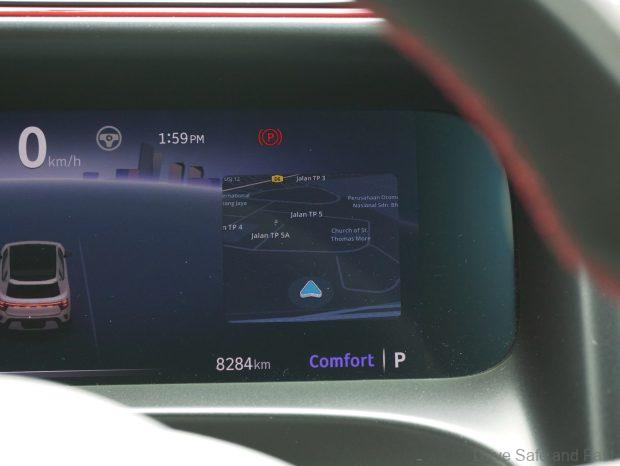
This isn’t really platform related, but I think the #5 also sets itself apart from its smaller siblings in the way that it’s designed to be more SUV-like. The concept car that it’s based on had some off-roader aspirations and this production car does have off-road driving modes, but even the exterior has taken on more rugged design cues.
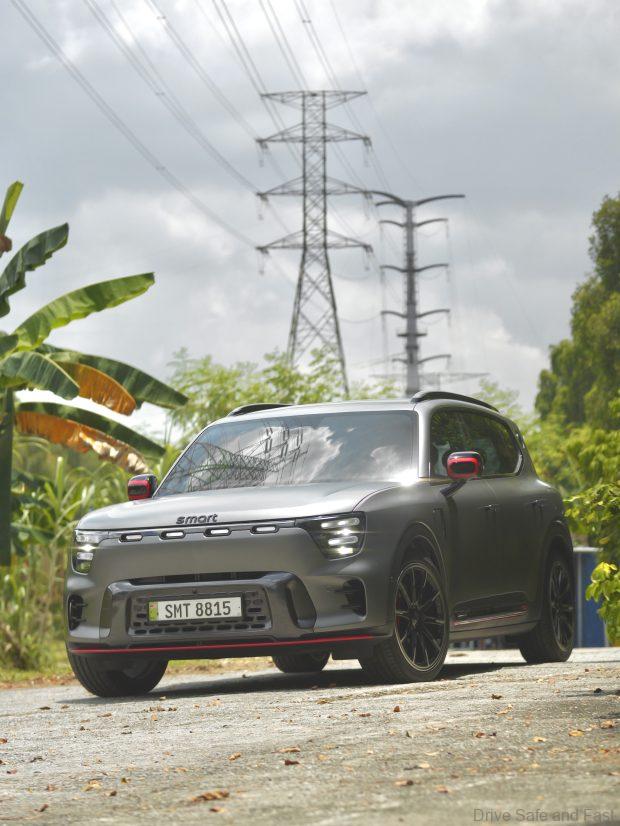
I seriously doubt any customer would want to take it off-road, and I personally didn’t. That being said, there is a ‘glamping’ element to the #5 that I can see being a selling point to some customers.
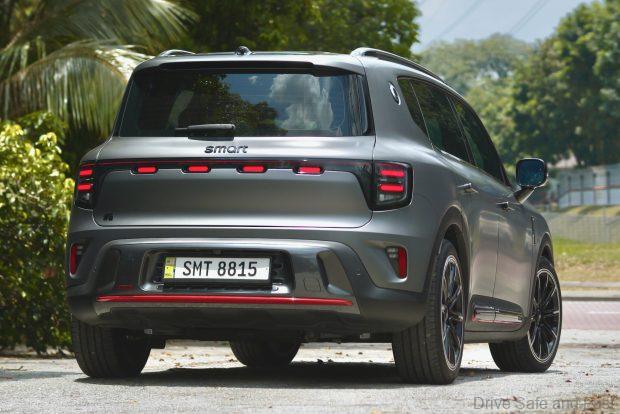
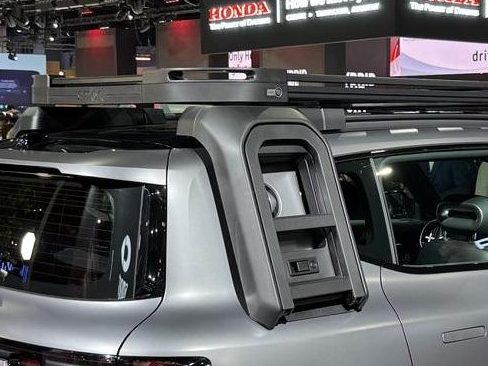
Plus, at KLIMS 2026, smart’s only debut was an accessory pack for the #5 consisting of a roof carrier, a side bag and a side ladder.
Finally, I think the last way it really differentiates itself from the #1 and #3 is in the infotainment set-up. This is a major selling point of the #5 and one that it honestly has over its sibling, the Zeekr 7X. While the two cars are matched in terms of a 21-speaker set-up, smart has the leg up with its Sennheiser sound system with Dolby Atmos. To my knowledge, no other car brand has managed to lure Sennheiser into a partnership.
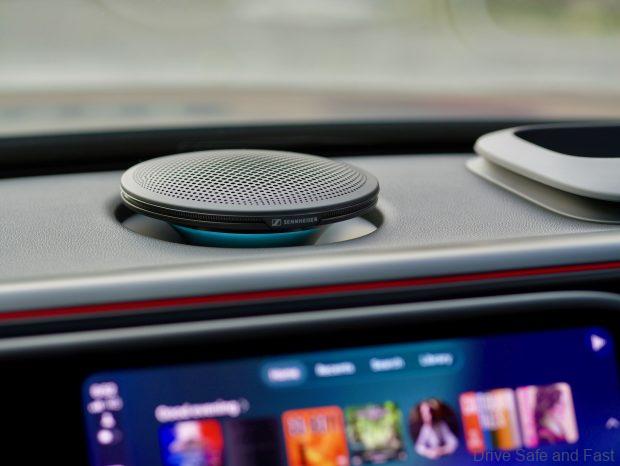
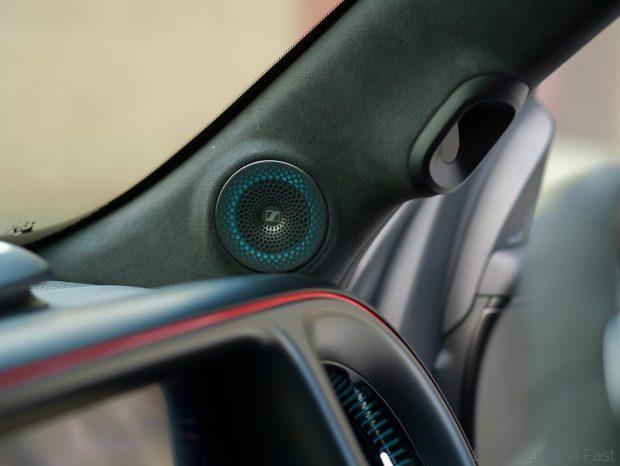
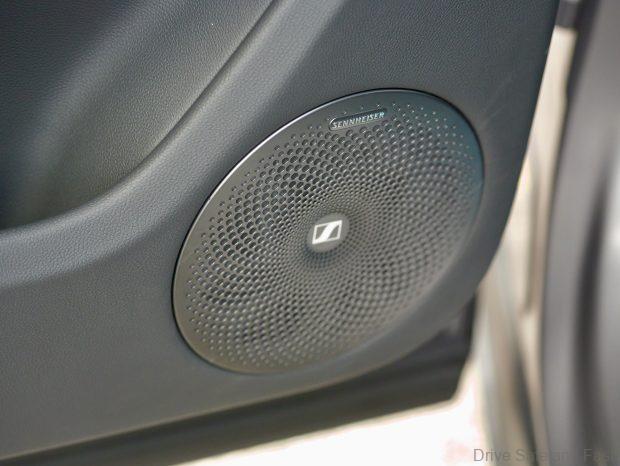
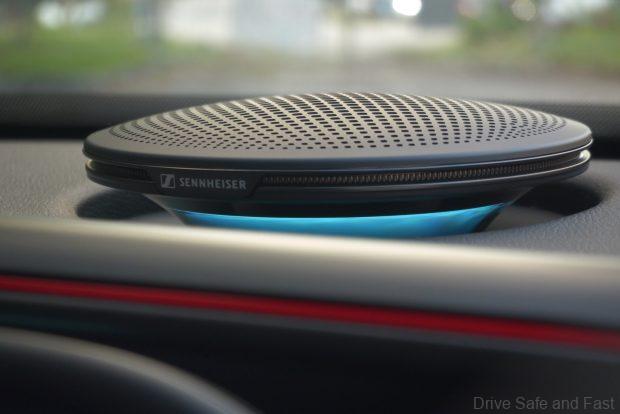
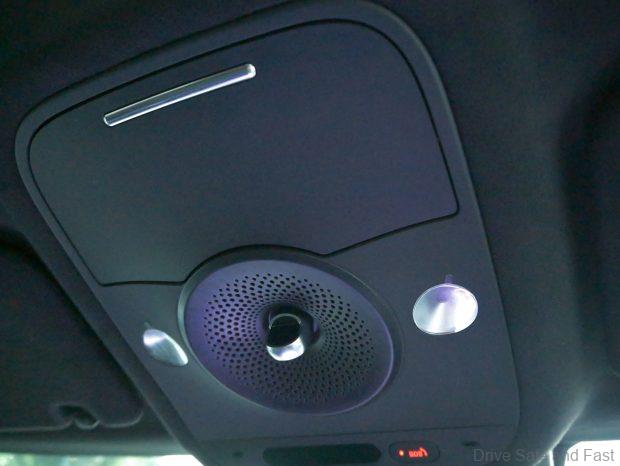
The set-up also includes a centre dashboard speaker that rises out when not in use, lending a sense of occasion to the cabin that’s lacking even on the Zeekr. The infotainment bonanza doesn’t end there. You also have not one but TWO 13″ AMOLED displays. AMOLED technology is really interesting and rare in vehicles.
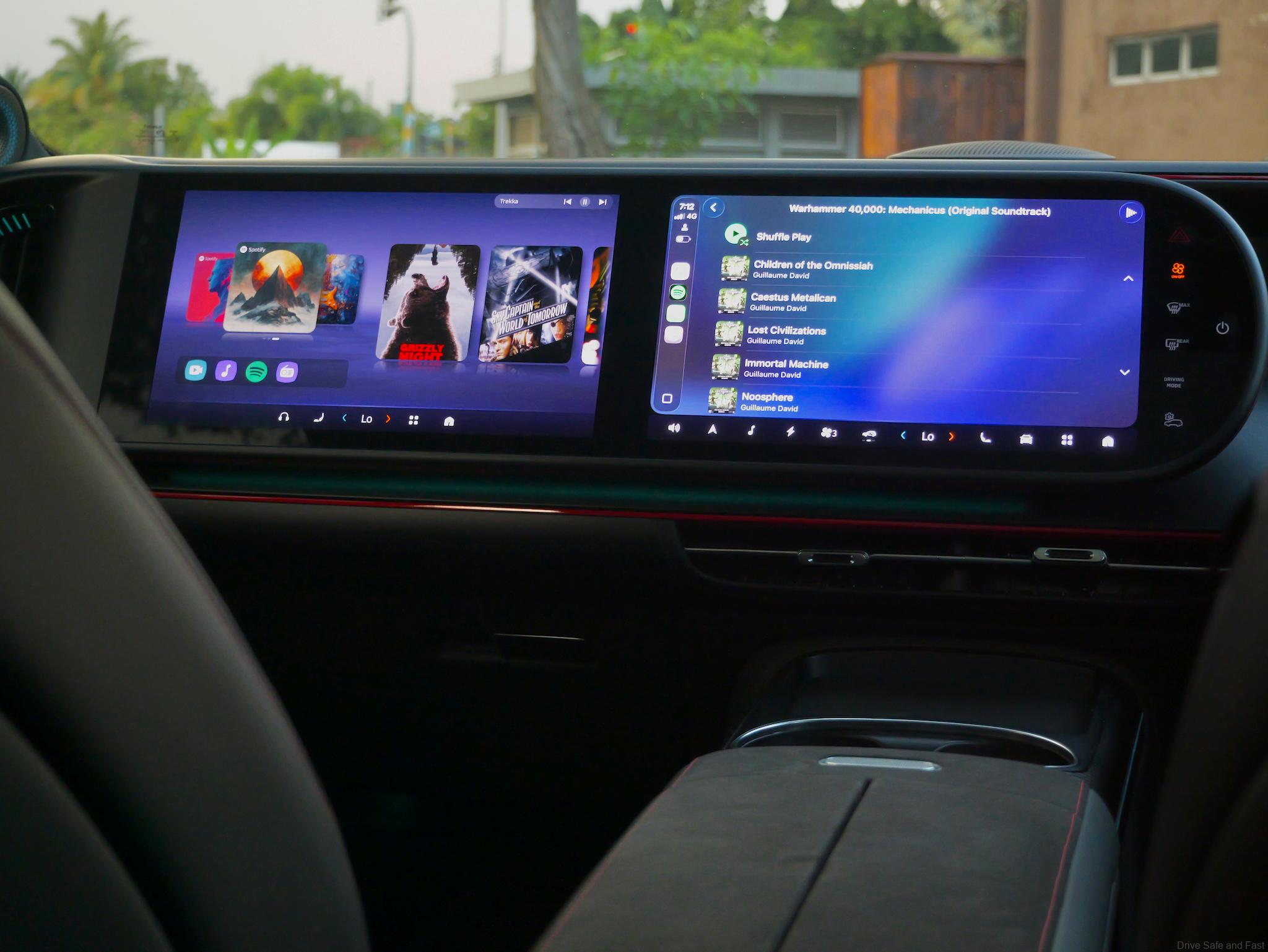
While not necessarily better or worse than the Mini LED display technology used in the 7X, the fact is you get TWO 13″ displays rather than ONE 16″ display, and we all know it’s a numbers game in the EV space. In use, I have to say the deep blacks of the AMOLED displays are unlike anything else on the market. There’s a real vibrancy and sharpness to these displays that you won’t see replicated anywhere else at this price.
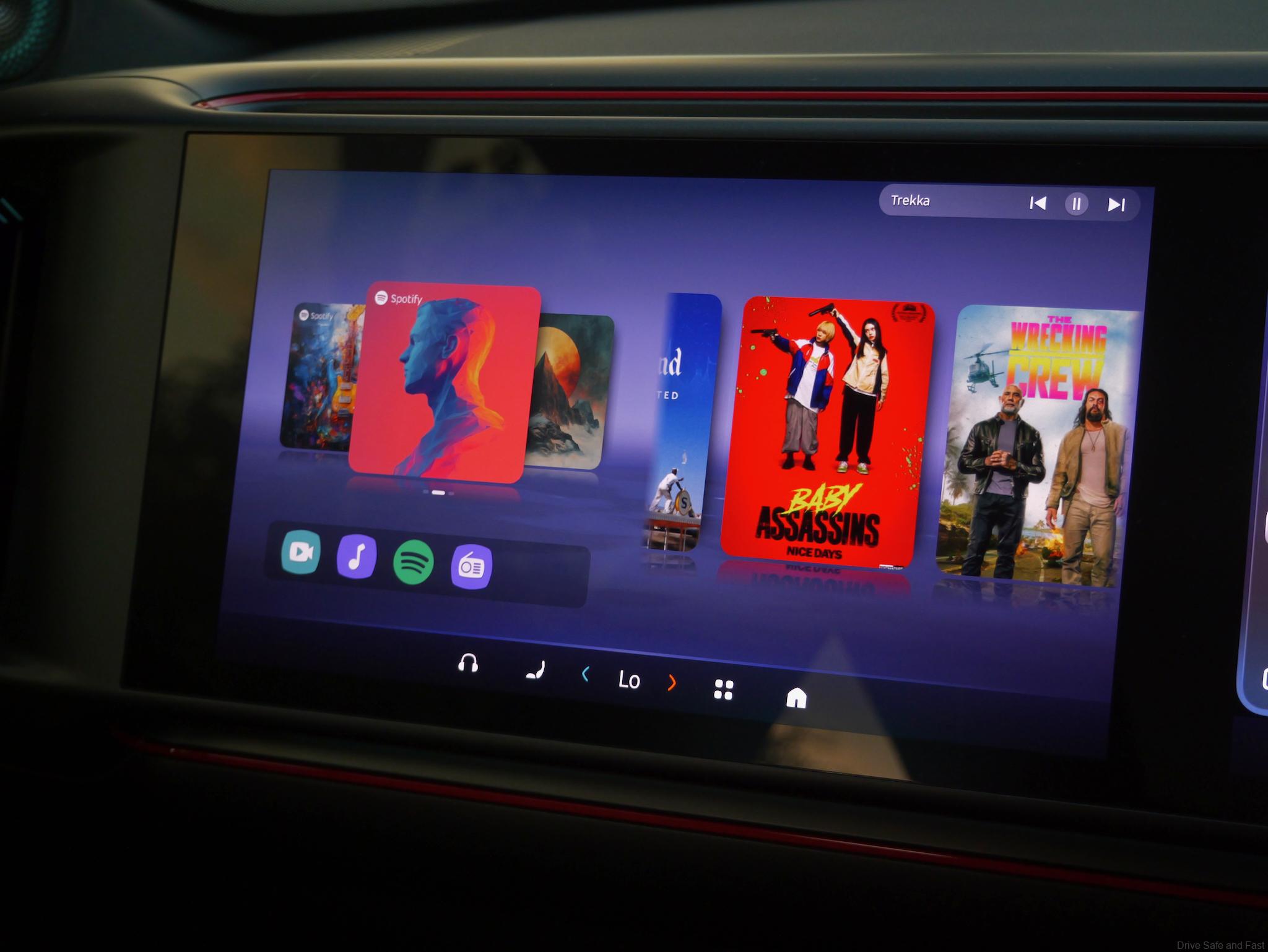
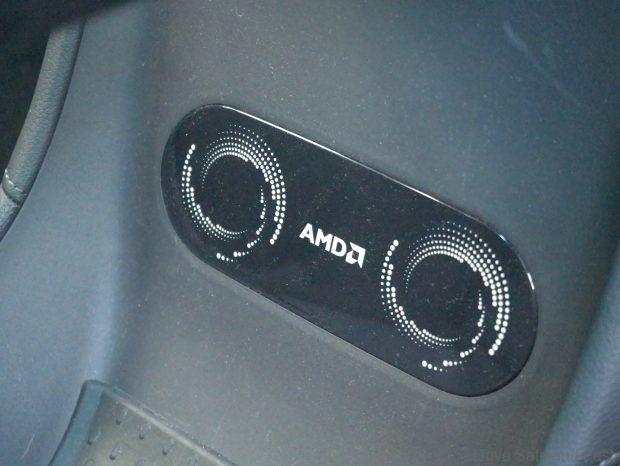
Still on the topic of infotainment in the cabin, we have to talk about the use of the AMD V2000 chip. I’m not particularly sure why smart went with a powerful x86 APU chip without running an operating system that supports proper gaming titles. Don’t get me wrong, this is probably the most powerful chip available on any EV in the market. Its inclusion here, I believe, stems from pressure on car brands to appear to be on the cutting edge of technology. Anyone who’s actually in tune with consumer technology knows that there is a fundamental disconnect between the automotive world and the tech world.
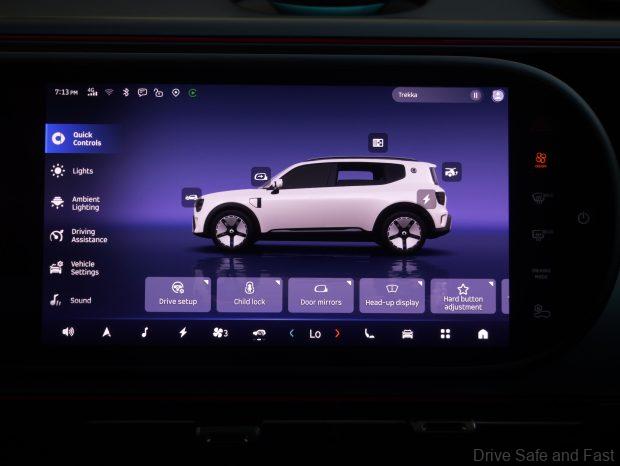
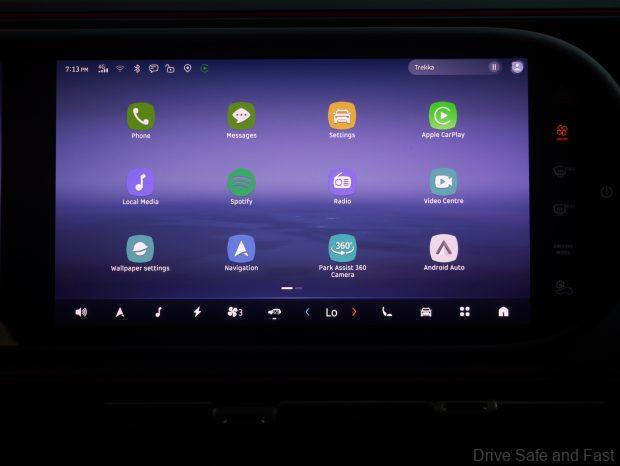
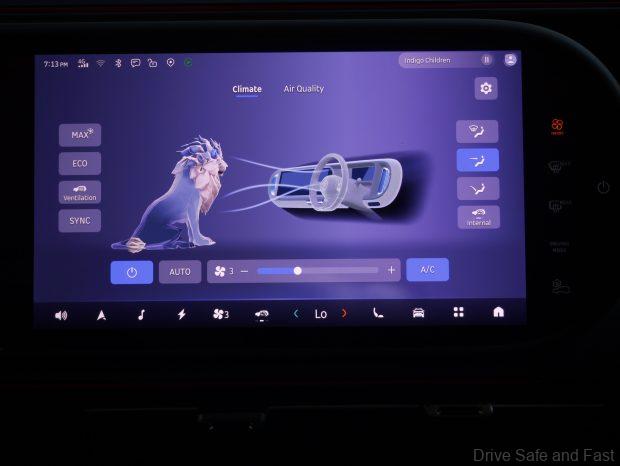
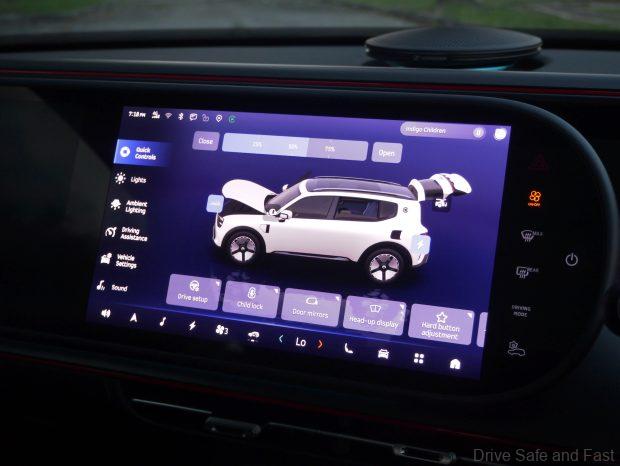
You’ll find hundreds of channels benchmarking the latest CPUs and GPUs to get an objective read on the performance, performance per watt, and price to performance of the latest chips. Unfortunately, the automotive industry locks software behind custom operating systems, limiting any potential overhead and the use of common benchmarking tools across vehicles. So the AMD V2000 chip in the #5 comes across as little overkill, that is unless they have some sort of steamOS integration for the passenger screen in the works. Until that’s announced, I’d take it as a marketing point that does not add value. You can still stream videos to the secondary screen and the animations are very fluid throughout, but there’s nothing really distinguishing the performance ceiling of this chip here from any other ARM based silicon.
So, what DOES add value? After all, I think most Malaysian EV buyers shopping above RM200,000 are pretty well-informed. The Zeekr 7X is far and away the more successful sibling despite having a relatively level playing field. You may wonder what, beyond the price, is pushing buyers away from the #5 BRABUS. To be honest, the smart has its advantages. The first is that it’s a much better driving vehicle. Without air suspension, it’s extremely competent and communicative around corners.
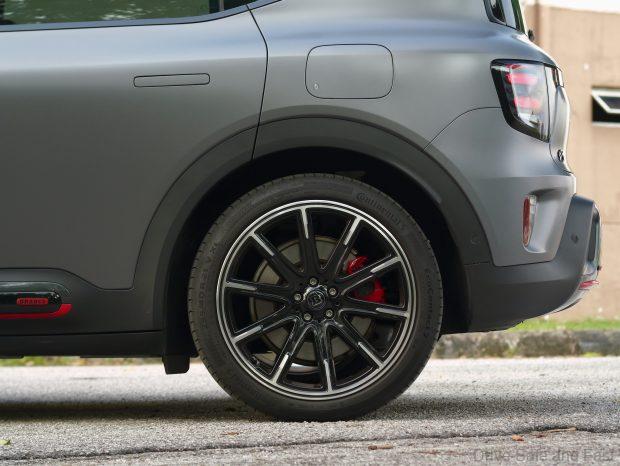
Of course, it’s not quite as comfortable as the 7X, but it’s actually surprisingly well sprung for a car capable of handling such a brutal amount of power. This is where the ‘BRABUS’ collaboration goes beyond being just a branding exercise.
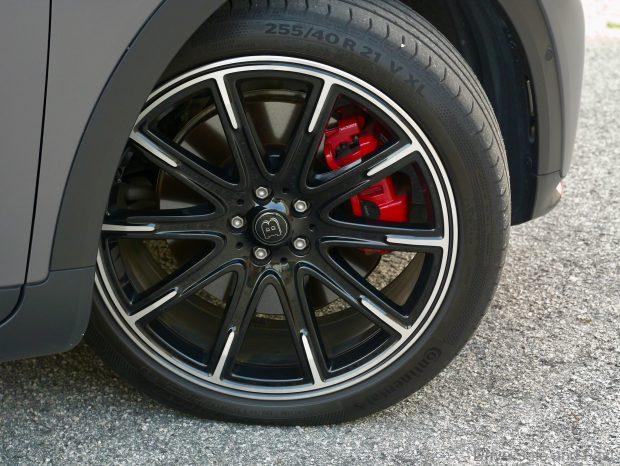
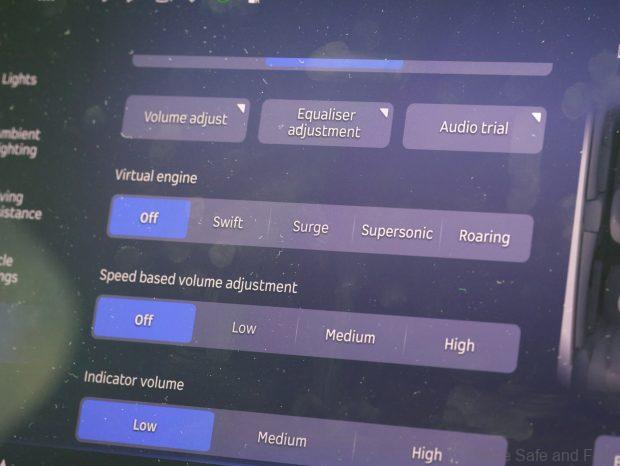
The Zeekr 7X AWD Performance model gives you all the bells & whistles for less money, but it simply doesn’t know how to negotiate a corner with any grace. The #5 BRABUS has the suspension set-up done perfectly and you can customise the ‘engine note’ to deliver a more emotionally engaging experience and YES that does make a difference in a mostly silent EV!
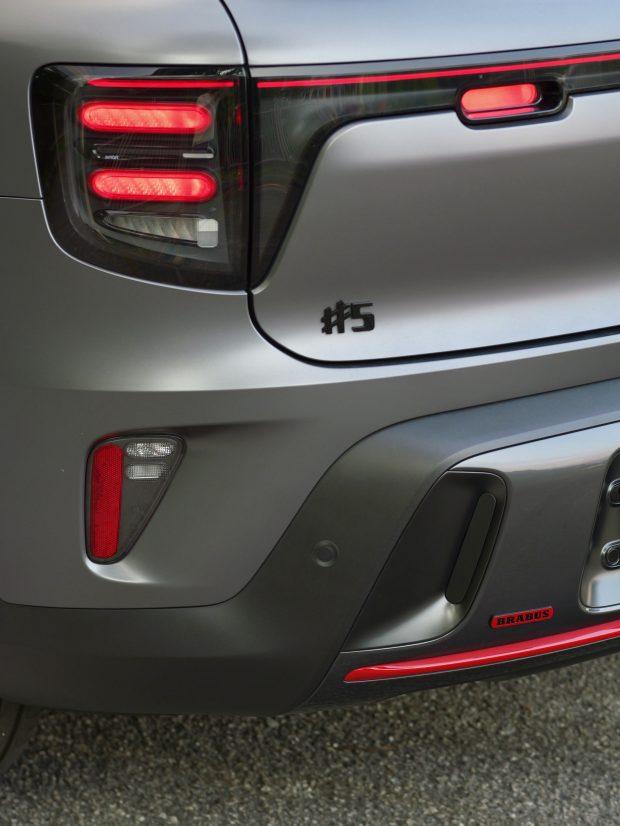
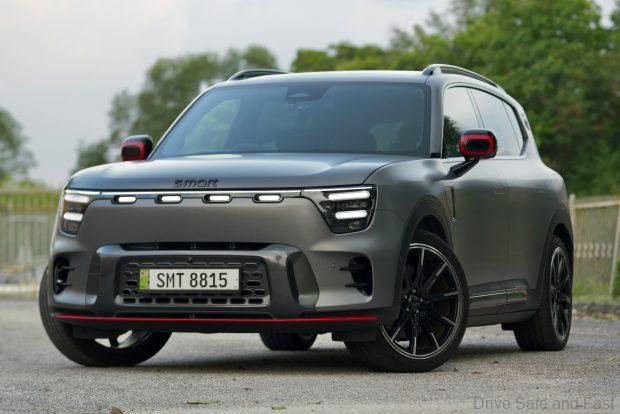
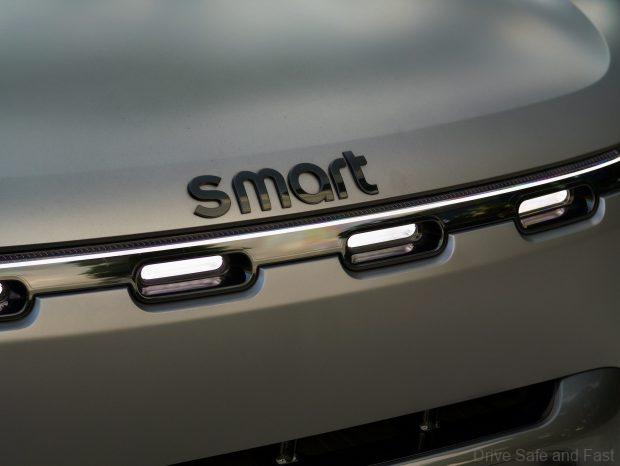
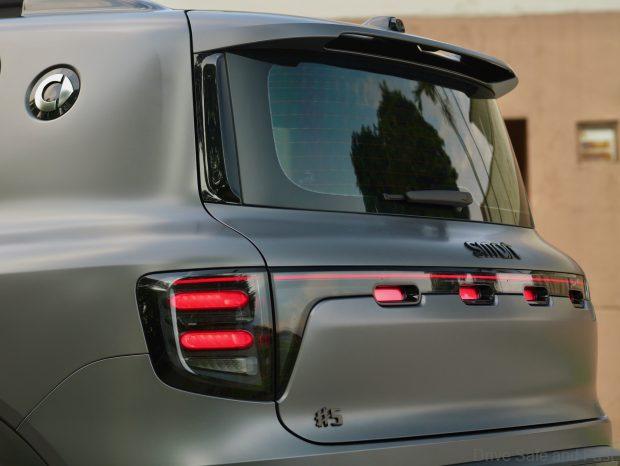
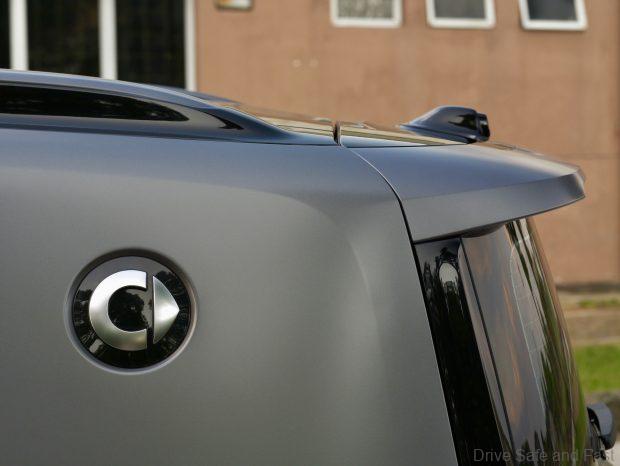
I should also say that the paint job on the #5 BRABUS is on another level. Atom Grey Matte is the one to get and while it is more expensive AND requires more maintenance and care, there’s no denying it elevates the look of the car. This is the stuff millionaires used to pay an annual wage for some years ago. Now you get it for RM5K.
Unfortunately, in terms of pure value for money, the 7X edges the smart #5 out in some places. On the flagship variants of both vehicles, it’s also the PERCEIVED value that also favours Zeekr. As nice as the smart #5 BRABUS is, it does feel like it’s an offshoot of Mercedes-Benz’s playbook from about a generation ago. I’ve seen some of the same switchgear and materials in the #5 on my first Mercedes-Benz test car. People shopping in this segment are cognizant of what’s around and despite sharing a platform and trading blows with it, the Zeekr 7X feels like a genuine breath of fresh air in comparison.
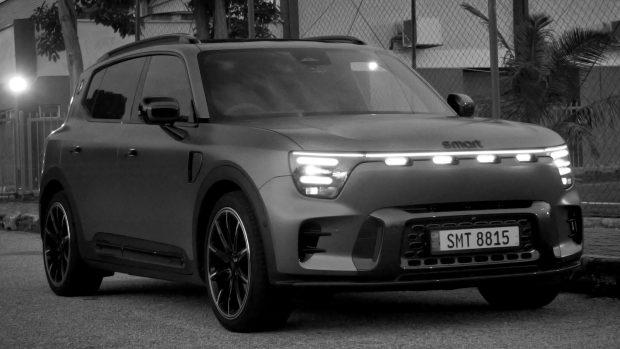
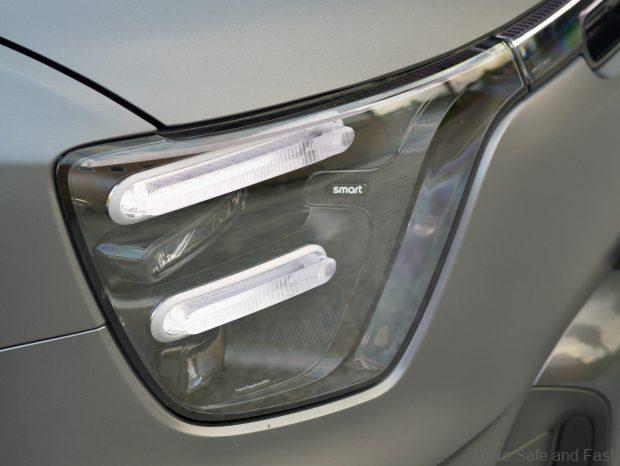

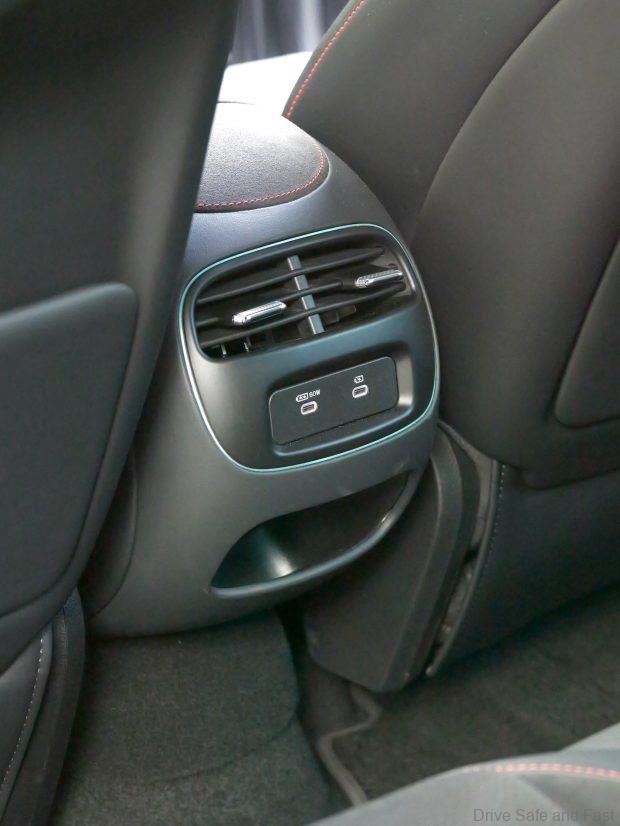
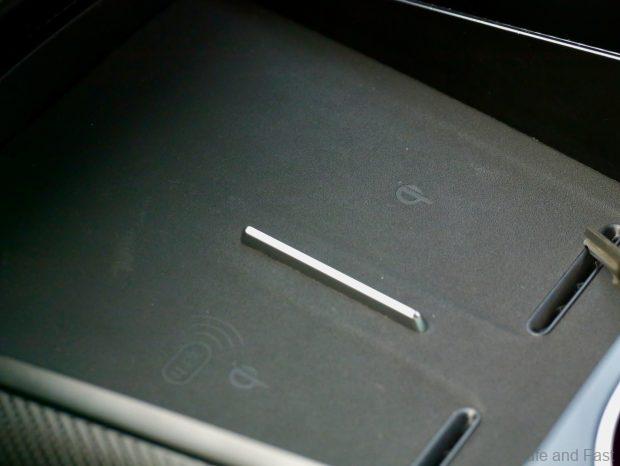
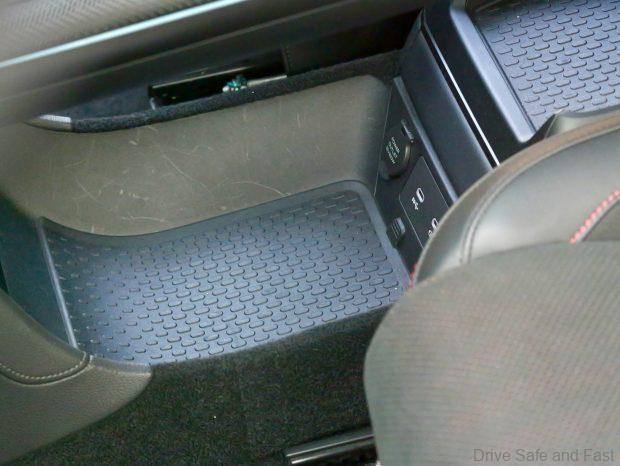
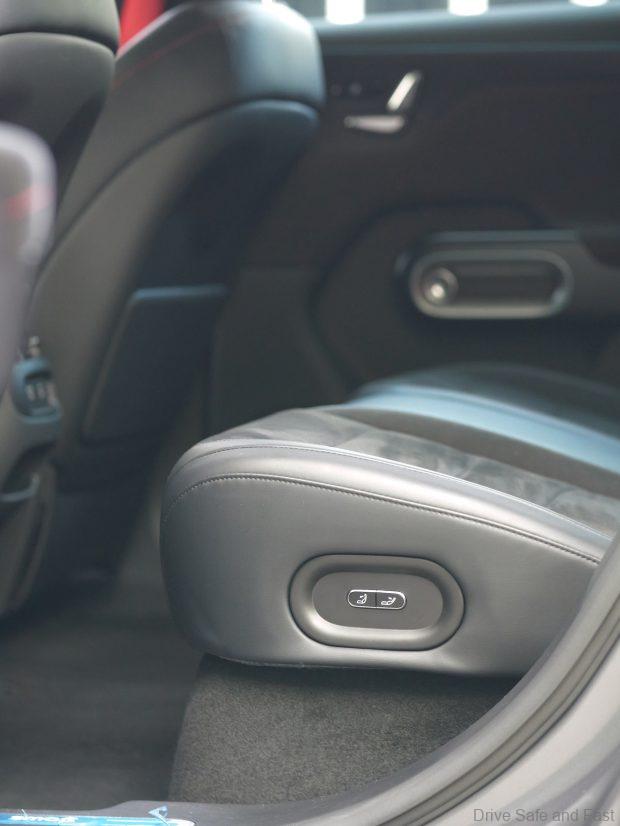
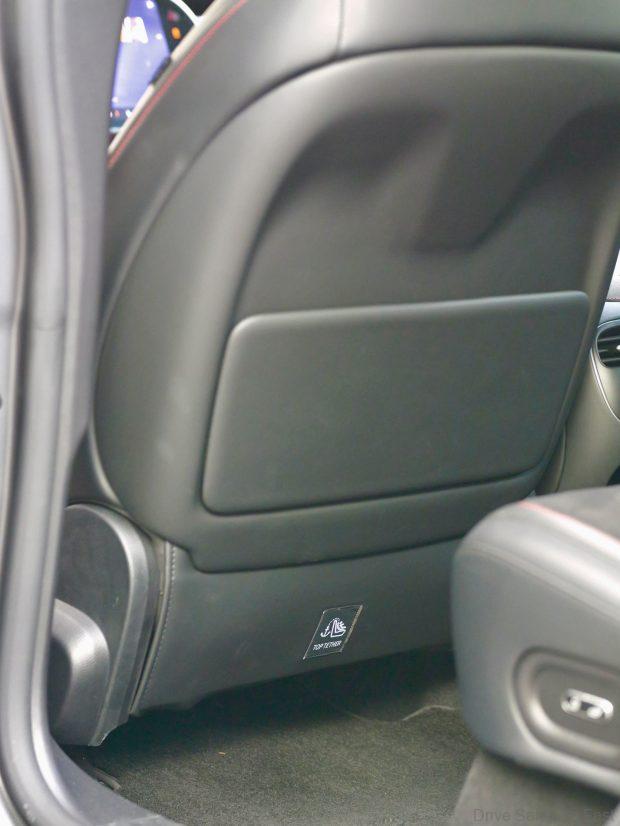
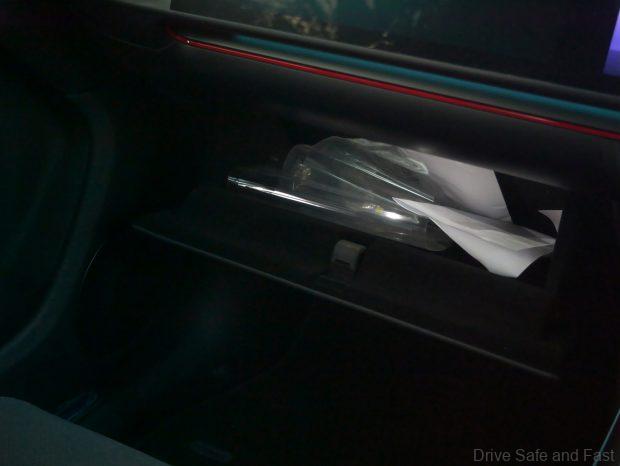
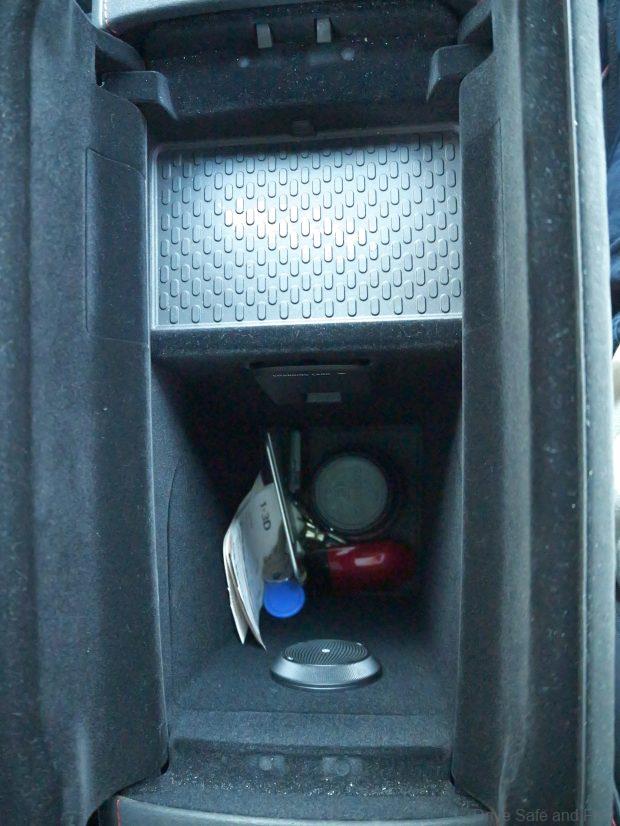
So, should you buy the #5 BRABUS instead? Well, if you’re someone who thinks a car shouldn’t feel clumsy in the corners, then the BRABUS is the better choice. If you believe ECARX will eventually give customers the ability to play AAA games on that 2nd screen, then yes, buy this over the Zeekr. If you’re an audiophile and appreciate Sennheiser’s sound signature, this could be the better pick. If you’re not someone who actively dislikes what is popular, then the smart #5 BRABUS isn’t the wrong choice, it has its strengths. Just don’t buy this car solely for the branding or co-branding. It adds some value, but it’s not at the core of what makes this vehicle special. This is the start of something new for smart. They’re going bigger and finally showing the real strengths of the Mercedes-Benz x Geely partnership. Buy it because it’s one of the best Sino-German engineering collaborations out there and now it’s family friendly with loads of charging ports, air cond vents and some 30 compartments throughout.
2025 smart #5 BRABUS Specifications
Motor: Dual motor, permanent magnet synchronous
Battery: 100kWh NMC
AC Charging: 22kW
DC Charging: 400kW
Max power: 646PS
Max torque: 710Nm
Price: RM249,800

