

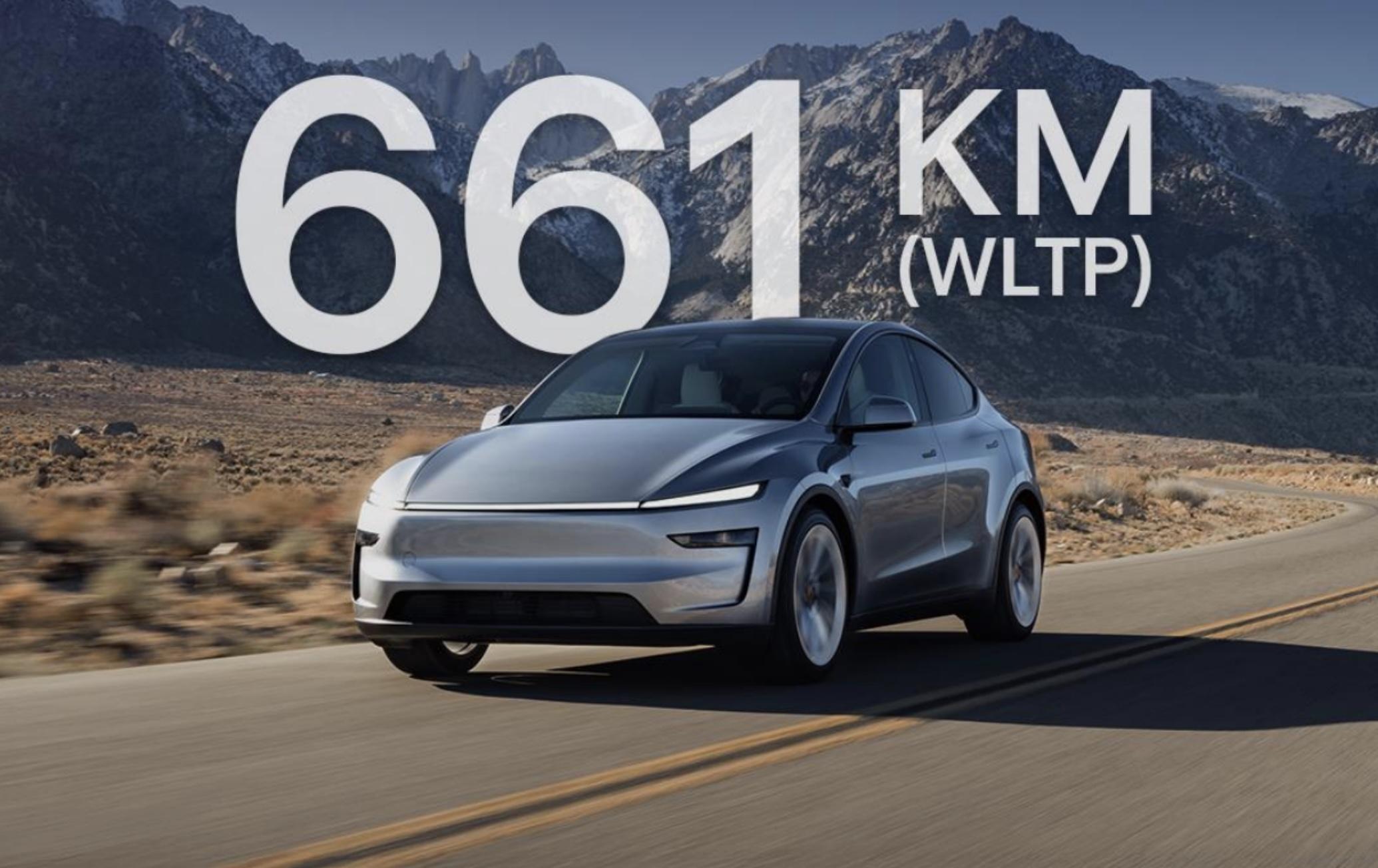
Australians seem to be moving towards greater EV adoption and it’s not always Chinese EVs at the top.
Australia’s automotive landscape is undergoing a significant transformation, with electric vehicle (EV) adoption accelerating at an unprecedented pace. Recent sales figures highlight this shift, with 140,058 new vehicles sold in June.

A key indicator of this momentum is the performance of electric models in the broader market:
- Tesla’s Continued Dominance: The Tesla Model Y continues to hold its position as Australia’s top-selling vehicle, underscoring the strong consumer demand for established EV brands.
- Mainstream EV Success: The increasing popularity of electric options is evidenced by the fact that three EVs successfully cracked the top 10 list for total vehicle sales in June.
- Rising Competition: The market shift is further demonstrated by the narrowing gap between emerging EV manufacturers and traditional automotive giants. Notably, BYD came within just 243 sales of surpassing Toyota to become the nation’s best-selling brand overall in June.

This surge in EV uptake is driven by a convergence of factors beyond the immediate sales statistics:
- Government Incentives: Federal and state governments have introduced various policies, such as FBT (Fringe Benefits Tax) exemptions for EVs and direct purchase rebates in some jurisdictions, which significantly lower the total cost of ownership for both personal and fleet buyers.
- Expanding Charging Infrastructure: Public and private investment in charging networks is alleviating “range anxiety,” making EVs a more practical choice for daily commuting and long-distance travel across Australia’s vast distances.
- Broadening Model Availability: The influx of more affordable models from manufacturers like BYD and MG has democratized EV ownership, moving it beyond the luxury segment to appeal to a wider demographic of budget-conscious Australians.
- Environmental Awareness: Growing public consciousness regarding carbon emissions and the impact of climate change is shifting consumer preferences, with many Australians actively seeking greener transportation alternatives to reduce their personal environmental footprint.

As EV technology continues to mature and prices become increasingly competitive with internal combustion engine counterparts, this trend is likely to sustain its momentum, cementing EVs as a permanent and growing fixture on Australian roads.

