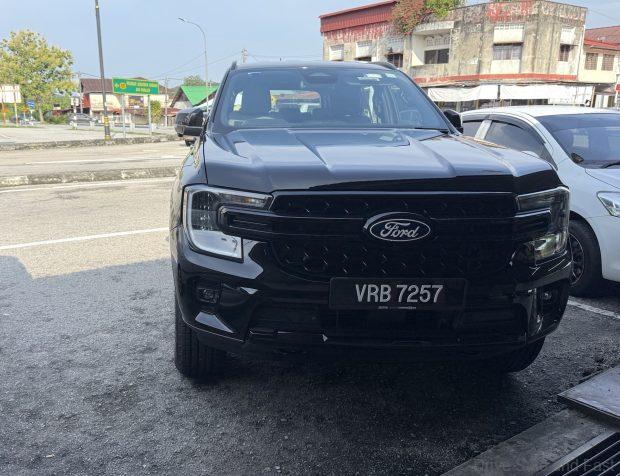


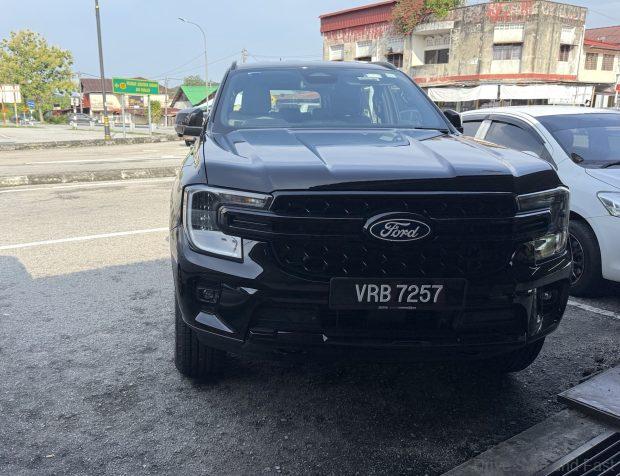
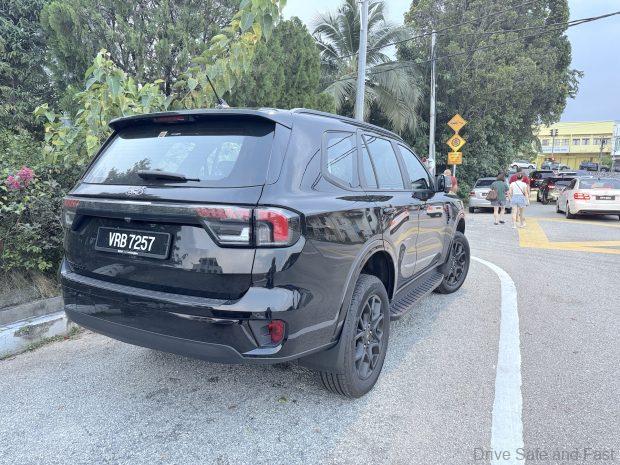
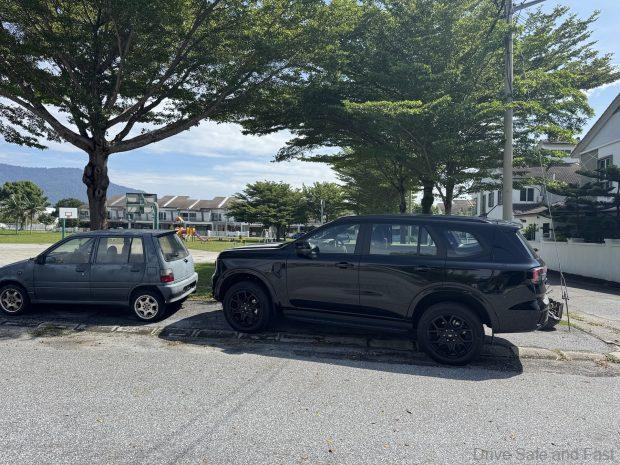
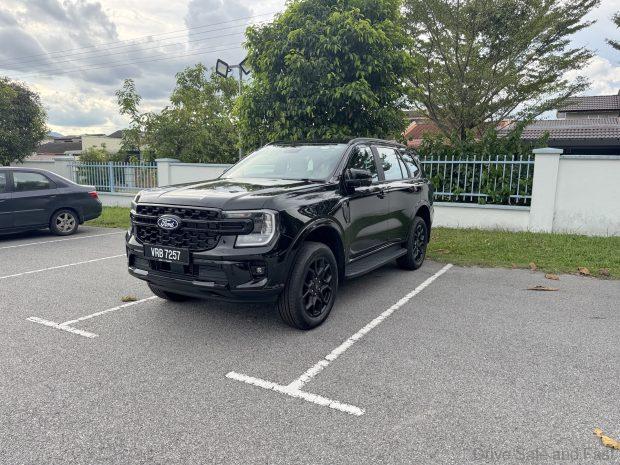
This Everest is a large, square, boxy 4WD family SUV that is NOT from a Chinese auto manufacturer. Yes, this is a Ford SUV built on the same rugged ‘T6’ platform as the Ford Ranger pickup truck which has firmly established itself as a benchmark for off-road excursions in ASEAN nations.
Think about it …… a number of Malaysian SUV buyers are wanting BOXY square shapes and this is a BOXY square SUV!
Once upon a time, Ford decided that their pickup trucks should be sold outside of America and so they started a research and development centre for pickups trucks in Thailand. At the time and until recently, Thailand had the highest pickup truck adoption in the region.
Ford then opened their Asia Pacific Product Development Centre located in Broadmeadows and Geelong, which is one of Ford’s three global product development hubs. It leads engineering for global vehicles like the Ford Ranger and Everest which we are test driving here.
The first Everest arrived in 2003 to challenge the Toyota Prado 120 Series and the Mitsubishi Pajero and it did well against these established 4×4’s with its Ranger underpinnings.
Now, we all know that pickup based SUVs used to carry a reputation for being stiff, loud, and overly commercial and this is why Ford engineers in Australia looked at making the 2026 Everest bridge the gap between truck-tough capability and family SUV comfort.
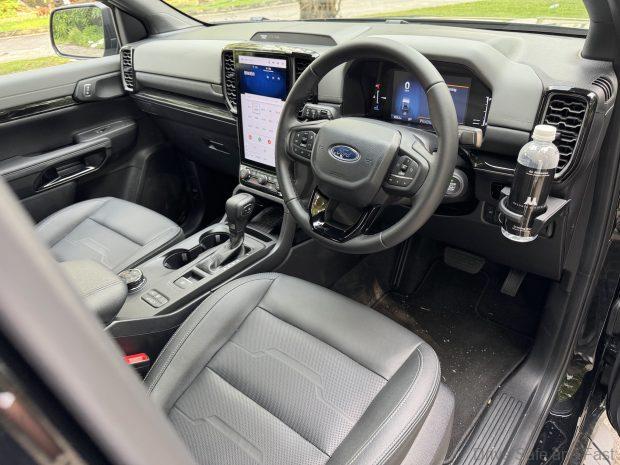
Why The Everest serves as a good family buy:
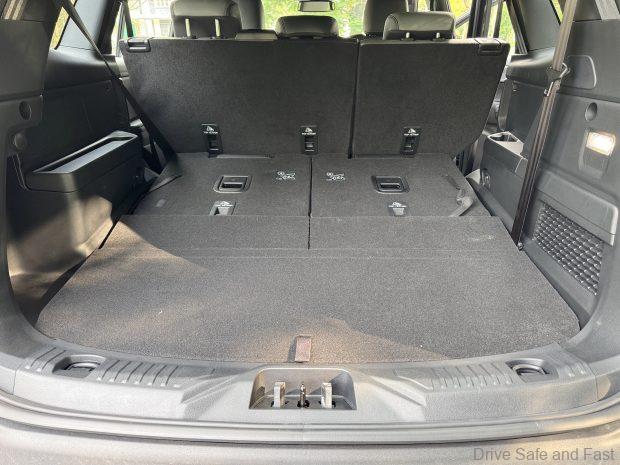
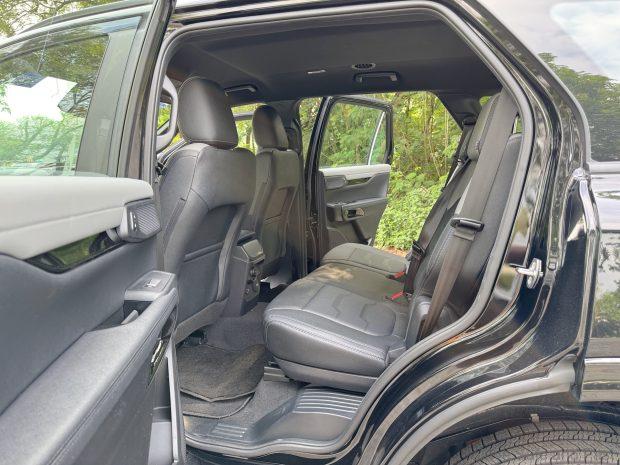
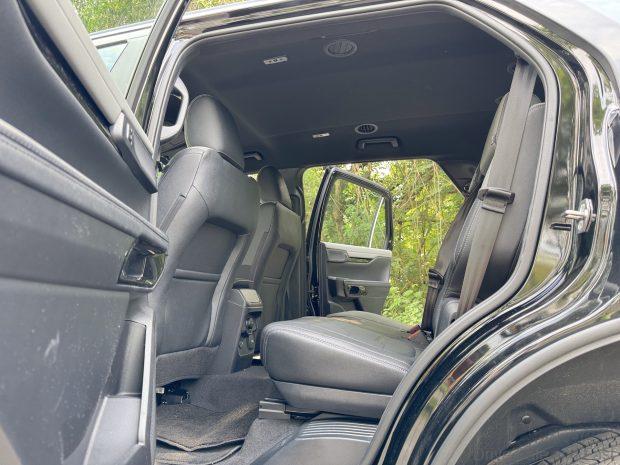
1. Good Space and 7-Seat Flexibility
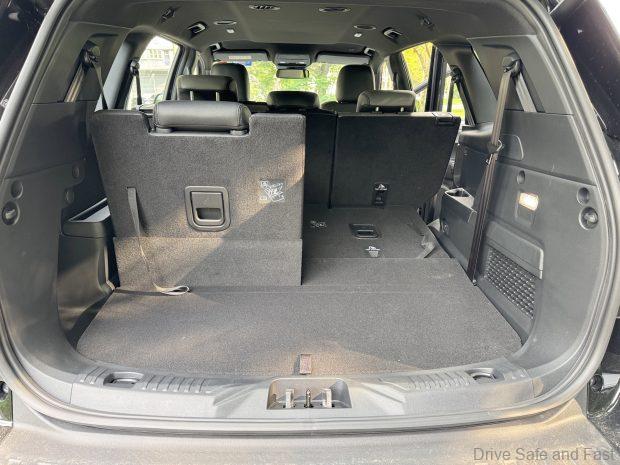
A proper family vehicle needs to handle groceries, baby strollers, and road-trip luggage easily.
When configured as a 5-seater, the Everest boasts a good 898 liters of cargo volume. It features a low, flat load lip, making it easy to lift heavy strollers or heavy gear in and out.
2. Best-in-Class Ride Comfort & Refinement
The most impressive part of the Everest is how it drives. Ford heavily tuned the rear coil-spring suspension which rides very well with its 20-inch 255/55 tyres.
Say Goodbye to “pickup truck bounce”: Unlike traditional commercial pick-ups that shake and bounce over potholes when the bed is empty, the Everest absorbs road imperfections smoothly. Engine noise, wind hiss, and road hum are highly dampened. On long family road trips, it acts as a quiet, relaxed cruiser where you don’t have to yell to be heard in the back rows.
3. Road-Trip Tech That Just Works
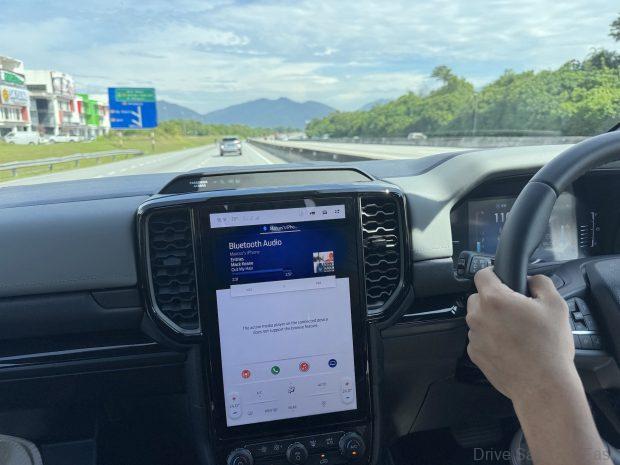
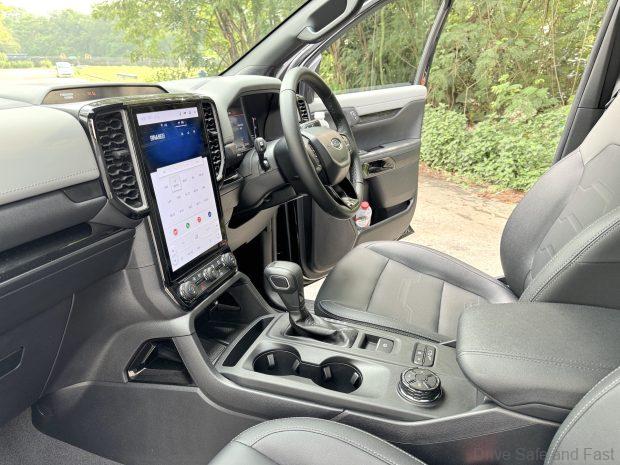
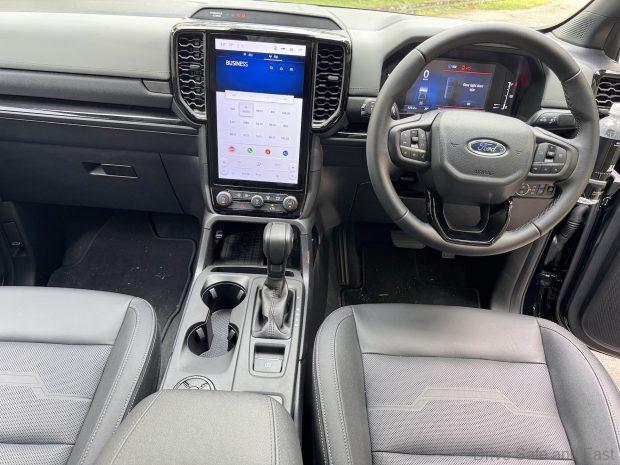
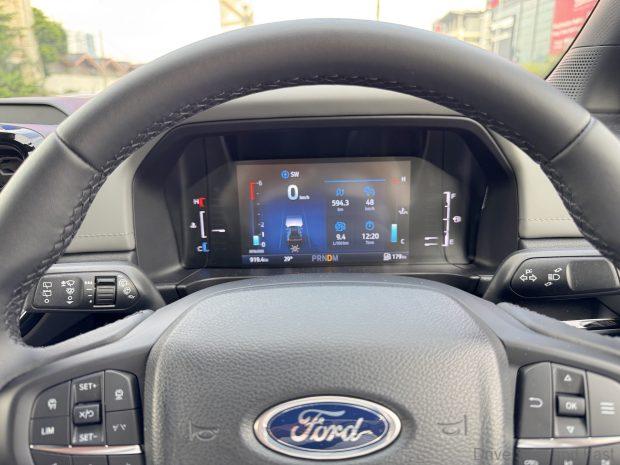
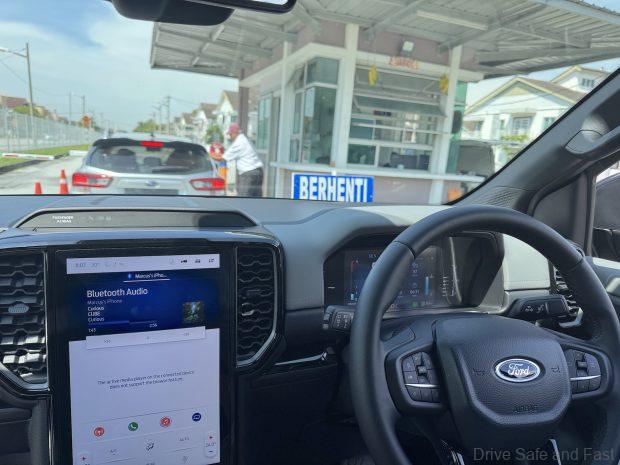
Ford standardised its impressive 12-inch portrait layout touchscreen running SYNC 4A across the entire 2026 lineup. The system features crisp graphics and snappy wireless Apple CarPlay and Android Auto and voice recognition which is quick to learn.
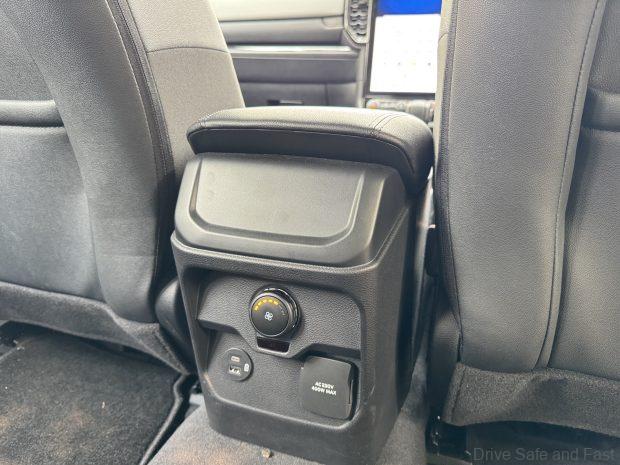
Mid-to-high trim levels come equipped with a built-in 400W/230V inverter power socket at the back of the center console. This allows rear passengers to plug in and charge tablets, laptops, or even small gaming consoles on long drives. Dual-zone climate control and dedicated roof A/C vents for the second and third rows ensure the kids stay cool without fighting over the temperature dials. Plus, there is a good 8-speaker sound system for your playlist.
4. Advanced Protection
Safety is non-negotiable for a family car, and the Everest delivers a comprehensive safety suite. It comes loaded with 9 airbags as standard, including curtain airbags that extend all the way to protect third-row passengers. Driver assist technologies include:
- Autonomous Emergency Braking (AEB)
- Blind-Spot Monitoring with unique trailer-coverage settings
- Rear Cross-Traffic Alert and Reverse Brake Assist to prevent parking lot accidents
Driving It
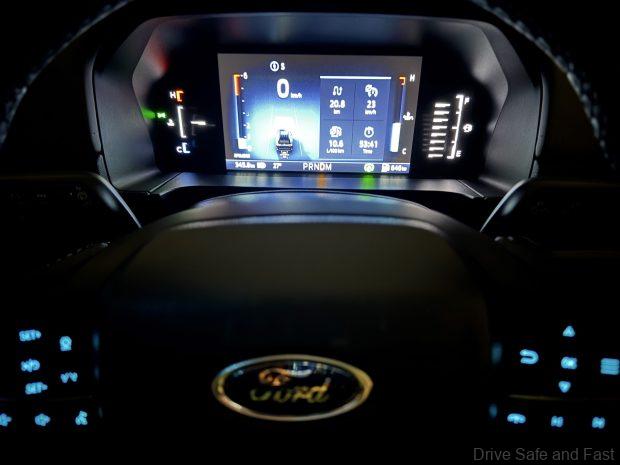
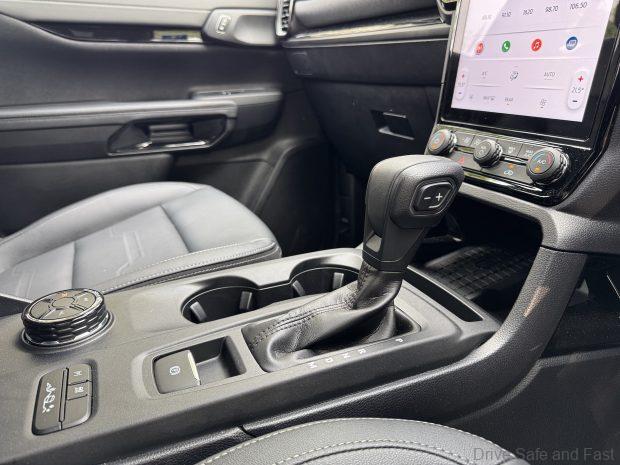
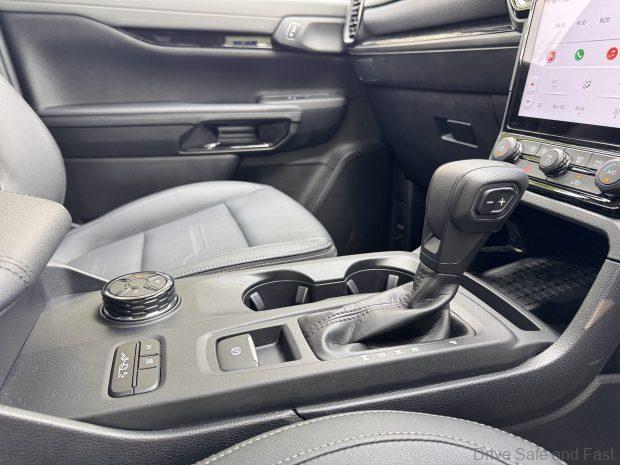
Well, this 2.0L Single-Turbo diesel engine shared with the Ranger replaces the older bi-turbo engine, delivering 125 kW and 405 Nm. It also utilises the 10-speed auto but is equipped with a part-time 4WD system that is easy to shift. Equipped with selectable drive modes (Sand, Mud/Ruts, etc.), low-range gearing, and an electronic locking rear differential, making off-roading highly accessible.
We took a 500km plus drive over the weekend with the family. The Everest utilises a double-wishbone front and coil-spring rear suspension. Ford’s engineering minimises body roll in tight corners, while keeping the ride surprisingly flat and controlled for a large SUV. The cabin is remarkably quiet on the highway, with excellent sound insulation reducing wind and road noise.
In and around the city the steering provides engaging, communicative feedback, making the 2.5-ton Everest feel surprisingly nimble during daily urban driving.
Final Word
The previous 2023 Everest was priced at RM308,000 and it had the 2022 Mazda CX9 as its immediate rival which was priced at RM319,000. This time, Ford has the Omoda C9 PHEV as its product rival and RM299,000 Mazda CX-80 as its immediate rival (both being fully imported).
The Everest and its rival are fully imported and subjected to full import duties which is why their selling prices are high. Meanwhile, local assembled Chinese 3 row large SUV’s are taking in high sales due to their much better selling prices.
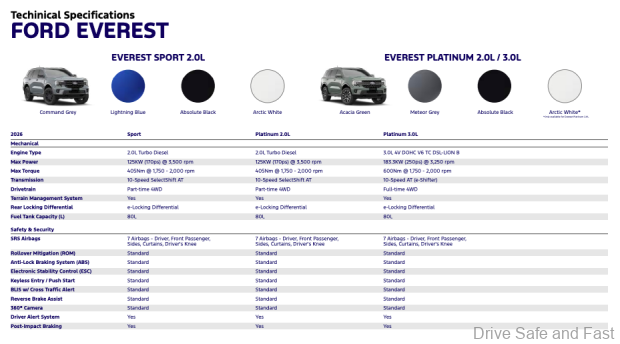
Ford Everest SPORT 2.0T-Diesel Specifications
Engine: 4-cylinder Turbo Diesel
Capacity: 1,996cc
Power: 170bhp @ 3,500rpm
Torque: 405Nm @ 1,750-2,500rpm
Transmission: 10-speed SelectShift Auto
Top Speed: 198km/h
0-100km/h: 9.5 Seconds
Selling Price: RM316,888.00