


Xiaomi Automotive is finally showing signs of coming to Malaysia with a job posting for a government relations manager.
Technology titan Xiaomi Group has officially laid the groundwork for its automotive division’s entry into the Malaysian market. They’ve published a high-profile LinkedIn job posting seeking a Government Relations Manager for their automotive business in Malaysia.
The role is tasked with navigating local regulatory frameworks, managing relationships with government ministries, and overseeing compliance regarding Completely Built-Up (CBU) and Completely Knocked-Down (CKD) operational models, customs procedures, and import/export trade rules. The listing quickly generated massive industry interest, attracting over 100 applicants within days.

This strategic move aligns with Xiaomi Group’s previously announced international roadmap, which targets global market expansion beginning in the third or fourth quarter of 2027. Following a phased rollout that prioritizes right-hand-drive (RHD) production and mid-to-high-end vehicles initially, Xiaomi is positioning its high-tech electric vehicles (EVs) to disrupt key Asia-Pacific markets, including Malaysia. Right now, there aren’t any RHD Xiaomi models ready, but they should be here in time for the Q3 2027 rollout.
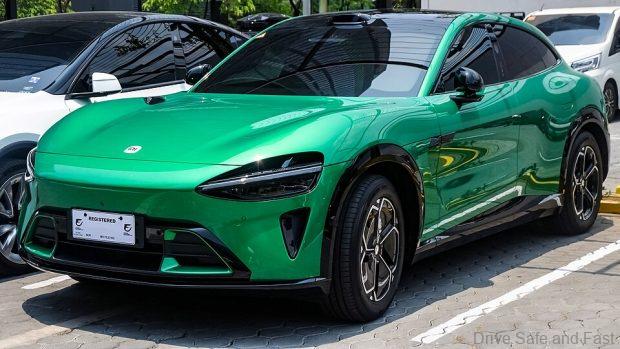
Potential Xiaomi EV Lineup for Malaysia: SU7 Sedan and YU7 SUV
Xiaomi’s automotive portfolio has expanded rapidly since its initial debut, offering premium performance, sleek aerodynamics, and deep ecosystem integration through its proprietary hyper-connected digital operating system. Malaysian buyers can expect two primary model lines to lead the brand’s local offensive:
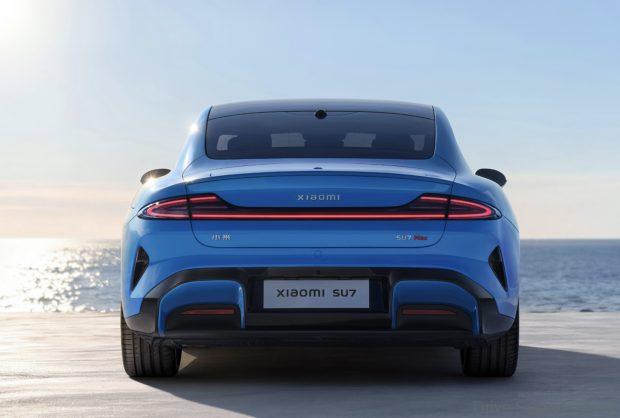
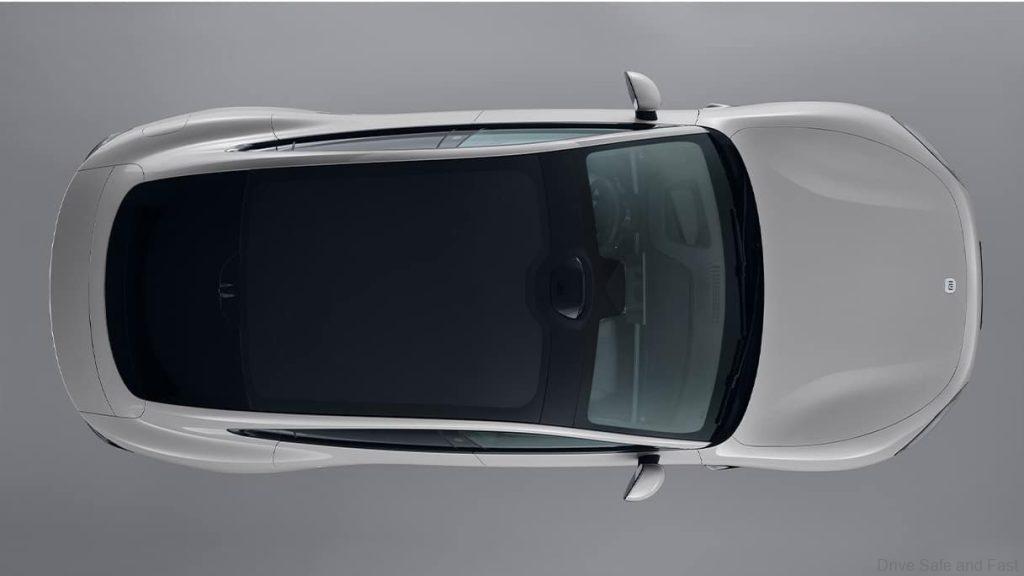
- Xiaomi SU7 Series (Electric Sedan): The model that launched Xiaomi into the automotive world. Featuring classic GT proportions, up to 835 km of CLTC range, and hyper-car level acceleration in its top-tier trims, the SU7 serves as a direct showcase of Xiaomi’s engineering power.
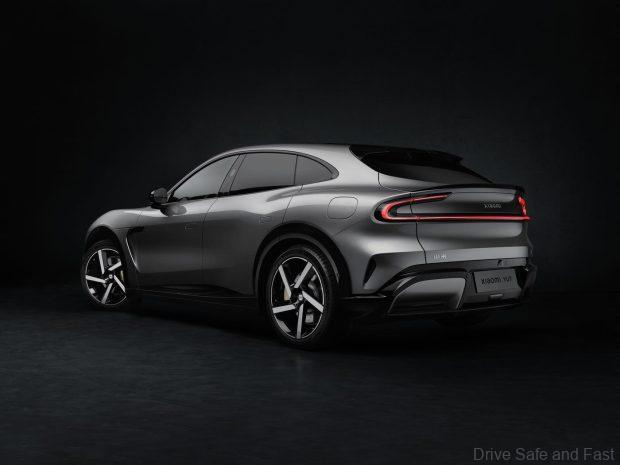
- Xiaomi YU7 Series (Electric Performance SUV): Xiaomi’s mid-to-large luxury performance SUV. Measuring nearly 5 meters in length with a 3,000 mm wheelbase, the YU7 features ultra-fast 800V silicon carbide charging, active aerodynamics, optional dual-chamber air suspension, and powerful dual-motor AWD setups.
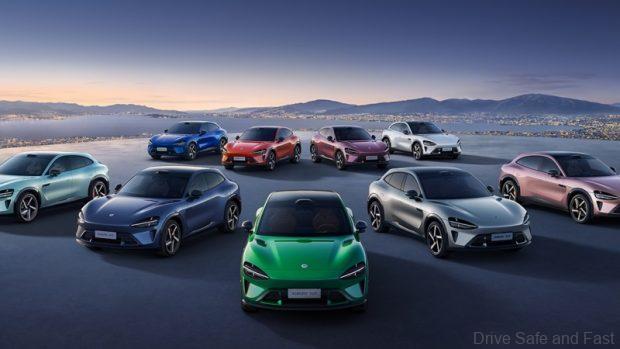
Both models feature multiple variants and pricing can vary significantly even within a model line up. The SU7, for instance, starts at around 220,000 yuan and goes up to 530,000 yuan for the track-optimised SU7 Ultra version. It’s also worth noting that they have that new Sky Nomad coming into production soon.
Pricing Dynamics: Navigating Malaysia’s RM200,000 Minimum CBU CIF Rule
For Xiaomi’s entry into Malaysia as a CBU importer, pricing will be heavily dictated by national automotive policies. Effective 1 July 2026, the Ministry of Investment, Trade and Industry (MITI) implemented updated regulatory requirements for fully imported (CBU) electric vehicles:
- Minimum CIF Value: CBU EVs must declare a minimum Cost, Insurance, and Freight (CIF) value of RM200,000.
- Minimum Power Output: CBU EVs must feature a minimum motor output of 180 kW (245 PS).
Because Xiaomi’s performance-oriented electric motors effortlessly exceed the 180 kW threshold, powertrain compliance will not be an obstacle. However, the RM200,000 minimum CIF floor means CBU Xiaomi vehicles cannot be sold as budget offerings.
Once import duties, excise taxes, logistics, and distributor margins are calculated, fully imported CBU Xiaomi EVs are projected to retail starting between RM250,000 and RM320,000+ in Malaysian showrooms. To target the mid-range segment below RM200,000 in the long term, Xiaomi would need to establish localized assembly (CKD) operations within the region.
Key Competition in the Malaysian Market
When Xiaomi launches its RHD models in Malaysia, it will enter a fiercely competitive premium EV landscape across both sedan and SUV segments. You can expect the Tesla Model 3, Model Y, BYD Seal, Sealion 7, Zeekr 7X, and Denza Z9 GT all to be targets of Xiaomi. On the periphery, established European rivals hoping for some relief with the government’s latest CBU conditions will find no comfort as the SU7 and YU7 are still going to massively undercut their EV offerings while carrying more hype and featuring more cutting edge EV tech.
Xiaomi also has the distinct competitive advantage of its Human x Car x Home ecosystem, allowing seamless integration between a owner’s smartphone, smart home appliances, and vehicle digital cockpit—a level of connected software integration that traditional automakers struggle to match. I personally have a Xiaomi robot vacuum and can’t wait to drag race it against an SU7 test car.

