


Tesla’s “No Resale” Clause: A Bold Strategy or a PR Disaster?
In the fast-moving world of electric vehicles (EVs), Tesla has once again ignited a firestorm of debate. This time, it isn’t about battery range or autonomous driving, but a controversial legal document: the No Resale Agreement.
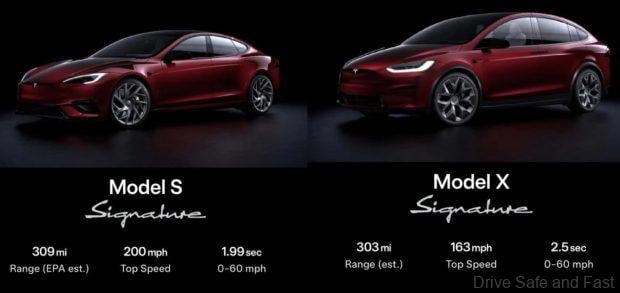
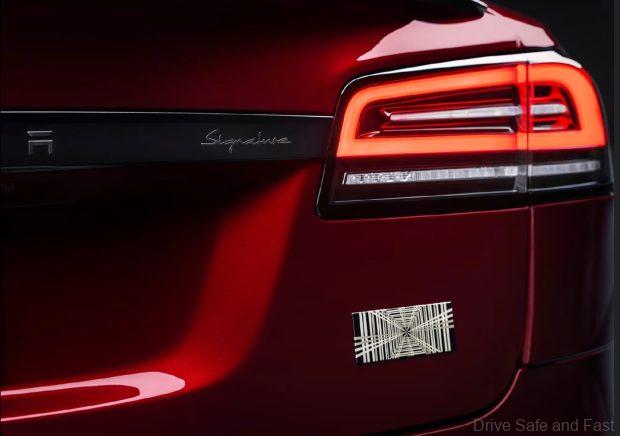
As Tesla winds down production for its flagship Model S and Model X Signature Editions, this “anti-flipping” clause has surfaced, sparking intense discussion among enthusiasts, investors, and legal experts.
The Breakdown: What is the No Resale Clause?
The agreement, which recently went viral, targets the ultra-limited “Signature Edition” models. The terms are surprisingly strict:
- The One-Year Lockout: Owners are contractually forbidden from selling their vehicle within the first 12 months of ownership.
- The $50,000 Hammer: Violating the agreement can trigger liquidated damages of $50,000 or the total profit from the sale, whichever is higher.
- The Buy-Back Option: If an owner must sell for an emergency, they must offer the car back to Tesla first. Tesla will then buy it back at the original price, minus $0.25 per mile and restoration costs.
- The Blacklist: Tesla reserves the right to refuse the sale of any future vehicles to those who breach the contract.
Why Tesla Is Doing It: Preventing the “Flip”
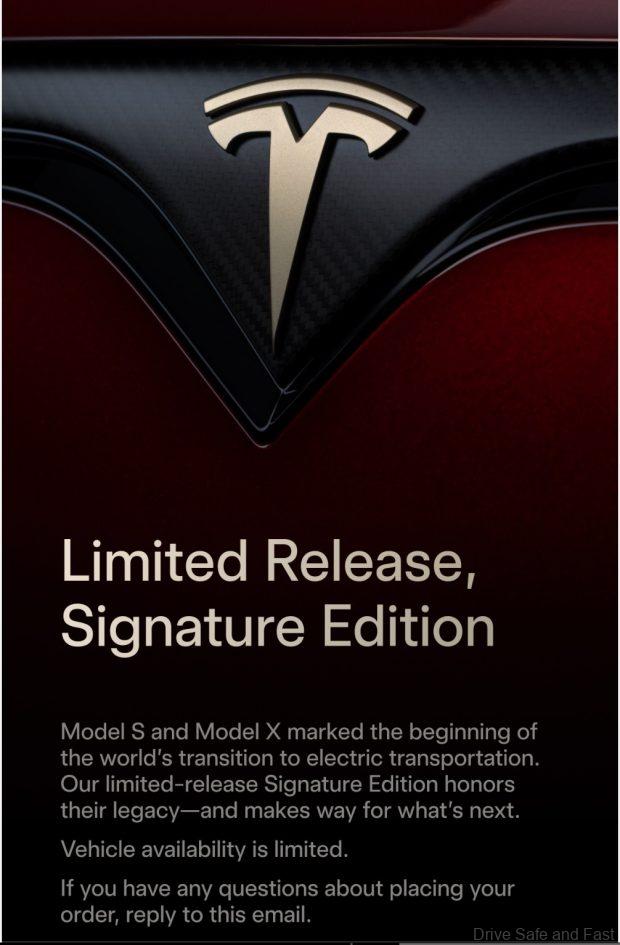
From a manufacturer’s perspective, these clauses are designed to stop scalping. When a vehicle is released in extremely limited quantities—like the 350-unit run of the final Signature Editions—demand far outstrips supply.
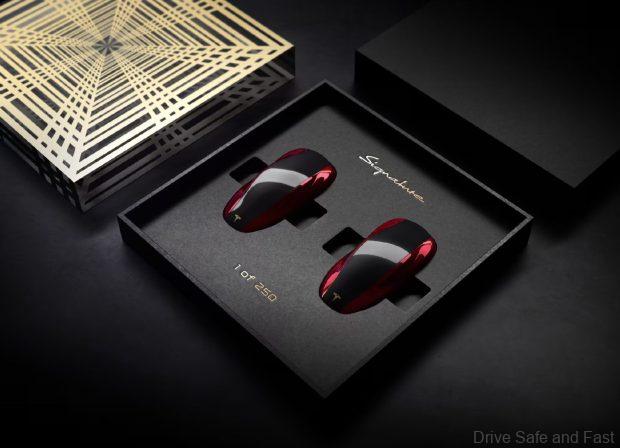
Without this clause, a buyer could take delivery on Monday and sell it for a $100,000 markup on Tuesday. By implementing this policy, Tesla ensures that the cars go to genuine enthusiasts rather than speculators looking for a quick profit. This is a tactic borrowed from the world of luxury supercars, where brands like Ferrari and Ford (with the GT) have used similar legal protections for decades.
The Criticism: Overstepping the Bounds of Ownership
While the intent might be to protect “real” fans, the backlash has been significant. Many critics argue that once a customer pays six figures for a vehicle, they should own it outright—including the right to sell it.
The most stinging criticism is that this policy turns a “purchase” into something more akin to a “long-term lease.” If you cannot sell an asset you purchased, do you truly own it? For a company that often champions “freedom” and “disruption,” this move feels uncharacteristically restrictive and corporate.
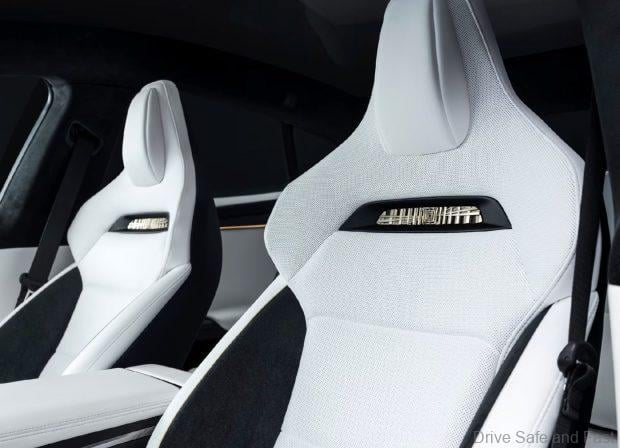
The math behind the buy-back policy has also been labeled as predatory. Deducting $0.25 per mile plus “reasonable wear and tear” and “mechanical standards” costs means that even a pristine car with 1,000 miles on it could see a massive drop in value the moment it leaves the lot. Tesla essentially gets to profit twice: once on the initial sale, and again by buying the car back below market value and reselling it as “Certified Pre-Owned.”
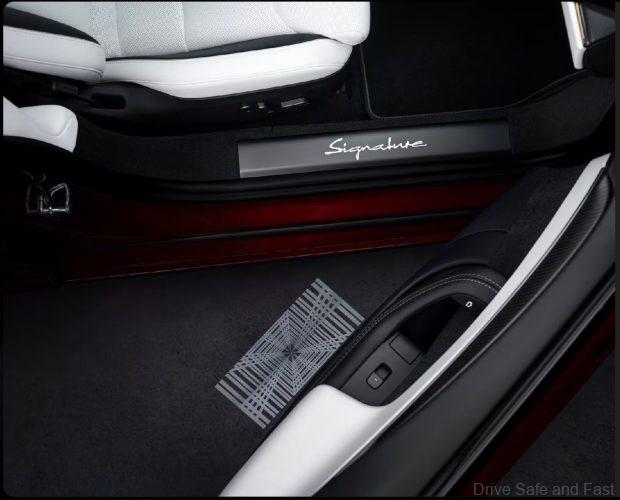
By threatening enthusiasts with $50,000 lawsuits and permanent blacklisting, Tesla risks alienating the very people who built the brand. The “Signature Edition” buyers are often long-time loyalists. To meet their loyalty with a legal threat feels, to many, like a slap in the face.

