


Xpeng has plans for Malaysia that fly in the face of reality, but their reckless optimism remains.
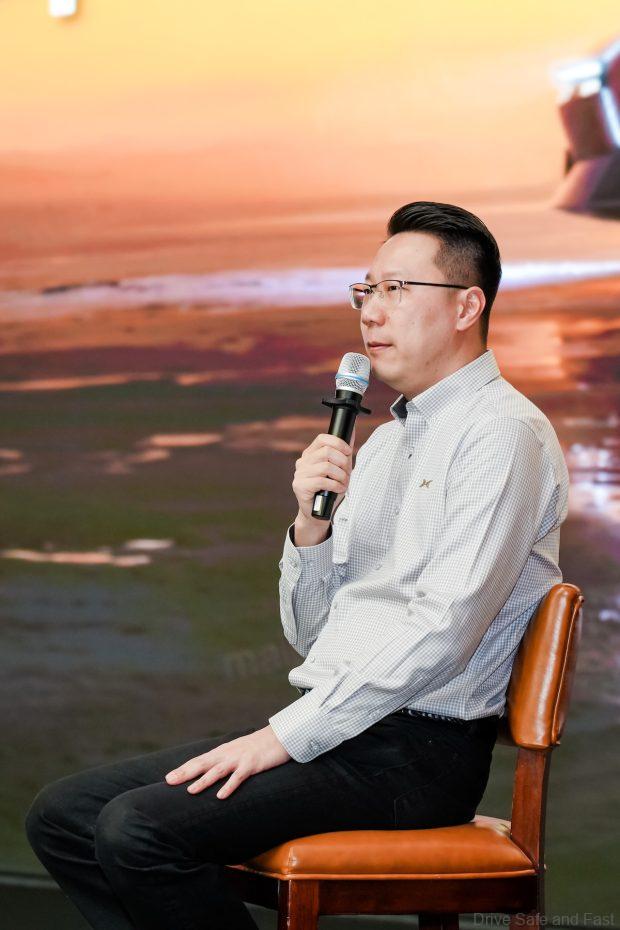
We’re in Guangzhou visiting the Xpeng Headquarters here on the eve of major changes to EV policies back home in Malaysia vis-à-vis imported EVs from China. During the course of our visit, we had the chance to talk to James Wu, Xpeng’s Vice President of Finance, to better understand this start-up’s plans for regional expansion.
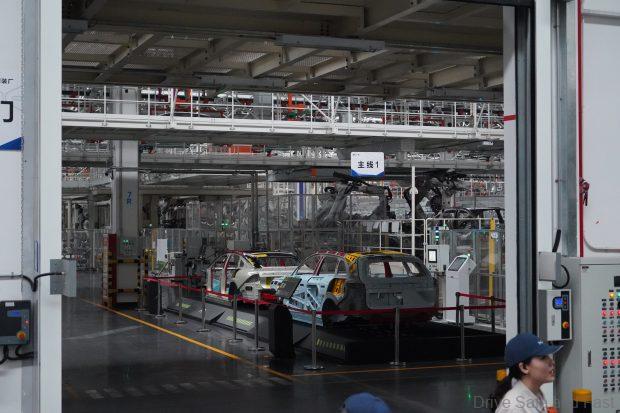
Expansion in South East Asia is a top agenda for Xpeng and you can see that in the investments they’ve already made. They’ve only got three plants assembling EVs outside of China. One’s in Austria, the other’s in Indonesia and the last one’s in Melaka, via a contract manufacturing deal with EPMB. Xpeng enjoyed around 2,000 excise duty and import tax free sales in Malaysia prior to 2026 but now new rules are forcing this relatively young company to meet the challenge of local assembly in each potential market and they’re finding the challenges tough.
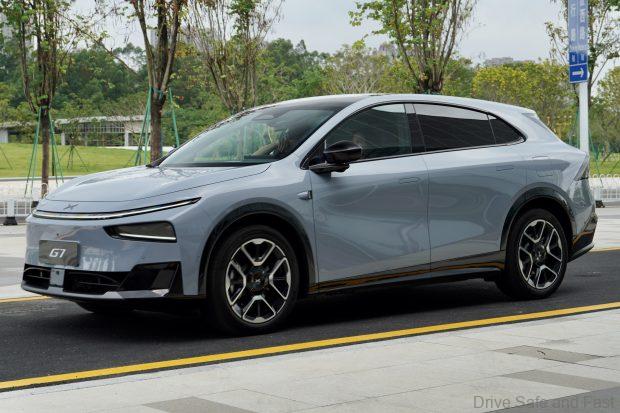
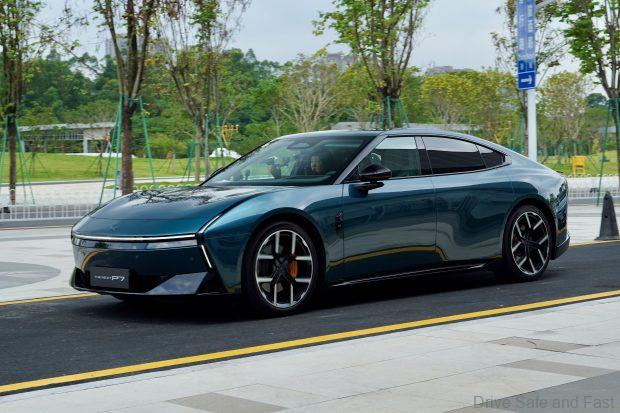
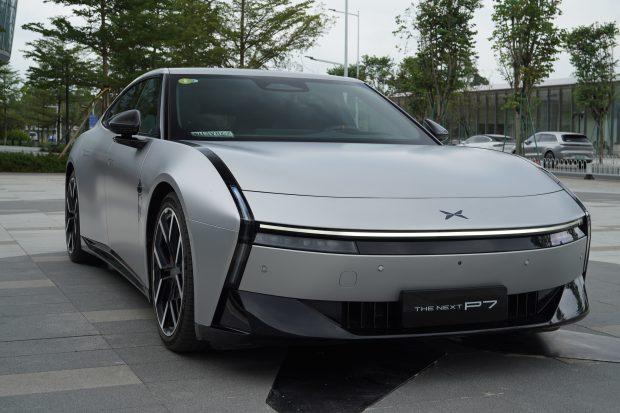
Mr. Wu says Xpeng has to rise to the challenge but we found his explanation for the predicament they face to be quite elegant. We think it applies to many other Chinese EV manufacturers too. Here’s how he illustrates the problem:
Historically, legacy ICE vehicle manufacturers from Europe, the USA, and Japan have had good reasons to commit to localization of parts in Southeast Asia. That’s because certain components were simply cheaper to make in Malaysia, Thailand or Indonesia versus back in their home countries. Plenty of plastic and rubber parts, wiring looms, and eventually even semiconductor packages were easy to source for a competitive price within Southeast Asia. Unskilled and semi-skilled labour for vehicle assembly is cheaper here too compared to Europe and Japan.
In the 2020s, Xpeng and plenty of its Chinese EV rivals face the opposite problem with EVs – there is no financial advantage to sourcing parts locally when performing CKD when the supply chain in China is so mature and able to deliver massive savings and quality at scale.
In fact, in many cases there are simply NO OEMs fit to even supply parts needed for today’s highly integrated electric vehicles. A majority of the production is automated, even in China with sophisticated robots sourced from ABB of Switzerland. While initial investment costs are high, the labour of a robot cost pennies and can deliver the highest and most consistent quality in assembly.
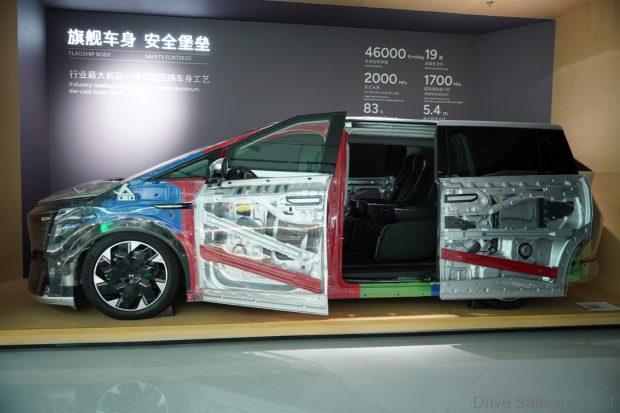
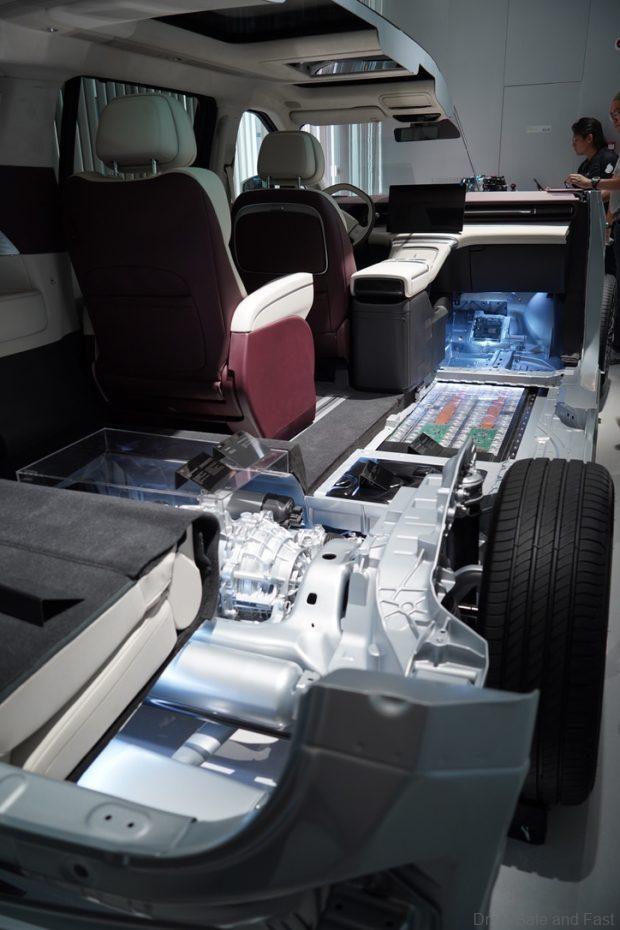
Back to the topic of parts sourcing; James Wu pointed out that there are virtually no suppliers in Malaysia and Indonesia for ADAS and battery components, which make up such a large and important part of the cost of making an Xpeng. Plus, many EVs just aren’t made from as many parts as ICE vehicles, making it tougher to hit a certain percentage of parts localisation required for competitive pricing and tax breaks. Modern Xpeng vehicles take the lead from Tesla in their construction – complex rear and front subframes are cast as a single piece (gigacasting) instead of being welded together from smaller cast pieces. This is part of what makes modern EVs safer in crash tests and also much cheaper to produce in high numbers.
So, should Xpeng and other Chinese electric vehicle competitors be forced to bring their entire supply chains into Malaysia in order to sell a relatively small number of EVs? Should Malaysia be content in contributing either the bare minimum (current SKD/CKD reality) or not at all (upcoming CBU reality) to the automotive revolution happening in Guangzhou? From What Mr. Wu indicates, Xpeng is committed to finding a solution to this complex problem and the company’s vision is one of optimism and one that is focused on the long term goal of bringing fully-autonomous driving to the masses EVERYWHERE.
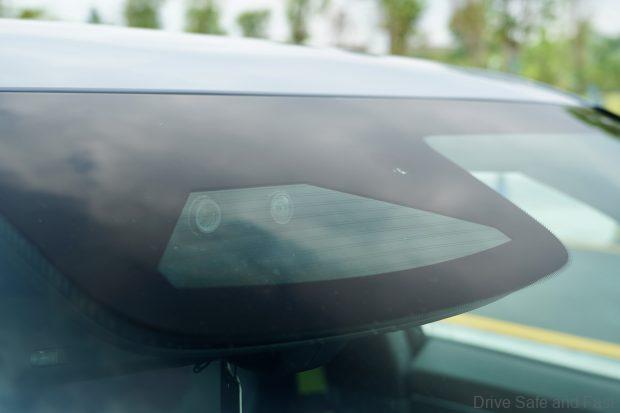
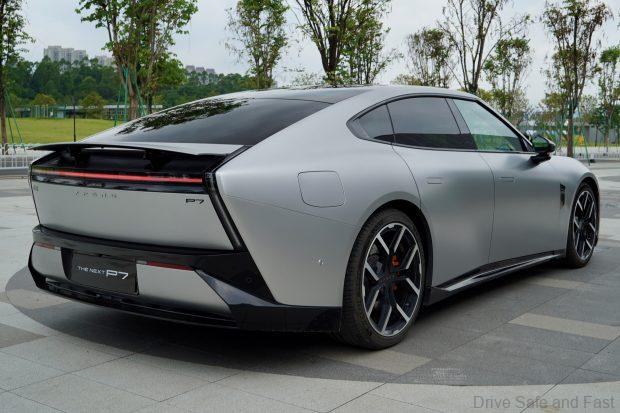
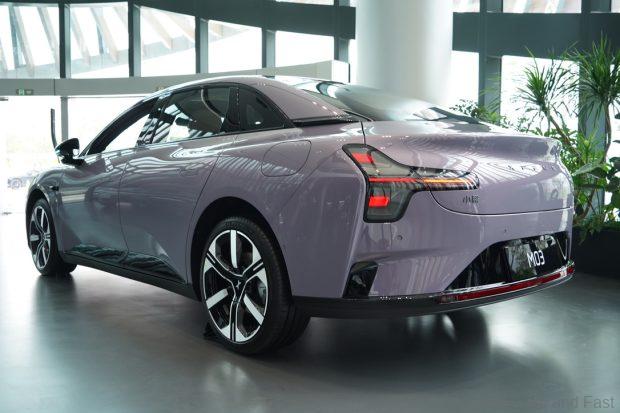
In under 2 years Xpeng hopes to introduce Malaysia to the brand’s proprietary full self-driving capabilities through XPeng’s VLA 2.0 (Vision-Language-Action) AI software update. From our understanding, this version of full self-driving doesn’t require local training data and can be deployed as soon as the cars are on the ground running. We experienced it ourselves on the busy streets of Guangzhou and were thoroughly impressed with the confidence with which the Xpeng P7 navigated traffic, double parked cars, and temporary roadworks. It’s not perfect, but it’s closer to perfect than you’d think – 50% of Xpeng customers in China use assisted self-driving every day.
Ultimately, I personally think that Xpeng’s vision for the future is far more optimistic than what most Malaysians can handle. We Malaysians seem to be programmed to be perpetually pessimistic based on the lack of progress most Malaysians experience on the road. As time goes by, traffic is always only getting worse, driving is only becoming more unsafe, the cost of fuel is only getting higher and road users are only becoming more entitled.
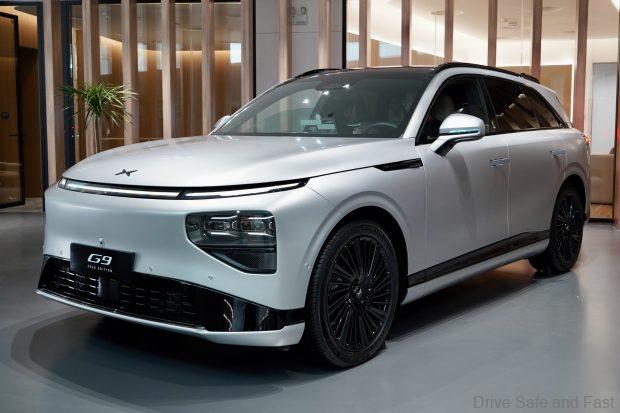
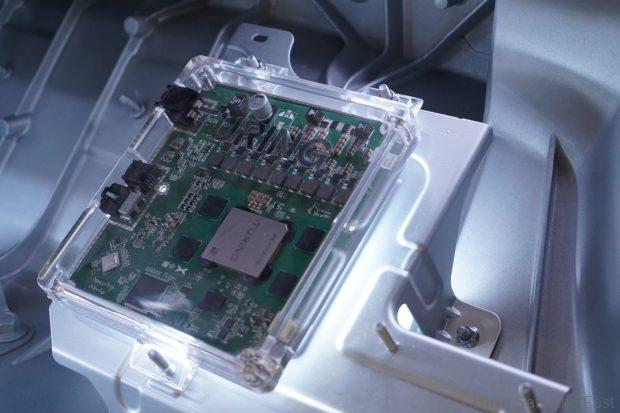
Xpeng presents a future where cars can navigate traffic no matter how bad it gets, in vehicles that are far safer than anything with four wheels made in the last century, capable of running off the solar cells on your roof if you’ve invested in that. There’s no solution to entitlement on the road and perhaps this is exactly the kind of EV that attracts entitled owners. Whatever the case, Xpeng’s a breath of fresh air amidst about a hundred other cookie cutter EV makers. They’ve designed their own chips and their own full stack solution to self driving that has already outdone Tesla’s Full Self Driving in some metrics. So perhaps it is time for Malaysians and the Malaysian government to really ask themselves what the future of our roads should look like, because the trajectory we’re currently on is already pretty bleak.

