

Chinese Plug-in Hybrid (PHEV) Brands Capture 34% of European Market, Accelerating Expansion Amid Potential Tariff Threats
According to a recent report from Dataforce, Chinese-branded vehicles accounted for 11% of total new car sales in Europe, capturing 15% of the battery electric vehicle (BEV) market and an impressive 34% of the plug-in hybrid electric vehicle (PHEV) segment (which was once dominated entirely by German automotive brands).
Across all hybrid models, including non-plug-in hybrids (HEVs) Chinese brands held nearly 25% market share. Data shows that Chinese automakers’ market penetration is roughly equal in the BEV and HEV segments.
Chinese automakers are accelerating their expansion in the European market, particularly in the PHEV segment. Analysts note this move aims to establish market presence and dealer networks ahead of potential additional EU tariffs on PHEVs, thereby mitigating future policy risks.
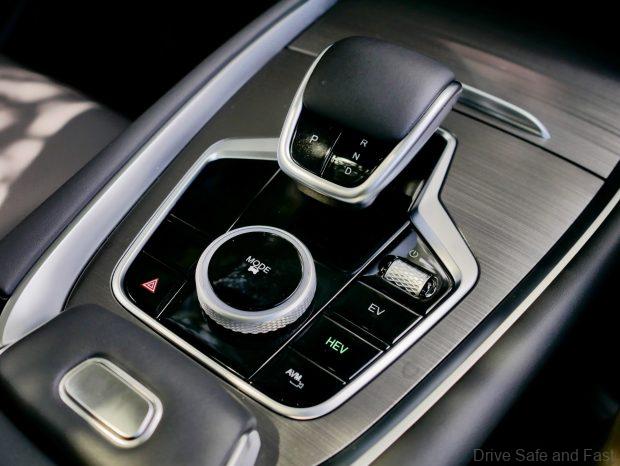
In the UK, Chery’s JAECOO 7 SUV topped the national new car sales chart in March (with 10,064 units sold in one month) which is just over a year after its launch and initial deliveries.
Dubbed by some media outlets as the “Temu version of Land Rover” due to its design and positioning, the model reflects growing acceptance among European consumers of Chinese hybrid vehicles, especially amid limited charging infrastructure and relatively high prices for pure electric cars.
Meanwhile, European automakers continue to lose ground in China as domestic brands intensify competition through technological advances and pricing advantages. German automotive and auto parts exports to China have declined by more than 25% year-on-year, highlighting mounting export pressures.
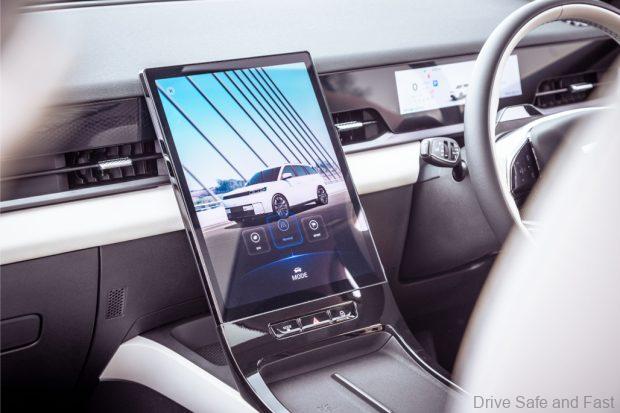
European automakers such as Volkswagen are struggling to counter the disruptive impact of rising Chinese competitors. On one hand, launching new models to attract customers in the European market has become increasingly difficult amid intensifying competition from Chinese automakers; on the other hand, in the Chinese market, European automakers are losing ground to domestic brands that offer cutting-edge technology and competitive pricing, resulting in continuous market share erosion.
Automotive exports from European countries such as Germany continue to face mounting pressure. According to data released recently by Germany’s Federal Statistical Office, exports of German automobiles and auto parts to China have slumped significantly, falling by more than a quarter year-on-year to €4.7 billion (approximately USD5.4 billion) in the first five months of this year.

