


India’s Tata Motors is going all-in on growth and has ambitious revenue targets with JLR being a key part of the strategy.
Tata Motors, the automotive powerhouse, has set a monumental goal: achieving $100 billion in automotive revenue by FY2031. This ambitious target represents a near-doubling of the company’s current business scale and signals a new era of aggressive expansion across its diverse portfolio, including passenger vehicles, commercial vehicles, Jaguar Land Rover (JLR), and its component businesses.
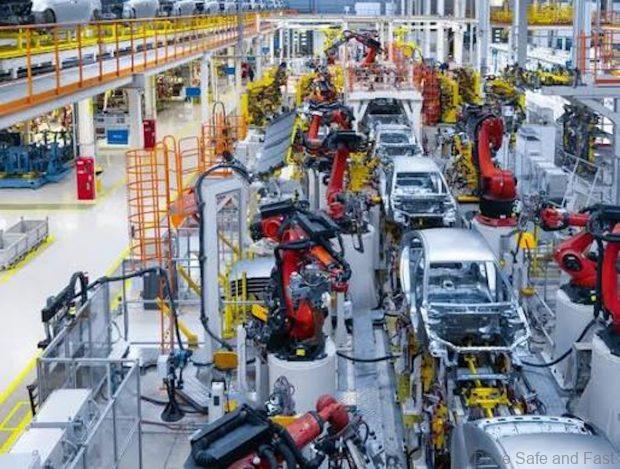
To hit this massive milestone, leadership has outlined significant capital allocation to drive innovation and production capacity.
- Domestic Focus: Chairman N. Chandrasekaran has announced a massive ₹40,000 crore investment into domestic automotive operations over the next five years.
- Global Innovation: JLR, a cornerstone of the Tata group’s luxury segment, is slated to receive a £20 billion investment to fuel development in new products and cutting-edge automotive technologies.
Product Expansion and Market Dominance
The strategy is clearly centered on volume and electrification. Tata Motors aims to cement its position in the competitive automotive market through several key initiatives:
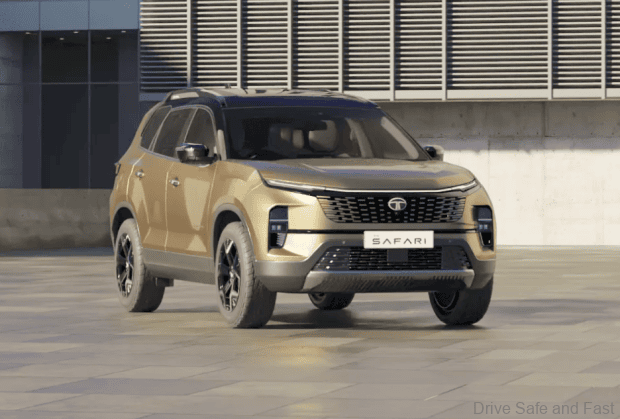
- Portfolio Growth: Expanding the passenger vehicle portfolio to an impressive 25 models to cater to diverse customer segments.
- Electric Vehicle (EV) Push: A strong commitment to sustainability is highlighted by the plan to launch four new electric SUVs.
- Capacity and Sales Targets: By the end of the decade, the company plans to scale annual production capacity to 1.3 million units, with a concrete target of achieving over 1.2 million passenger vehicle sales and a 20 percent market share.
Structural Transformation: The Power of Demerger
A crucial enabler of this roadmap is the recently completed demerger of Tata Motors’ passenger and commercial vehicle businesses. This strategic move is designed to provide each division with the autonomy required to pursue highly specialized growth strategies, allowing for faster decision-making and more focused operational execution. A similar move was performed by Mercedes-Benz in 2021 when its passenger car and commercial vehicle entities were split up.
As Tata Motors pursues this $100 billion vision, it highlights a broader industry trend toward heavy investment in EV platforms and platform modularity. With the separation of its commercial and passenger businesses, Tata is better positioned to compete with global incumbents, leveraging the strength of the Jaguar Land Rover brand while simultaneously growing its mass-market EV footprint in India.Investors and industry observers will be watching closely to see how the ₹40,000 crore domestic investment and the £20 billion JLR injection translate into market share in the coming years. If successful, this plan could redefine Tata Motors’ standing as a top-tier global automotive player.

