

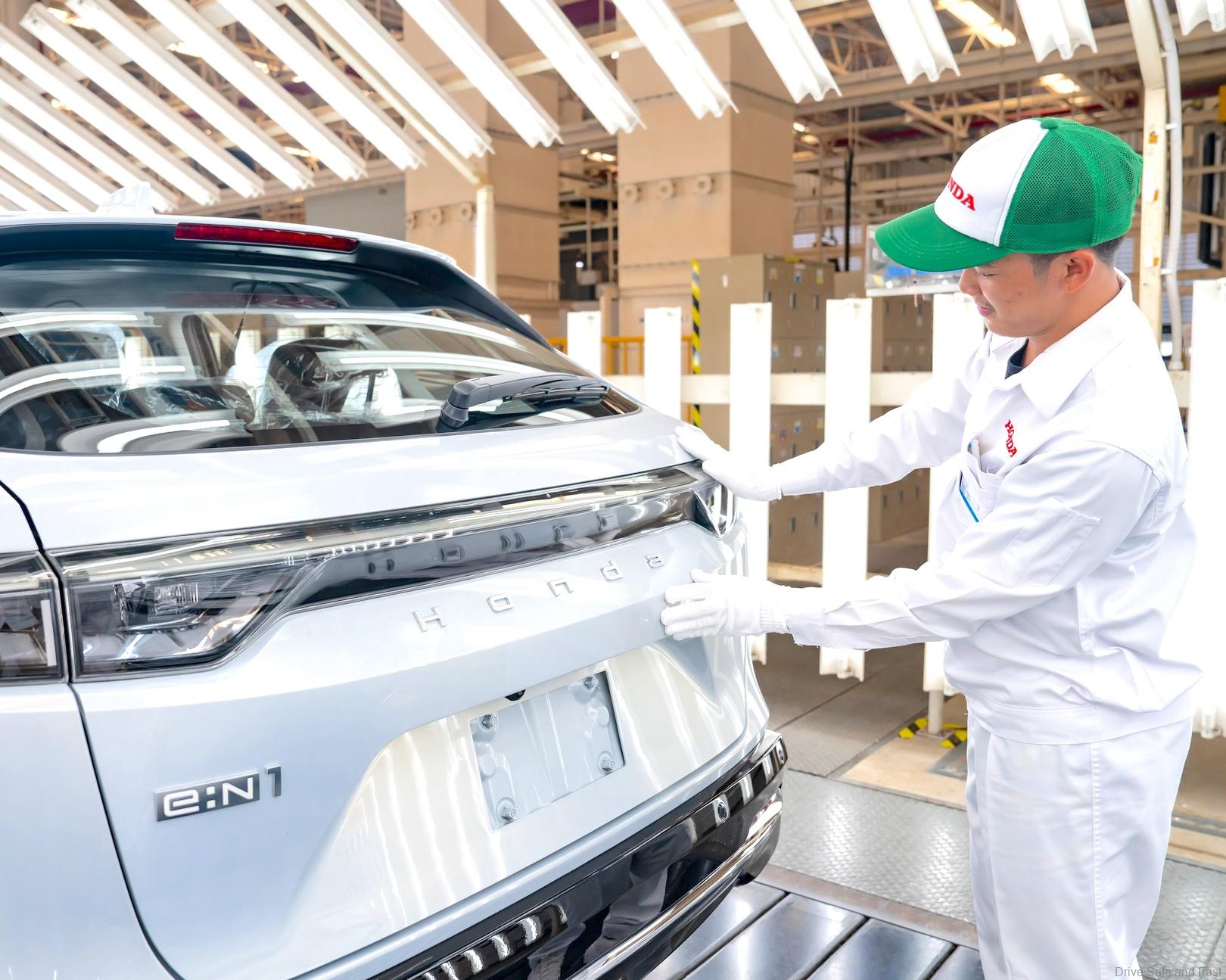
Honda Thailand wants the government there to change their policy around cars imported from Japan.
During the recent launch of the Honda Super-ONE EV in Thailand, Honda Automobile (Thailand) President and CEO Koji Iwanami issued a clear policy appeal to the Thai government. Speaking on behalf of the brand and aligning with five other Japanese automakers via the Japanese Chamber of Commerce, Bangkok (JCC), Honda called for a review of vehicle import duties and a recalibration of upcoming excise tax timelines on hybrid electric vehicles (HEVs).
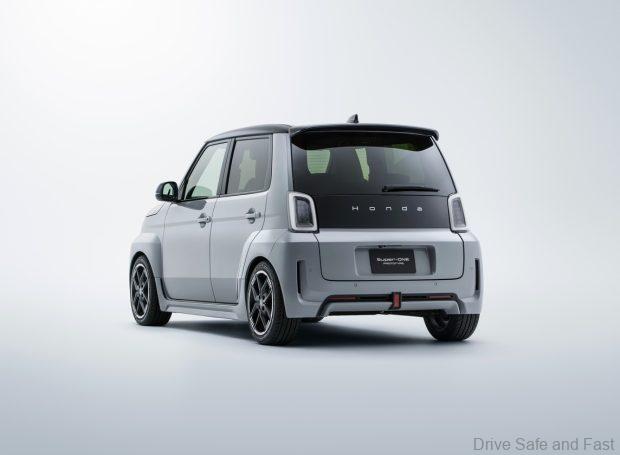
The plea highlights the mounting pressure legacy Japanese carmakers face across Southeast Asia as heavily subsidized battery electric vehicles (BEVs) and range-extended electric vehicles (REEVs)—primarily from China—benefit from bilateral zero-tariff policies under free trade frameworks.
The Core Issues: Import Tariffs, Hybrid Taxes, and Plant Constraints
Honda’s position centers on several operational bottlenecks and tax disparities in Thailand:
- Disparity in Import Tariffs: Completely Built-Up (CBU) vehicles imported from Japan, Europe, and the United States face import duties of up to 80%, whereas electric models imported from China enter at a 0% duty rate under the ASEAN-China Free Trade Agreement. Honda argues this disparity creates an uneven playing field for consumer choice.
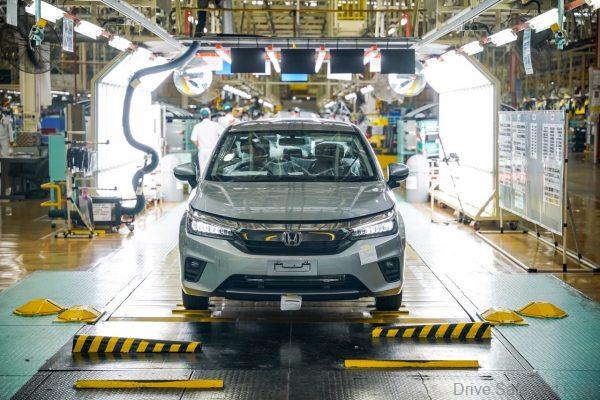
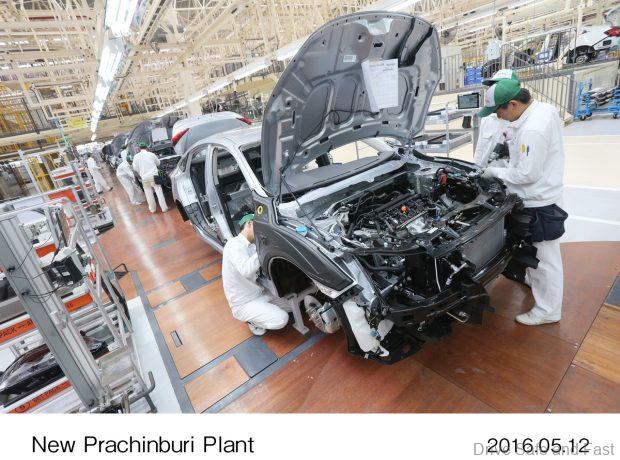
- Domestic Assembly Capacity Limits: Honda’s Prachin Buri assembly plant operates near its maximum ceiling of 110,000 units annually across six core models (City sedan/hatchback, Civic, Accord, HR-V, and CR-V). To offer popular Japanese domestic models like the Freed, Jazz, or Step WGN without compromising export commitments to over 70 countries, Honda must rely on CBU imports.
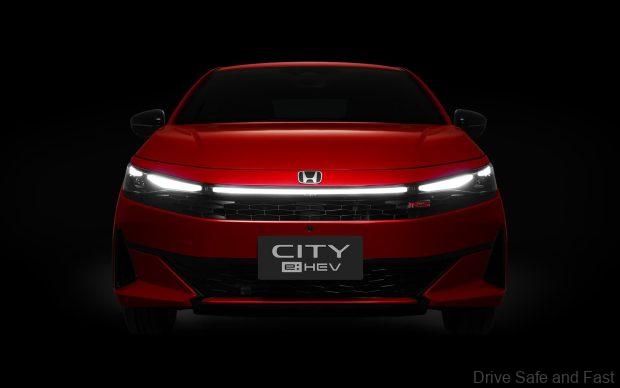
- Hybrid Excise Tax Timelines: The Thai government is mandating increased domestic parts localization for hybrid vehicles in exchange for excise tax incentives. Honda warns that if implemented immediately, four of its core hybrid models cannot adapt within their predetermined product cycles, triggering tax jumps from 6% to 8% and 10%, ultimately raising retail prices for debt-burdened consumers.
- Long-Term Local Commitment: Despite these hurdles, Honda is preparing to invest over THB 12 billion (US$ 363 million) to transform Prachin Buri into a Smart Factory, aiming to expand capacity to 150,000 units and add two new models by 2029 (including the Avancier and a new B-segment offering).
Arguments Supporting Honda’s Position
Advocates for Honda and the Japanese Chamber of Commerce highlight practical market considerations:
- Protecting the Established Supply Chain: Japanese automakers established Thailand’s automotive industrial base over five decades. Forcing an abrupt transition to pure electric powertrains before local tier-1 and tier-2 parts suppliers can adapt risks broad manufacturing disruptions and job losses.
- Real-World Consumer Affordability: Hybrid vehicles offer immediate, practical emissions reductions without requiring massive private investment in home chargers or relying on overloaded public grids. Punishing hybrids with higher excise taxes during a period of high household debt directly increases mobility costs for working families.
- True Lifecycle Environmental Accountability: While pure EVs produce zero tailpipe emissions, Thailand still lacks a scaled industrial ecosystem for recycling degraded lithium battery packs. Honda’s closed-loop process for reclaiming hybrid battery modules ensures verifiable end-of-life handling.
- Consumer Choice and Factory Flexibility: Lowering CBU tariffs from traditional trading partners allows automakers to test market demand for niche vehicles (such as compact MPVs) without spending hundreds of millions of ringgit/baht tooling local assembly lines prematurely.
Arguments Against Honda’s Position
Critics and proponents of rapid electric transformation present contrasting counterarguments:
- Diluting Incentives for Local Investment: The primary purpose of high CBU import duties is to force global automakers to invest capital, build local factories, and hire domestic engineers. Lowering import duties on Japanese-built cars could encourage brands to import finished vehicles rather than expanding local production lines.
- Delaying the Inevitable EV Transition: Extending generous tax concessions to conventional hybrids risks slowing down the adoption of zero-emission battery electric vehicles, potentially causing Southeast Asian manufacturing hubs to fall behind global electrification benchmarks.
- Incentivizing Faster Component Localization: Governments use escalating tax tiers specifically to pressure multinational automakers into transferring advanced hybrid and EV component manufacturing (such as battery cells and power control units) to local supply chains rather than importing major sub-assemblies.
- Commercial Strategy Accountability: The production ceiling at Honda’s Prachin Buri plant is partly the result of strategic decisions, including the consolidation of vehicle assembly away from its Ayutthaya facility in 2024. Competitors argue that factory allocation constraints should be resolved internally through factory upgrades rather than tariff relief.
Strategic Outlook for Southeast Asian Automotive Hubs
The policy debate in Thailand reflects broader dynamics across the ASEAN automotive corridor, including Malaysia and Indonesia. As regional governments balance foreign direct investment (FDI) from incoming EV makers against the legacy investments of Japanese brands, policymakers face a difficult balancing act: accelerating green mobility adoption while safeguarding local automotive manufacturing ecosystems.

