

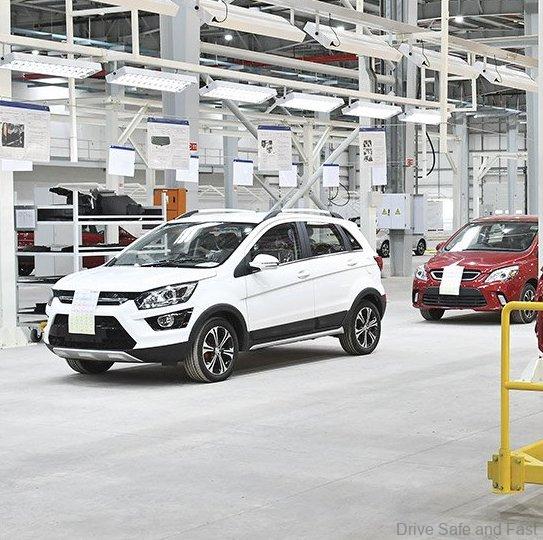
This move by MITI is to push current SKD operations to CKD or just be fully imported
Let us explain further for many of you who might not understand what is screwdriver assembly or SKD.
SKD (Semi-Knocked Down) or screwdriver assembly is a manufacturing and shipping process where a product is partially built in its home country (mostly European brands), broken down into major pre-assembled modules and then shipped to another country for final assembly. The body parts come fully painted and the vehicle in SKD form might still be moving on its factory wheels. This process saves the automotive brand lot of money and they deliver a supposed higher quality car as auto brands have higher standard of paint finish and assembly at the home factories.
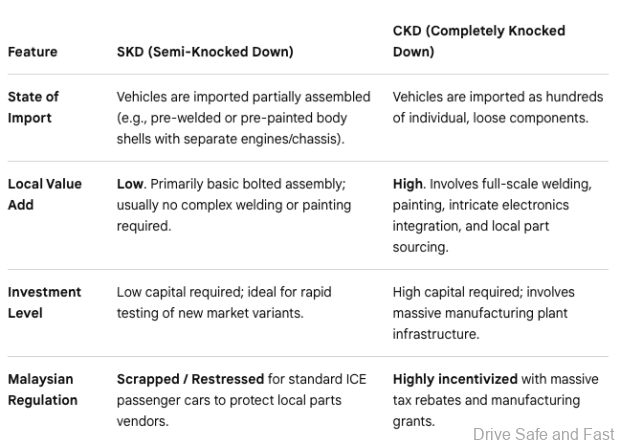
Unlike CKD (Completely Knocked Down) assembly which requires building a product from hundreds of individual loose parts and complex welding or painting and SKD requires basic tools, less specialized labor, and a simpler local facility.
Mandatory High-Value Supply Chain Integration
MITI is moving past “screwdriver assembly” where foreign automakers ship pre-assembled vehicle kits (semi-knocked down) to bypass taxes without transferring technology.
Through these measures, MITI ensures Chinese automotive investment directly develops local tier-1 and tier-2 vendor supply chains, up-skills local engineers and generates long-term tax revenue for the Malaysian goverment.
Mitigating Trade Deficits & Industrial Overcapacity
China’s domestic auto market currently experiences significant production overcapacity, driving Chinese OEM strategies toward aggressive global exports.
Without regulatory intervention, a flood of cheap CBU imports risks widening Malaysia’s automotive trade deficit. By demanding local capital expenditure (CapEx) in factories, stamping plants, and local battery-pack assembly, MITI balances foreign trade flows with tangible foreign direct investment (FDI) inside the country.
Strategic Realignment, Not Structural Ban
MITI is not banning Chinese automakers from Malaysia. In fact, Malaysia remains eager to attract Chinese EV technology and battery expertise. MITI is redefining the rules of engagement. By dismantling cheap CBU import paths and raising the baseline requirements, Malaysia ensures that any Chinese automotive brand selling within its borders contributes directly to local manufacturing, vendor ecosystems, and industrial development.
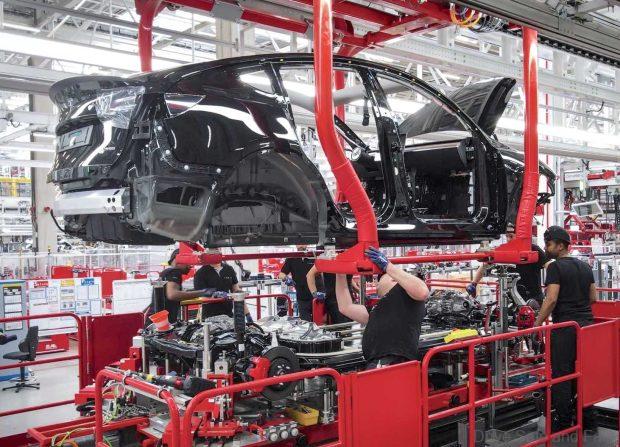
However, we still have a couple of Automotive giants that are trying to work around this move by MITI. Tesla is the biggest brand that is working to avoid (since August 2024) any form of local assembly as bringing their vehicles from their China factory gives them high profit margins and very little Malaysian advantage.

